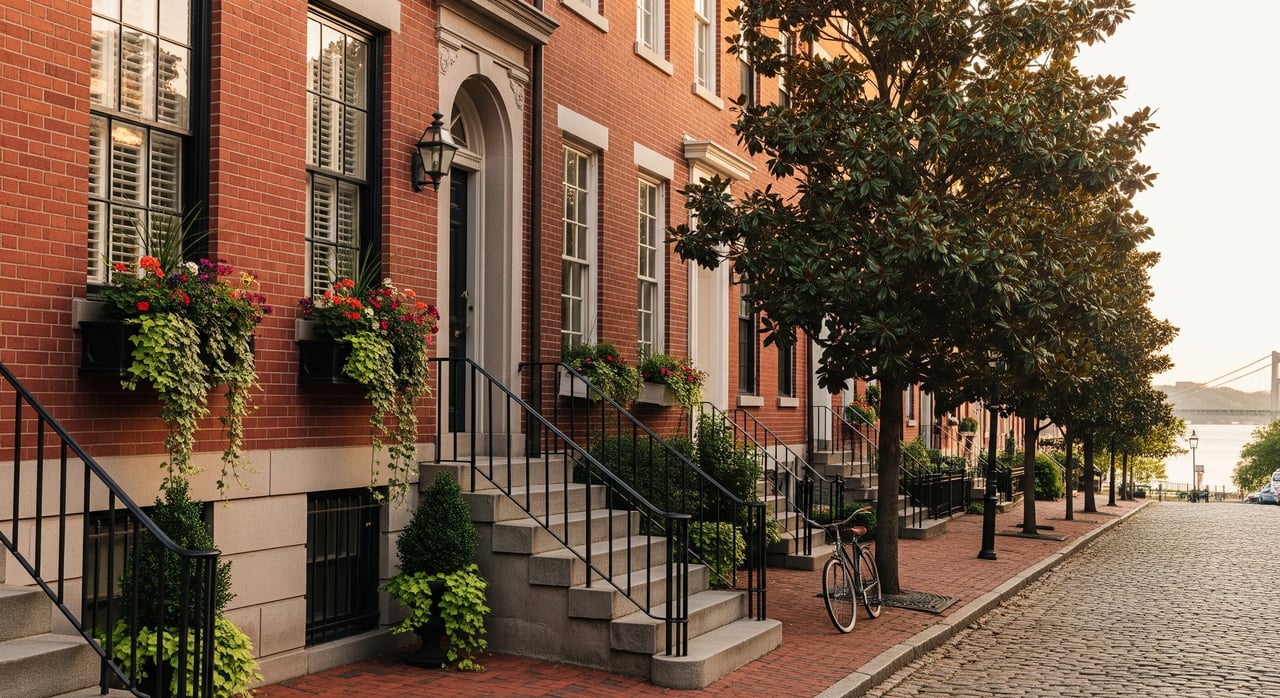
Thinking about making Georgetown your home? Maybe you picture cobblestone streets, waterfront sunsets, and quick coffee stops on Wisconsin Avenue, but you also want the real details on transit, errands, and renovations. This guide gives you a clear view of everyday life, from how you get around to where locals eat, shop, and recharge outdoors. You will also learn what to expect from preservation rules and how Georgetown compares with nearby areas. Let’s dive in.
Georgetown’s character in daily life
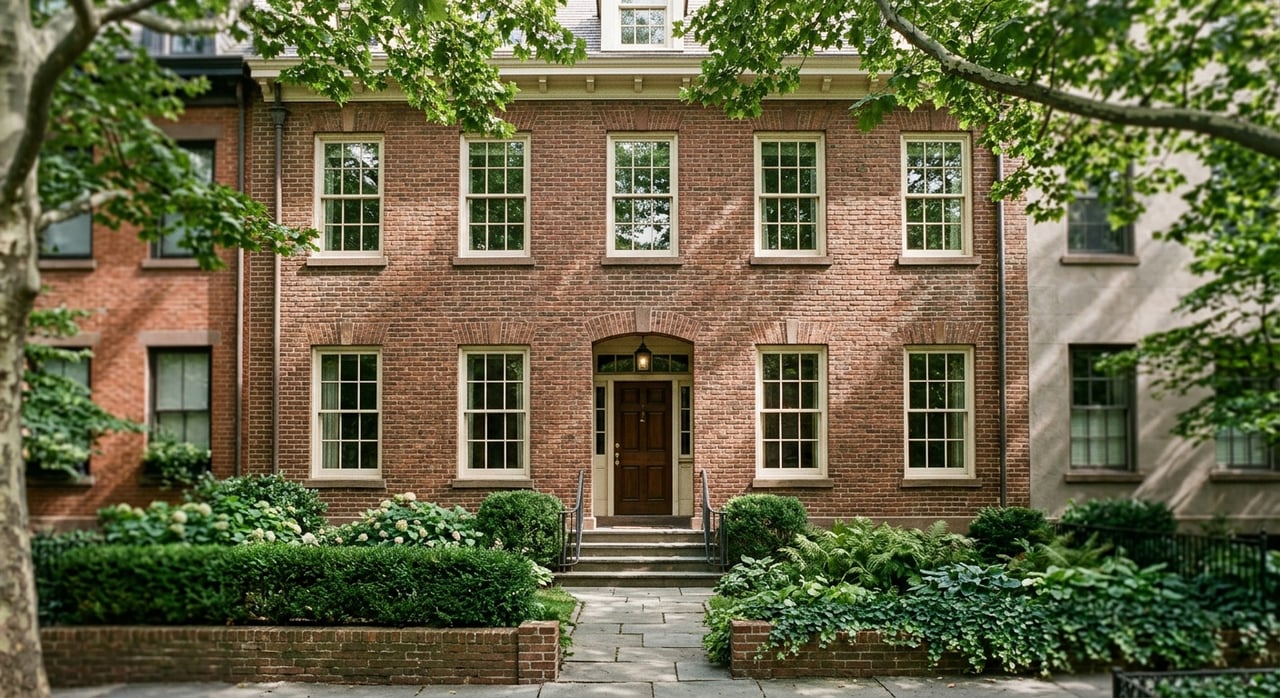
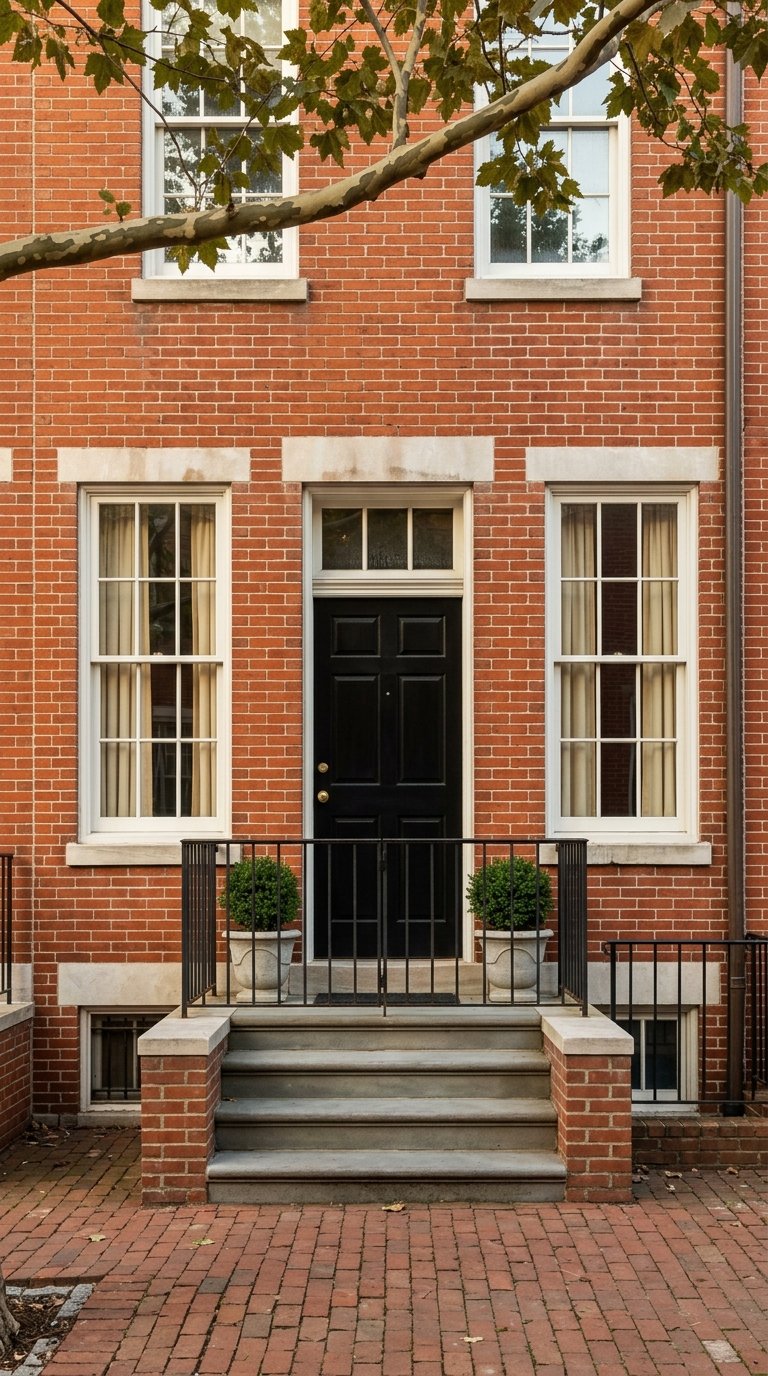
Georgetown is one of Washington’s most historic neighborhoods, and much of it sits within a protected historic district. Brick rowhouses, narrow streets, and a human-scale feel define daily life. Commercial activity centers on M Street and Wisconsin Avenue, while the Potomac waterfront and the C&O Canal frame the neighborhood with open space and views.
You will see a mix of long-term residents, professionals, university students, and visitors. The result is an active but comfortable rhythm. Walkability is a major advantage. Most daily needs sit within a short stroll, and the area’s scale makes it easy to explore side streets and pocket parks. For a current snapshot of retail, dining, and events, the neighborhood’s Business Improvement District overview is a helpful resource.
Getting around without a Metro station
Georgetown does not have an in-neighborhood Metrorail stop. The closest stations are Foggy Bottom–GWU, Dupont Circle, and Rosslyn across the river. Many residents reach them by bus, the DC Circulator, bike, or rideshare. For routes and real-time updates, check WMATA for Metro and Metrobus and the DC Circulator.
Walking and biking are part of the culture here. The C&O Canal towpath and the waterfront trails are popular for commuting and recreation. If you prefer casual bike trips, Capital Bikeshare docks make short rides simple. You can see station locations and availability on Capital Bikeshare.
Driving is possible but not always the fastest choice. On-street parking is limited, and meters or residential permit rules often apply. Expect heavier congestion near the commercial corridors during peak hours and on busy weekends. If you plan to keep a car, review current rules and Residential Permit Parking details with DDOT.
Home styles and living experience
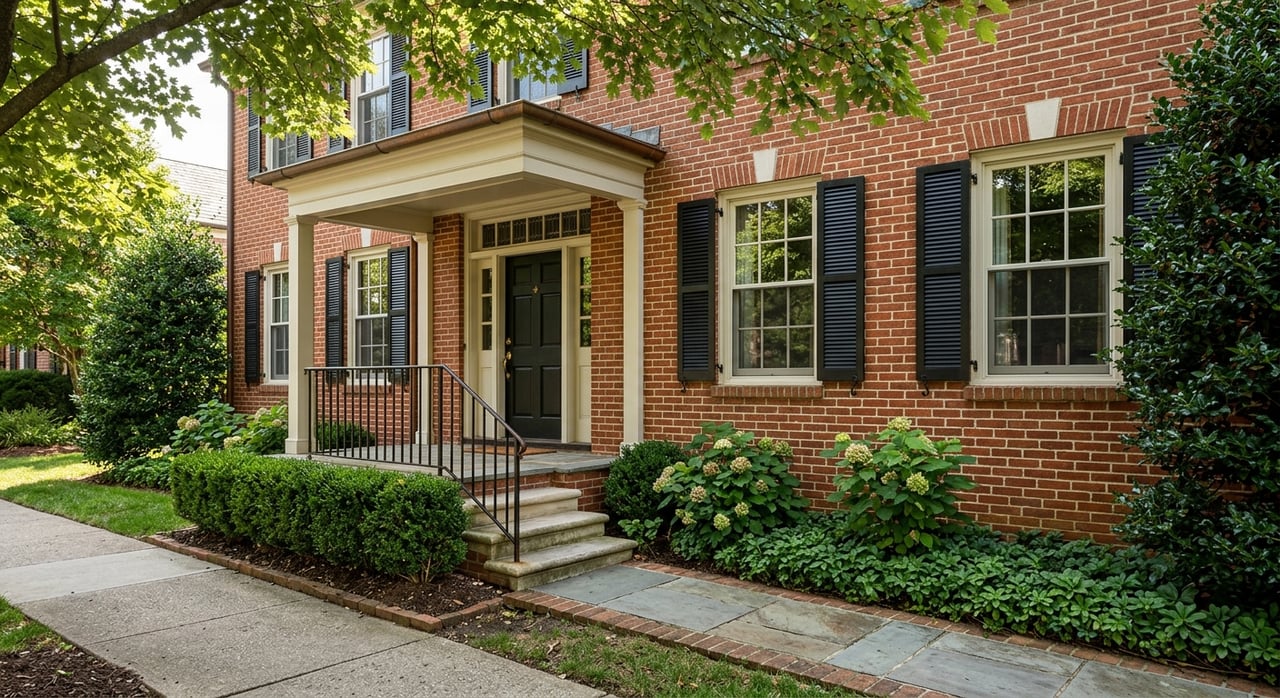
Housing in Georgetown leans historic. You will find attached rowhouses and townhomes with period details, plus a few mid-20th-century apartments and newer condos. Many homes have modest footprints, and off-street parking is less common in the historic core.
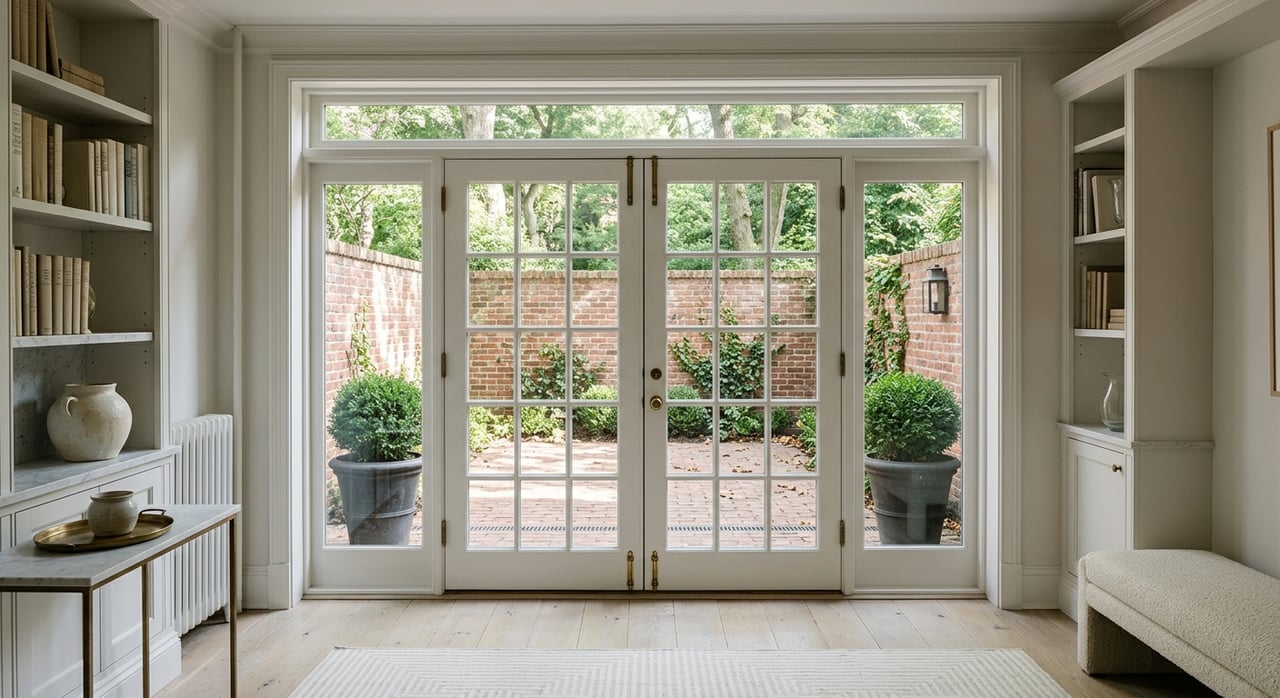
Inside, older homes often feature narrow staircases and sometimes lower ceilings in select rooms. Outdoor space may range from a small garden to a terrace or roof deck, but large private yards are less typical near the commercial center. Georgetown is one of the city’s higher-cost areas, and buyers often evaluate tradeoffs among space, parking, and location.
Shopping and daily errands
You can handle most day-to-day needs close to home. M Street and Wisconsin Avenue offer a mix of boutiques, national retailers, pharmacies, banks, and specialty shops. Grocery stores tend to be compact compared with suburban formats. Many residents combine local shopping with delivery services or occasional trips beyond the neighborhood for bulk purchases. For current merchant listings and openings, see the Georgetown BID’s restaurant and retail pages.
Dining, cafes, and evenings
Dining ranges from casual cafes and bakeries to long-running taverns and polished waterfront spots. Morning traffic often brings students and remote workers to neighborhood coffee shops. Evenings are lively along the waterfront and main corridors, especially in warmer months. Late-night activity is lighter than areas like Dupont Circle due to the neighborhood’s residential character and university presence.
Outdoors and the waterfront
The outdoors is part of the daily routine for many Georgetown residents. The C&O Canal towpath offers a scenic route for walks, runs, and bike rides. Along the river, Georgetown Waterfront Park provides green space and access to water activities like kayaking and paddleboarding. To learn more about the canal’s history and routes, visit the National Park Service page for the C&O Canal.
On weekends, the waterfront draws both locals and visitors. Trail connections link to larger regional routes, so you can head farther afield for longer runs or rides. Active recreation is easy to make part of your day here, whether you prefer a quick sunrise jog or a leisurely evening stroll by the river.
Culture, schools, and healthcare
Georgetown blends historic sites, cultural institutions, and a major university presence. Landmarks include Dumbarton Oaks, Tudor Place, the Old Stone House, and the historic waterfront area. Georgetown University anchors academic and cultural life, with events and programs that add to the neighborhood’s calendar. For institutional details and updates, see Georgetown University.
Public schools belong to DC Public Schools, and local families often explore a range of public, magnet, and private options. Healthcare access is strong due to MedStar Georgetown University Hospital, an academic medical center that serves the area. Learn more about services and programs at MedStar Georgetown University Hospital.
Practical realities to plan for
Historic preservation and renovation
Most properties in the Georgetown Historic District are subject to oversight for exterior changes. This review typically involves the District’s Historic Preservation Office and the Historic Preservation Review Board. Plan for longer timelines and potential specialty materials when renovating. For current guidelines and processes, visit the DC Office of Planning’s Historic Preservation resources.
Parking and deliveries
Parking is a common tradeoff. Many homes do not include dedicated off-street spaces, and street parking is regulated. Residents often rely on walking, biking, rideshare, or permits and garage options where available. Check the latest rules and permit information on DDOT’s site, and think ahead about package delivery logistics.
Tourism and seasonality
Georgetown is a destination for its history and waterfront, so you will notice more visitors on weekends and during spring and summer. Expect busier sidewalks, fuller restaurants, and more activity near M Street and the waterfront. Winter tends to be calmer, which many residents appreciate.
Commutes and job access
Commutes vary based on your destination. Many professionals work in downtown DC or at institutions nearby. Without a local Metro station, you may rely on a bus plus Metro connection, a bike plus Metro approach, or direct driving. Cycling is common for those comfortable in an urban setting, and secure bike storage is often a valued feature in rentals and condos.
If your work centers on Georgetown University or the surrounding medical and academic facilities, commutes can be very short. If you regularly head to the federal core east of Georgetown, factor in time for the bus or a short walk to Metro.
How it compares nearby
- Foggy Bottom. Closer to Metrorail and more institutional buildings due to George Washington University and nearby offices. Streets feel larger in scale.
- Dupont Circle. A wider mix of apartments, co-ops, and restaurants, with a more active late-night scene.
- Glover Park. A quieter, more residential feel with a compact commercial strip and somewhat easier parking in parts of the area.
- Arlington across the river. Offers stronger Metro connectivity centered on Rosslyn and the Clarendon corridor, plus a wider span of housing types. Georgetown remains unique for its historic identity, architectural charm, and waterfront setting.
Is Georgetown a sound long-term choice?
Georgetown’s appeal is durable. Demand is supported by its historic housing stock, central location, and access to the water and trails. Value tends to reflect condition and usability, especially the quality of layouts, the presence of outdoor space, and parking. For older homes, inspections often surface typical historic-asset items like electrical, plumbing, and structural considerations, which buyers plan for in advance.
If you are thinking about stewardship and resale, align your renovation strategy with preservation standards and market preferences. The right updates can improve day-to-day living while respecting the property’s character.
Considering a move?
If Georgetown fits your lifestyle, thoughtful guidance can make the process smooth. From understanding preservation nuances to weighing space and parking tradeoffs, you benefit from a team that knows these blocks well and can surface both listed and private opportunities. For discreet advice on buying or selling in Georgetown, request a private consultation with the Nancy Taylor Bubes Team.
FAQs
How walkable is Georgetown for daily errands?
- Most daily needs are within a short walk along M Street and Wisconsin Avenue, and the neighborhood core is highly walkable.
How do Georgetown residents usually reach Metro?
- Residents commonly use Metrobus, the DC Circulator, biking, or a short walk to nearby stations like Foggy Bottom–GWU or Dupont Circle.
Where do people run, bike, or get outside in Georgetown?
- The C&O Canal towpath and Georgetown Waterfront Park are top choices, with trail connections for longer runs and rides.
What should I know about historic renovations in Georgetown?
- Exterior changes often require review, which can extend timelines and affect materials; check DC’s Historic Preservation resources before planning work.
What is parking like for Georgetown homes?
- Off-street parking is less common, and street parking is regulated, so many residents rely on permits, garages, or alternative transportation.
How busy does Georgetown get on weekends?
- Warmer months bring more visitors to the waterfront and commercial corridors, while winter is usually quieter.
How does Georgetown compare with Arlington for commuting?
- Arlington benefits from strong Metro access around Rosslyn and Clarendon, while Georgetown offers historic character and waterfront living without an in-neighborhood station.