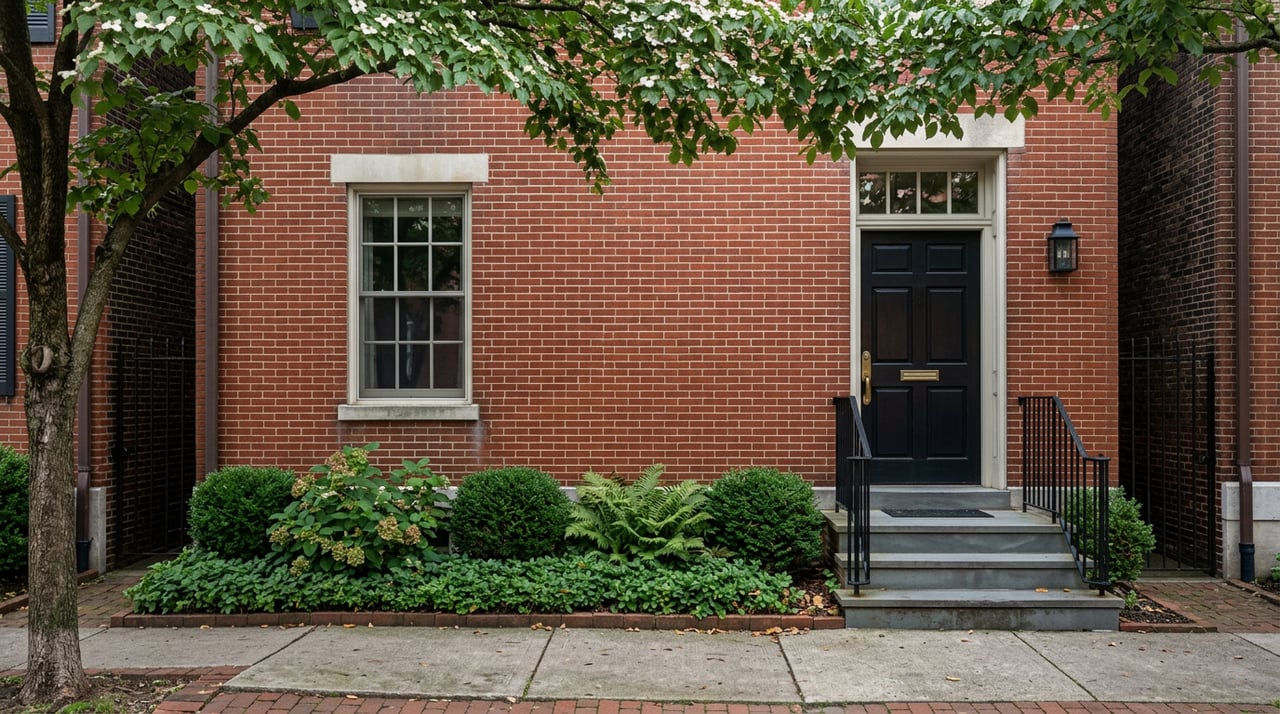
Looking for a quiet, park‑lined corner of Washington that still keeps you connected to the city? If you value tree canopy, larger lots, and a calm residential feel, Wesley Heights may be on your shortlist. In this guide, you’ll get a clear snapshot of the neighborhood’s setting, housing styles, pricing dynamics, daily conveniences, and trade‑offs so you can decide if it matches your goals. Let’s dive in.
Wesley Heights at a glance
Wesley Heights is a small, primarily residential neighborhood in Northwest D.C. known for its leafy streets and low‑key pace. Many describe it as peaceful and dignified, with an enclave feel that favors green space over nightlife or busy retail corridors. That character traces to its early 20th‑century development as a planned, park‑oriented community with coordinated streets and generous setbacks, a history reflected in today’s larger lots and cohesive streetscapes (Washington Post profile).
Boundaries are informal, but multiple sources place Wesley Heights roughly between Nebraska Avenue on the north, Massachusetts Avenue on the east, Battery Kemble Park on the west, and parkland toward the south. American University sits along the neighborhood’s northern edge. The scale is intimate, with reports noting just a few hundred homes and a deliberately low‑density layout, which helps preserve the quiet feel (historic neighborhood overview).
Housing and architecture
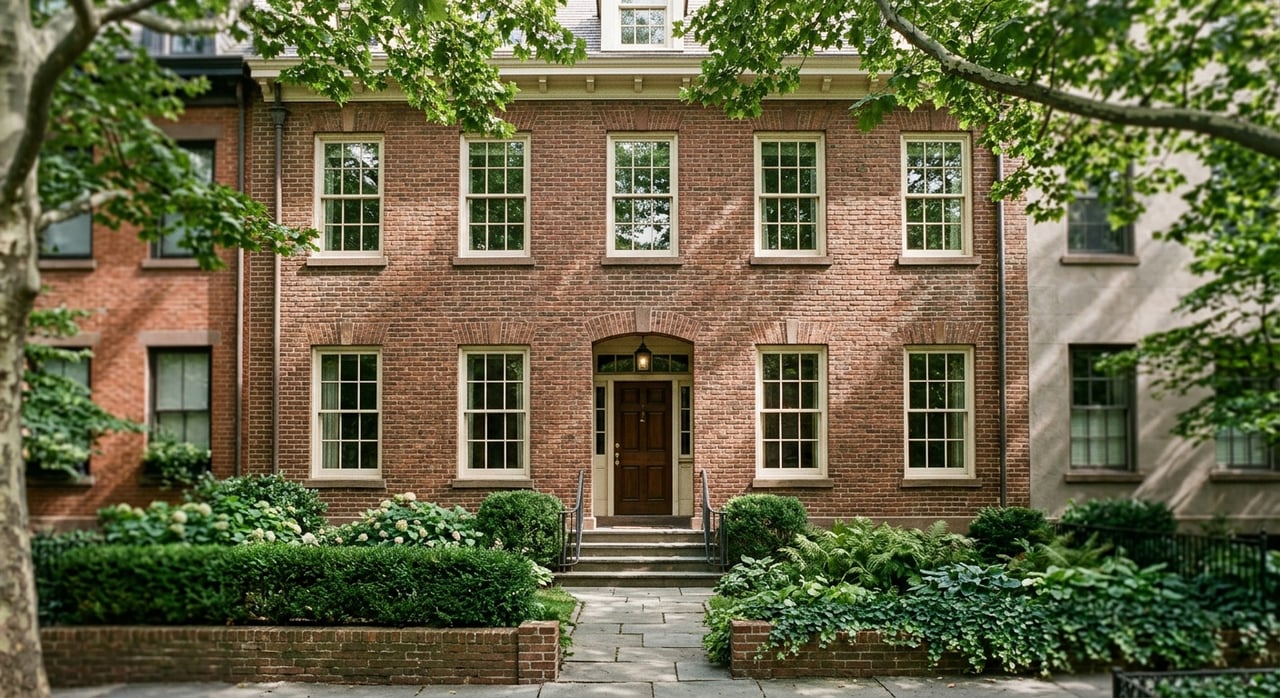
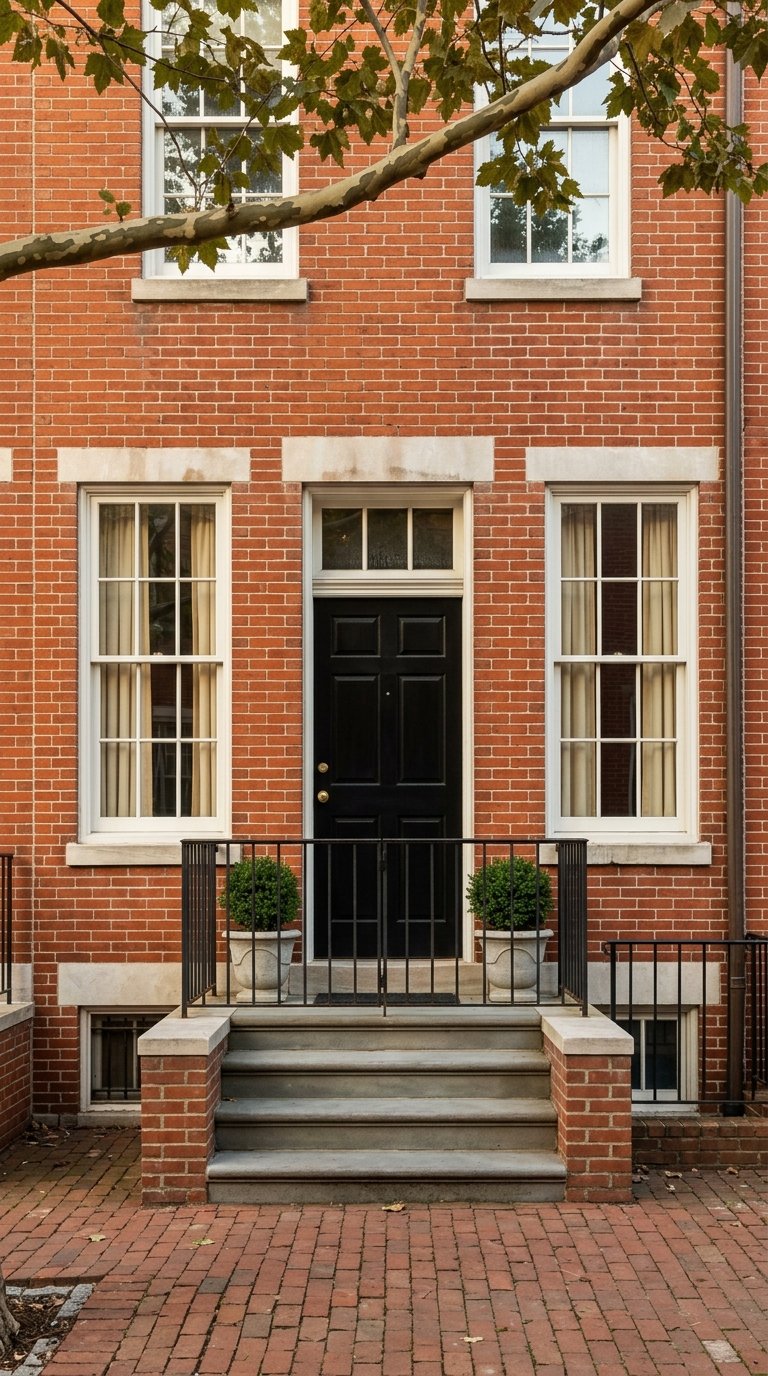
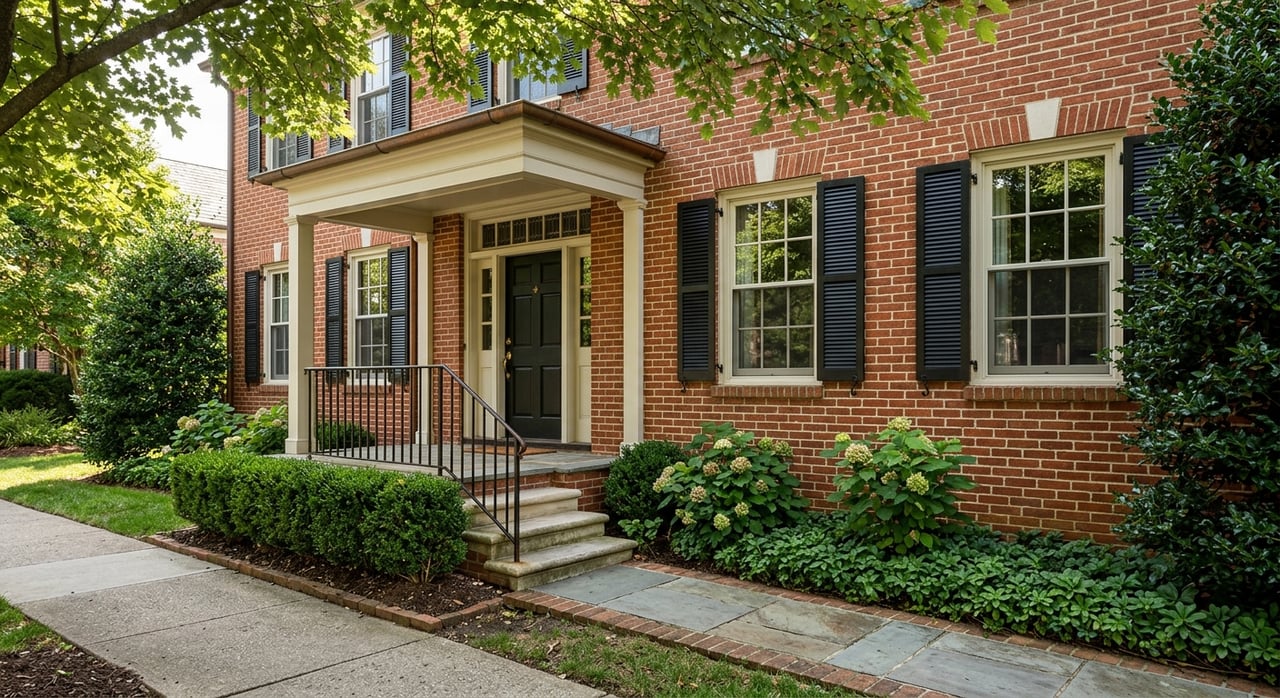
You will find mostly detached single‑family homes on larger‑than‑average urban lots. Architectural styles include early 20th‑century forms such as Tudors, Colonials, bungalows, and Cape Cods. Later decades introduced some mid‑century garden‑style buildings and, more recently, townhouse clusters and modern infill, creating a mix of preserved period homes and updated residences (architectural backdrop).
While the neighborhood is predominantly single family, you will see small pockets of condominiums and townhouses, particularly along New Mexico Avenue and the Massachusetts Avenue corridor. The overall profile is low‑rise and residential rather than retail‑oriented, which supports the area’s calm, green setting.
Pricing and market dynamics
Given the neighborhood’s small size and low turnover, pricing can vary widely from month to month. In general, condominiums and townhouses can range from the upper six figures into the low seven figures, while most single‑family homes transact in the seven‑figure range, with premium properties reaching higher based on lot size, location near parkland, and level of renovation.
Because sales counts are modest and property types vary, broad market indices can diverge. Mix effects and timing can swing medians, which is why a range is more meaningful than a single number. Regionally, close‑in neighborhoods with larger single‑family homes continue to see steady demand and tighter inventory, and well‑priced listings can draw strong interest (regional market context). For a specific address, it is wise to verify current comps and absorption trends before you set expectations.
Parks and outdoor access
One of Wesley Heights’ signature strengths is green space. The neighborhood is bordered by major parkland on multiple sides, including Glover Archbold Park and Battery Kemble Park. These National Park Service parcels offer wooded ravines, historic features, and miles of natural trails that feel surprisingly rural within the city (Glover Archbold Park overview).
Short connector paths link residents to longer routes, creating an easy on‑foot network for running or hiking. Local guides highlight a connector often referred to as the Wesley Heights trail, which ties Glover Archbold to Battery Kemble and connects toward the C&O Canal corridor, giving you immediate access to longer recreation loops without getting in the car (trail connections noted in local coverage).
Tree canopy is a real lifestyle asset here, though recent Ward 3 reporting has documented canopy loss tied to tear‑downs and redevelopment. If mature trees are a priority, it helps to review recent permit activity and observe street‑level conditions as you tour homes (reporting on canopy changes).
Daily convenience and dining
For everyday errands, New Mexico Avenue and the Foxhall Square complex serve as the neighborhood’s closest retail nodes. You will find coffee, pharmacy, banking, and medical services, alongside local staples like Wagshal’s and long‑running neighborhood dining at Chef Geoff’s. It is an easy option when you want a quick errand or low‑key dinner close to home (Foxhall Square tenant overview).
For broader shopping, specialty groceries, and more varied dining, most residents make a short drive or take transit to Tenleytown and Friendship Heights along Wisconsin Avenue, or to Glover Park and Georgetown. This pattern reinforces Wesley Heights’ profile as a calm residential base with easy access to busier corridors when you want them.
Getting around and transit
Walk, bike, and transit indices vary by block. Addresses within Wesley Heights often score in the “very walkable” to “some transit” range depending on proximity to bus routes and commercial pockets. The area is not a major transit hub, so it helps to plan exact routes if you rely on Metro daily (local neighborhood guide context).
The closest Metrorail stations are typically Tenleytown–AU and Van Ness–UDC on the Red Line, roughly 1 to 1.5 miles from many homes. Bus lines along New Mexico Avenue and Massachusetts Avenue provide frequent links to those stations and to nearby retail corridors. If a short Metro walk is non‑negotiable for you, weigh the exact address and bus frequency during your search.
Schools and nearby institutions
Wesley Heights is served by D.C. Public Schools, with many addresses feeding into Horace Mann Elementary, Hardy Middle School, and Jackson‑Reed High School. Always confirm current boundary maps for a specific property, since DCPS assignments can change over time (Horace Mann Elementary site).
The neighborhood sits by American University and near Wesley Theological Seminary. Campus plans and student‑housing proposals periodically come before local advisory bodies. If you are weighing long‑term quality‑of‑life considerations, you can monitor agendas and minutes for updates (ANC 3D meetings page).
Who Wesley Heights fits best
Wesley Heights tends to appeal to buyers who want a quiet residential setting wrapped by parkland and trails. Larger lots and a low‑traffic street pattern support a relaxed pace that many find attractive, especially if you value outdoor access and a more suburban feel within D.C. city limits.
Typical positives:
- Leafy streets, immediate access to Glover Archbold and Battery Kemble parks, and a calm neighborhood setting.
- Larger lots and a strong single‑family home presence with a mix of preserved period architecture and updated homes.
- Convenient proximity to American University and short drives to Tenleytown, Friendship Heights, and Georgetown.
Typical trade‑offs:
- Fewer immediate retail and nightlife options inside the neighborhood; most variety sits a short drive or bus ride away (Foxhall Square overview).
- Less direct Metrorail access compared with neighborhoods centered on a station; bus links are the primary connector to the Red Line (transit context).
- A high price point and low inventory environment where well‑positioned listings can draw strong interest (regional demand backdrop).
Micro‑location tips and due diligence
- Walk the park edges. Proximity to trailheads and green corridors is a lifestyle boost, but lots can vary in privacy, slope, and exposure. Visit at different times of day to gauge sun and shade.
- Map your transit plan. Check the nearest bus stops on New Mexico and Massachusetts, and time your route to Red Line stations during peak hours. Small distance differences can change your daily rhythm.
- Verify school boundaries. If school assignments matter in your decision, confirm them for the specific address and timeframe you have in mind (Horace Mann Elementary site).
- Review canopy conditions. Streets differ in mature-tree coverage, and some blocks have seen recent redevelopment. If shade and trees are priorities, observe site conditions and recent permit activity, and review available reporting on canopy trends (canopy reporting).
- Track local planning items. For any long‑term hold, it helps to watch ANC 3D agendas for campus‑related filings and neighborhood reviews (ANC 3D meetings page).
The bottom line
If you are drawn to a low‑key, park‑framed neighborhood inside the District, Wesley Heights delivers a rare blend of calm streets, green space, and classic architecture. The trade‑off is less immediate transit and retail, plus a higher price point with tighter inventory. If that balance sounds right for you, a focused search can help you zero in on the right pocket and property type.
Ready to explore homes and get current comps tailored to your needs? Connect with the Nancy Taylor Bubes Team for a discreet, data‑informed consultation.
FAQs
What types of homes are common in Wesley Heights?
- Mostly detached single‑family houses on larger lots, with a mix of early 20th‑century styles and some townhouse and condo pockets near New Mexico and Massachusetts avenues (architectural overview).
How close is the Metro to Wesley Heights homes?
- The nearest Red Line stops are usually Tenleytown–AU and Van Ness–UDC, about 1 to 1.5 miles from many addresses, with bus routes along New Mexico and Massachusetts providing links (transit context).
What price range should I expect in Wesley Heights?
- Condos and townhouses can run from the upper six figures into the low seven figures, while single‑family homes generally trade in the seven‑figure range, with premiums for larger lots and top locations; verify current comps for a specific address.
How is park and trail access in Wesley Heights?
- Excellent. The neighborhood borders Glover Archbold and Battery Kemble parks, with connector paths that link to longer trail systems and natural corridors within the city (NPS park overview).
Which public schools serve Wesley Heights addresses?
- Many homes feed into Horace Mann Elementary, Hardy Middle, and Jackson‑Reed High; always confirm current DCPS boundaries for the property you are considering (Horace Mann Elementary site).
Are there local planning or development issues to watch?
- Periodic campus‑planning items for nearby institutions and neighborhood reviews appear before ANC 3D; it is smart to monitor agendas and minutes for updates (ANC 3D meetings page).