If you want city access without city exposure, Kalorama stands apart. This is one of those Washington neighborhoods that feels composed, residential, and quietly self-possessed, even though it sits close to some of the city’s busiest corridors. If you are trying to picture what discreet city living really looks like here, the answer is less about flash and more about setting, architecture, and rhythm. Let’s take a closer look.
Kalorama Feels Residential First
Kalorama’s identity starts with its historic residential character. The District recognizes both Kalorama Triangle and Sheridan-Kalorama as historic districts, and those official designations help explain why the neighborhood feels so distinct from more retail-driven parts of the city.
Kalorama Triangle is described by DC as a residential enclave bounded by Connecticut Avenue, Calvert Street, and Columbia Road. It developed largely between 1897 and 1931 and includes hundreds of historic buildings. Even that basic history tells you something important: Kalorama was shaped as a place to live, not as a destination built around storefronts or spectacle.
Sheridan-Kalorama carries a similar identity. Historic district documentation describes it as a quiet, elegant residential enclave within the city. With Connecticut Avenue, Rock Creek Park, and Florida Avenue helping frame the area, the neighborhood reads as in-town and central, but still notably sheltered from the visual noise you may associate with denser urban districts.
The Streets Create Privacy
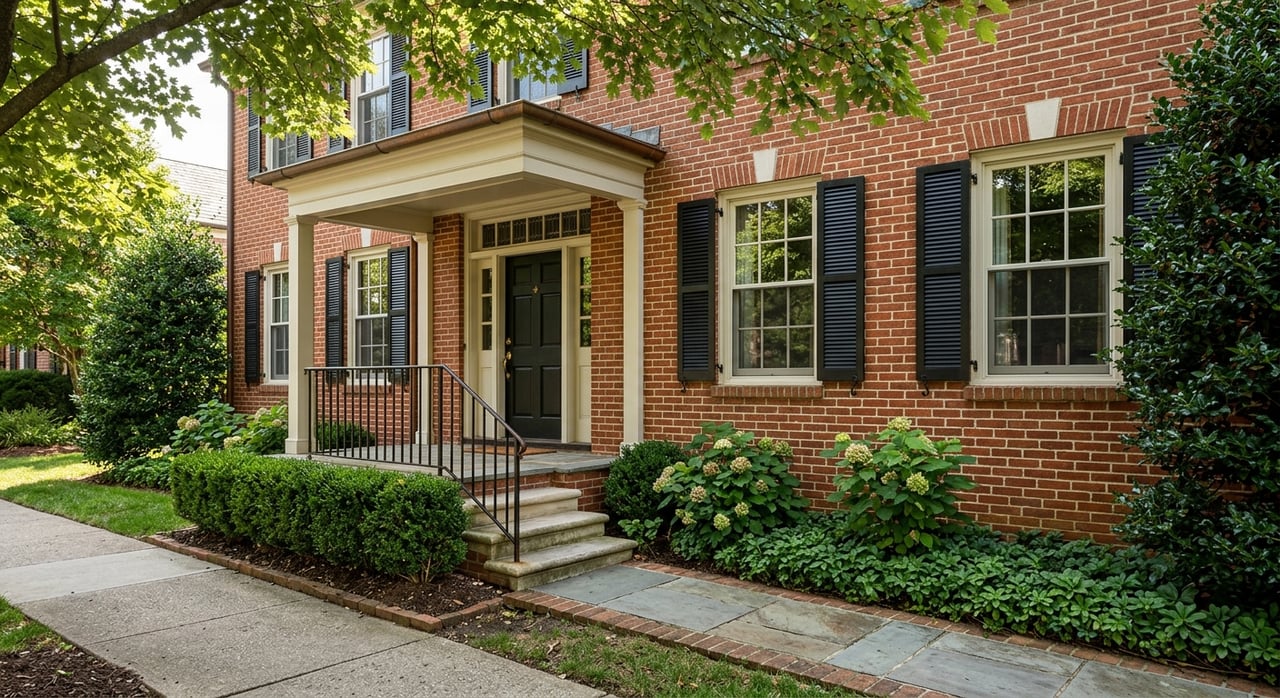
One reason Kalorama feels discreet is the streetscape itself. In Sheridan-Kalorama, the terrain is hilly and tree-lined, and many streets are short or curved to follow the land. In Kalorama Triangle, the streets are also described as curvilinear and tree-lined.
That physical layout matters in everyday life. Curved streets, mature trees, and changing elevation soften sightlines and reduce the sense of constant pass-through traffic. Instead of long commercial blocks with high visibility, you get a neighborhood that reveals itself gradually.
This is part of what makes Kalorama feel private without feeling cut off. You are still in the city, but the experience is quieter and more buffered. For many buyers, that balance is exactly the point.
Architecture Signals Prestige Quietly
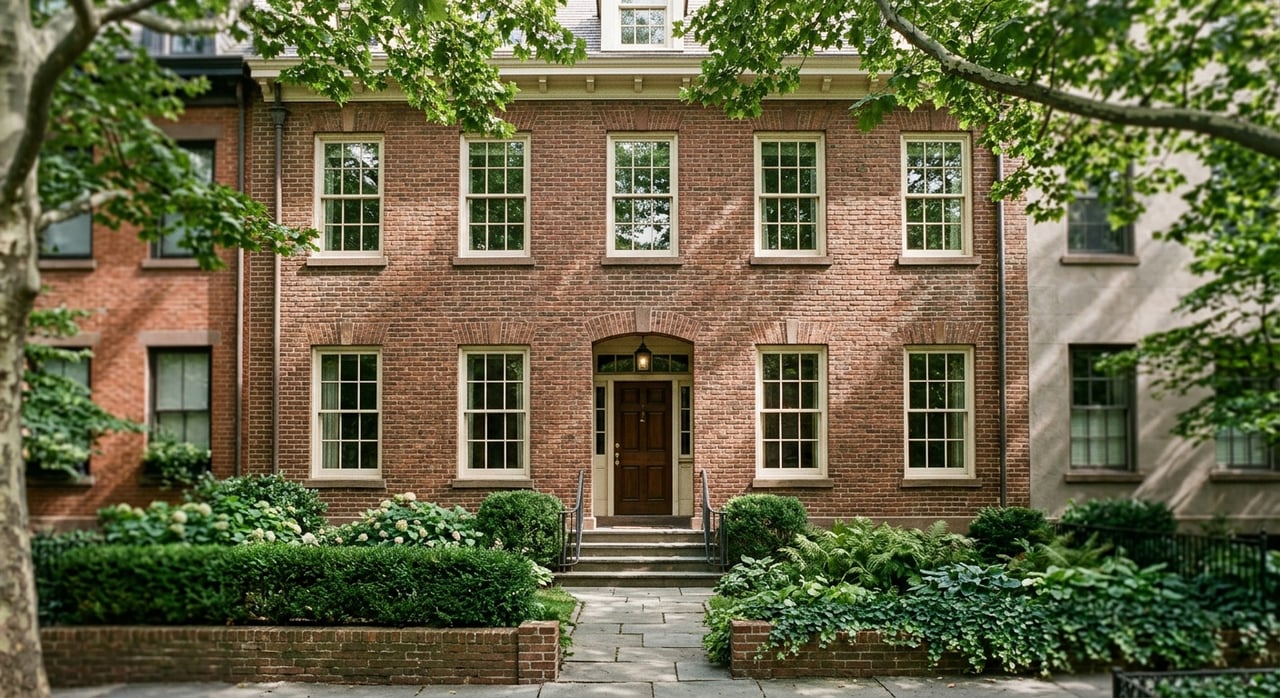
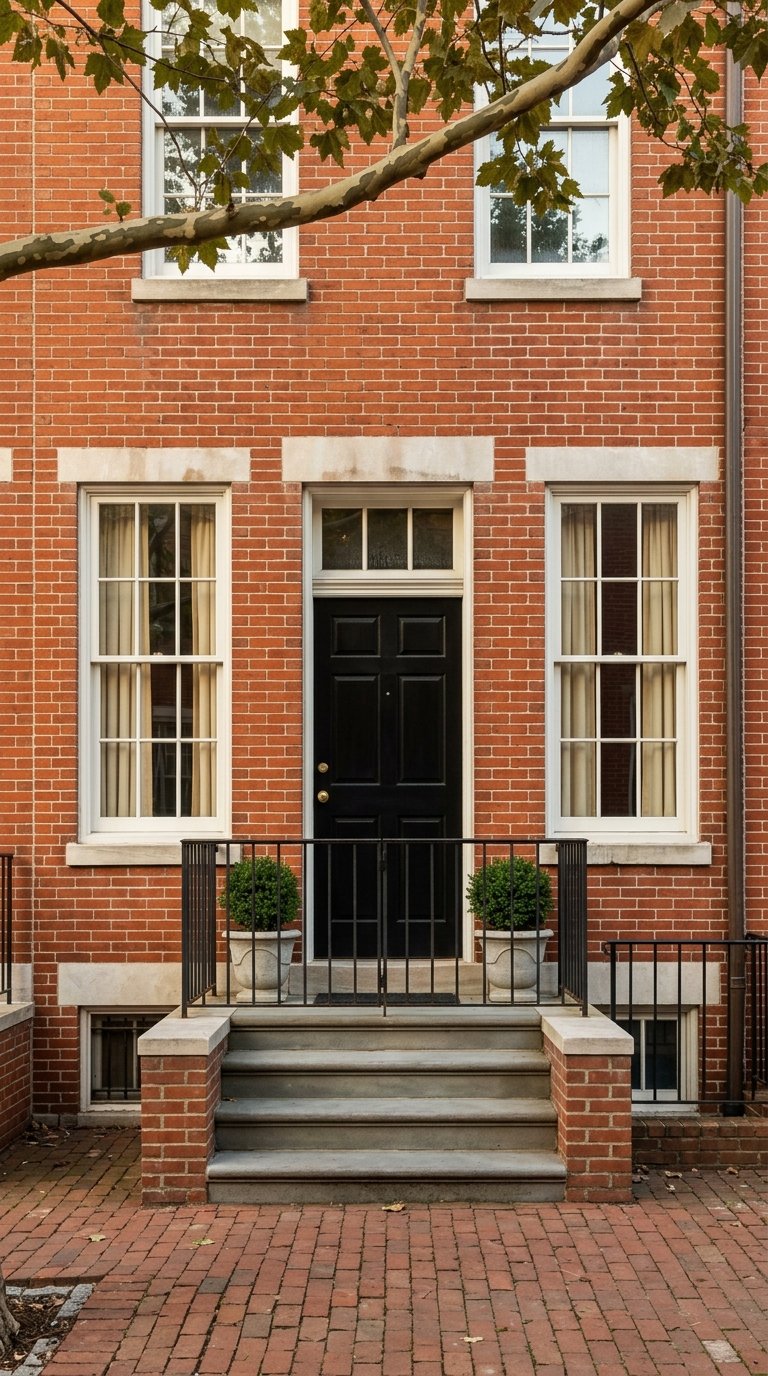
Discreet living in Kalorama is also written into the housing stock. The neighborhood includes architecturally significant free-standing houses, attached houses, and apartment buildings, all within a historic residential setting. The effect is visually rich, but not performative.
In Sheridan-Kalorama, most buildings were originally single-family residences. Historic records also note that buildings later adapted for religious, educational, or diplomatic use often maintained a residential appearance. Even some structures built for non-residential purposes were designed to blend into the surrounding neighborhood character.
That means prestige in Kalorama is often expressed subtly. It shows up in scale, materials, proportion, setbacks, and address rather than overt branding or obvious public display. A well-known example from preservation records is the Royal Thai Embassy on Kalorama Road, which is described as blending in with nearby homes and offering little exterior hint of its official use.
Diplomatic Presence Shapes the Mood
Kalorama has long been associated with embassies, chanceries, and private schools, according to the Sheridan-Kalorama historic district nomination. That mix has helped shape the area’s long-standing identity as formal, orderly, and low-profile.
For you as a resident, that can translate into a neighborhood rhythm that feels more composed than commercial. There is a sense of institutional stability in the built environment, but the area still functions first as a residential place. It is not trying to entertain at every corner.
That distinction is important. Kalorama offers proximity to Washington’s international and civic life while preserving a tone that feels restrained. In a city known for visibility, that kind of understatement is rare.
You Are Near Activity, Not Inside It
Another part of discreet city living is having easy access to amenities without living on top of them. Kalorama works well in this regard because its daily orbit includes nearby Dupont Circle, which offers a much denser mix of restaurants, services, shops, and embassies.
According to the Dupont Circle BID, the broader area includes more than 110 restaurants, 130 services, 40 shops, and 70 embassies. At the same time, MPD’s Third District describes the district as primarily residential while noting Dupont Circle and Connecticut Avenue as a dynamic business corridor.
The practical takeaway is simple: Kalorama serves as a quiet home base with a busy urban amenity network close by. You can step into dining, services, and city energy when you want them, then return to a neighborhood that feels notably more contained.
Convenience Here Is Subtle
Kalorama’s convenience is real, but it does not announce itself loudly. WMATA station information shows Red Line access at both Dupont Circle and Woodley Park-Zoo/Adams Morgan, and the Kalorama Recreation Center identifies Woodley Park-Zoo/Adams Morgan as the nearest Metro.
That gives you useful transit options while preserving the neighborhood’s quieter feel. You are connected, but not defined by transit bustle. For many buyers, that is a more appealing form of urban convenience.
Local public spaces add to that sense of everyday livability. Kalorama Park is a 3-acre triangular park, and city project materials note ongoing work related to landscaping, hardscaping, tree protection, and stormwater improvements. The Kalorama Recreation Center includes two playgrounds, outdoor basketball courts, a computer lab, and a community garden.
These are not flashy amenities, and that is exactly why they matter. They support daily life in a grounded, neighborhood-scale way. In Kalorama, convenience often shows up as ease and continuity rather than noise.
What Discreet Luxury Means in Kalorama
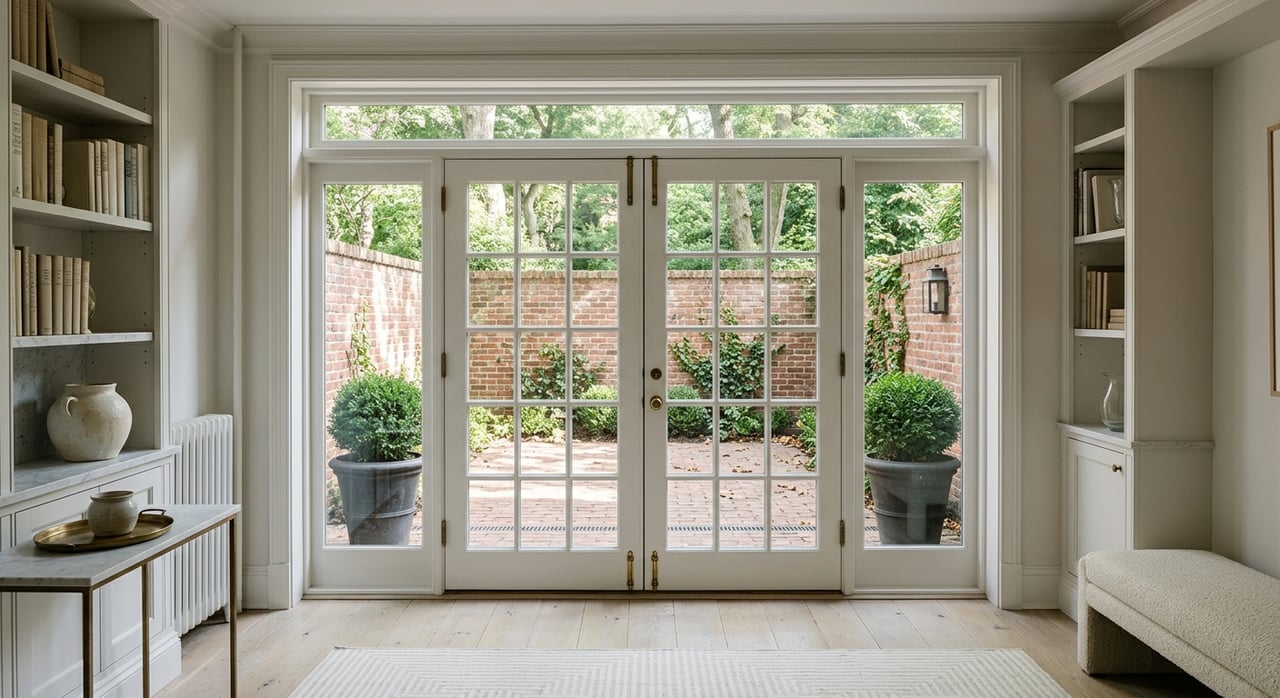
In Kalorama, luxury is best understood as low-key urban refinement. It is not isolation from Washington, and it is not a retreat from city life altogether. Instead, it is a way of living in the center of the city while preserving a sense of calm, privacy, and architectural dignity.
That feeling comes from several layers working together:
- Historic residential fabric
- Mature tree canopy
- Curved and often shorter streets
- Architecture that values presence over display
- Diplomatic and institutional uses that maintain a residential look
- Nearby access to dining, services, and Metro without a dominant retail core inside the neighborhood
When these elements come together, the result is a neighborhood that feels established and self-contained. You get the benefits of central Washington with a more protected daily experience.
Why Buyers Are Drawn to Kalorama
If you are searching in Northwest DC, Kalorama may appeal to you for reasons that are hard to capture in a simple list of amenities. The neighborhood offers a very specific kind of lifestyle, one built on quiet confidence rather than constant stimulation.
For some buyers, that means a preference for historic architecture and tree-lined blocks. For others, it means wanting proximity to Dupont Circle, Connecticut Avenue, and Rock Creek Park while still coming home to a setting that feels residential and composed. In either case, Kalorama stands out because it protects its atmosphere so well.
That is often what makes the neighborhood memorable. It does not compete for attention. It earns it slowly, through texture, proportion, and a strong sense of place.
What Sellers Should Understand
If you own a home in Kalorama, the neighborhood’s discretion is part of its value. Buyers are often responding not just to square footage or finishes, but to the experience of the block, the architecture, and the neighborhood’s low-key identity.
That means presentation matters. Homes here benefit from marketing that understands context and can articulate why Kalorama feels different from nearby neighborhoods. In a place where prestige is understated, thoughtful positioning is often far more effective than broad exposure.
For sellers of distinctive residences, especially historic or architecturally significant homes, that kind of measured storytelling can help the property resonate with the right audience. It is one more reason Kalorama often rewards a careful, tailored approach.
If you are considering buying or selling in Kalorama and want advice grounded in discretion, neighborhood fluency, and thoughtful positioning, the Nancy Taylor Bubes Team can help you navigate the market with care.
FAQs
What makes Kalorama feel discreet compared with other DC neighborhoods?
- Kalorama feels discreet because it is defined by historic residential districts, tree-lined and often curved streets, a quieter streetscape, and architecture that emphasizes privacy and presence rather than commercial visibility.
Is Kalorama mainly a residential neighborhood?
- Yes. DC historic district materials describe both Kalorama Triangle and Sheridan-Kalorama as residential enclaves, which helps explain the neighborhood’s calm and low-key character.
Does Kalorama have shops and restaurants inside the neighborhood?
- Kalorama is better understood as a quiet residential home base with easy access to nearby amenity-rich areas like Dupont Circle, rather than as a neighborhood centered on its own major retail core.
How does diplomatic presence affect daily life in Kalorama?
- Historic records note the neighborhood’s long association with embassies and related institutional uses, which contributes to an atmosphere that feels orderly, formal, and comparatively low-profile.
Is Kalorama convenient for transit and everyday amenities?
- Yes. The neighborhood has access to nearby Red Line stations at Dupont Circle and Woodley Park-Zoo/Adams Morgan, and local amenities include Kalorama Park and the Kalorama Recreation Center.
Why do luxury buyers consider Kalorama?
- Many buyers are drawn to Kalorama for its blend of central location, historic architecture, mature trees, residential privacy, and close access to the broader dining and service options around Dupont Circle.