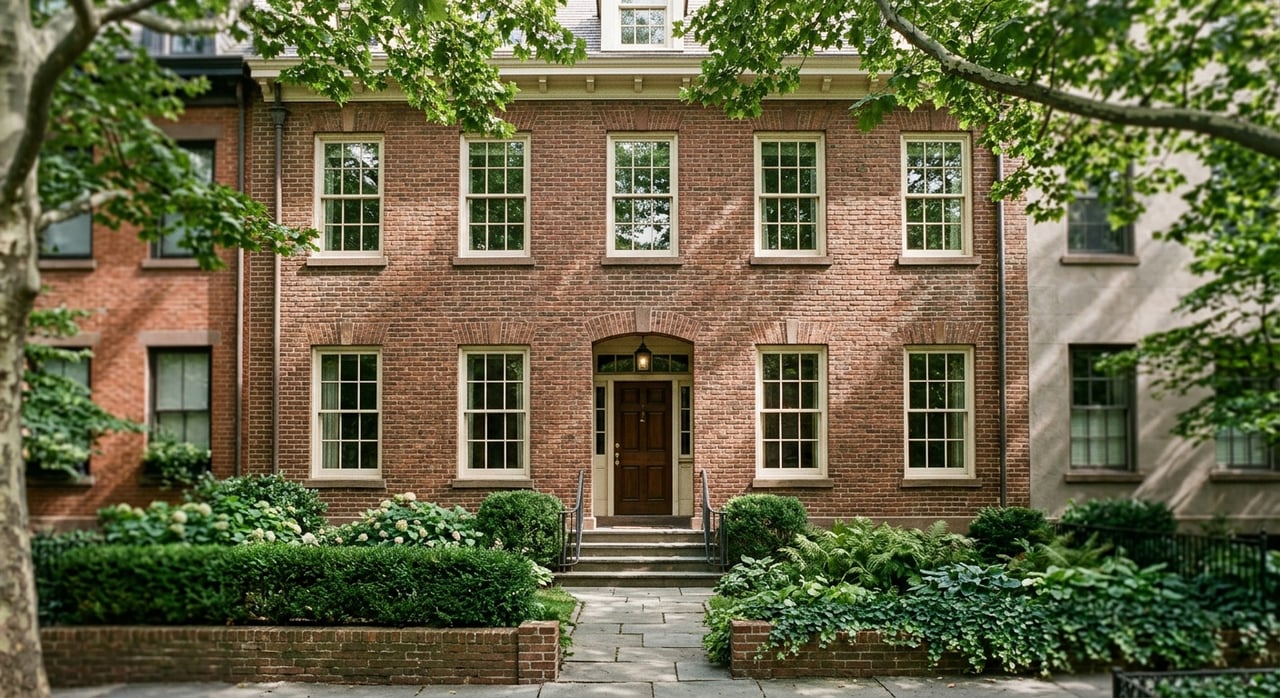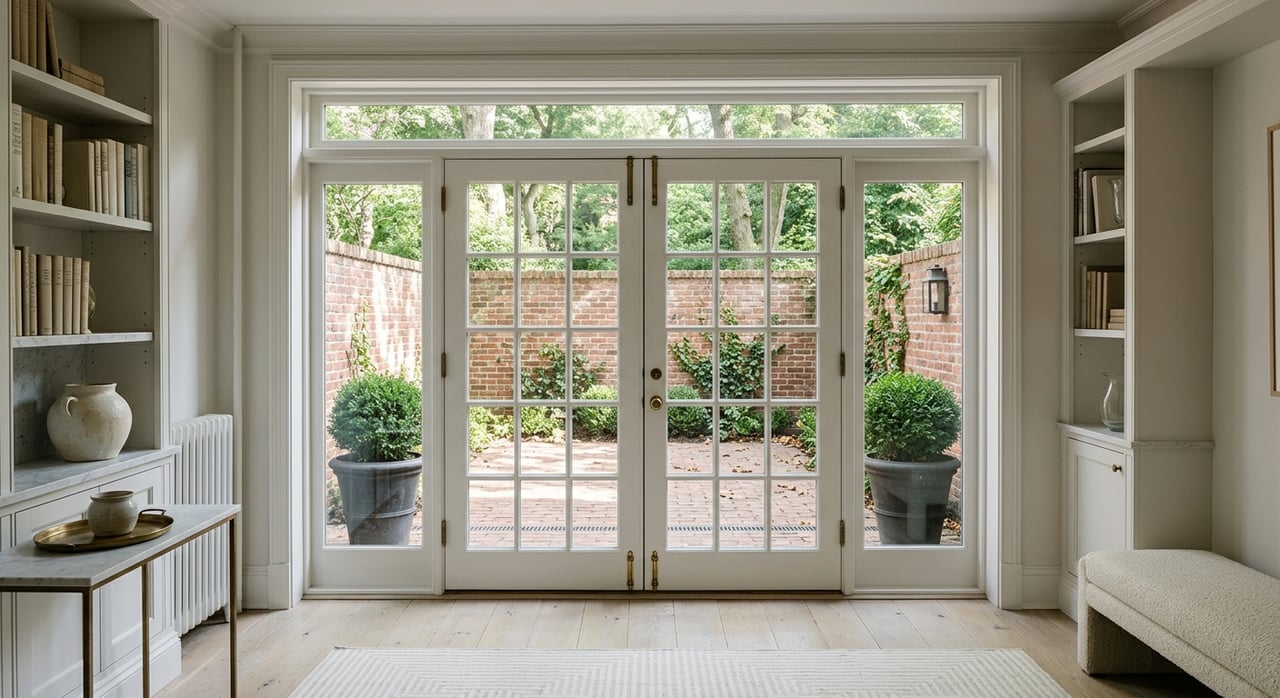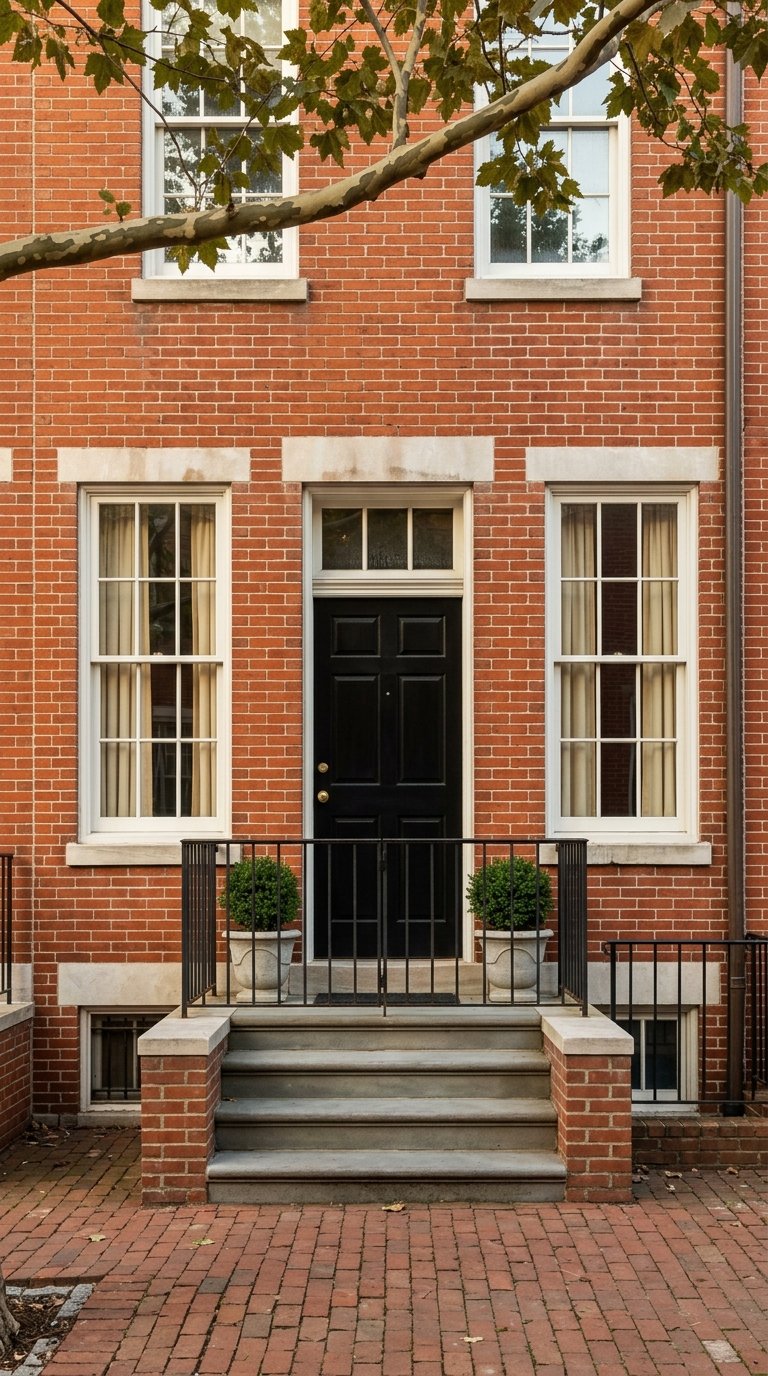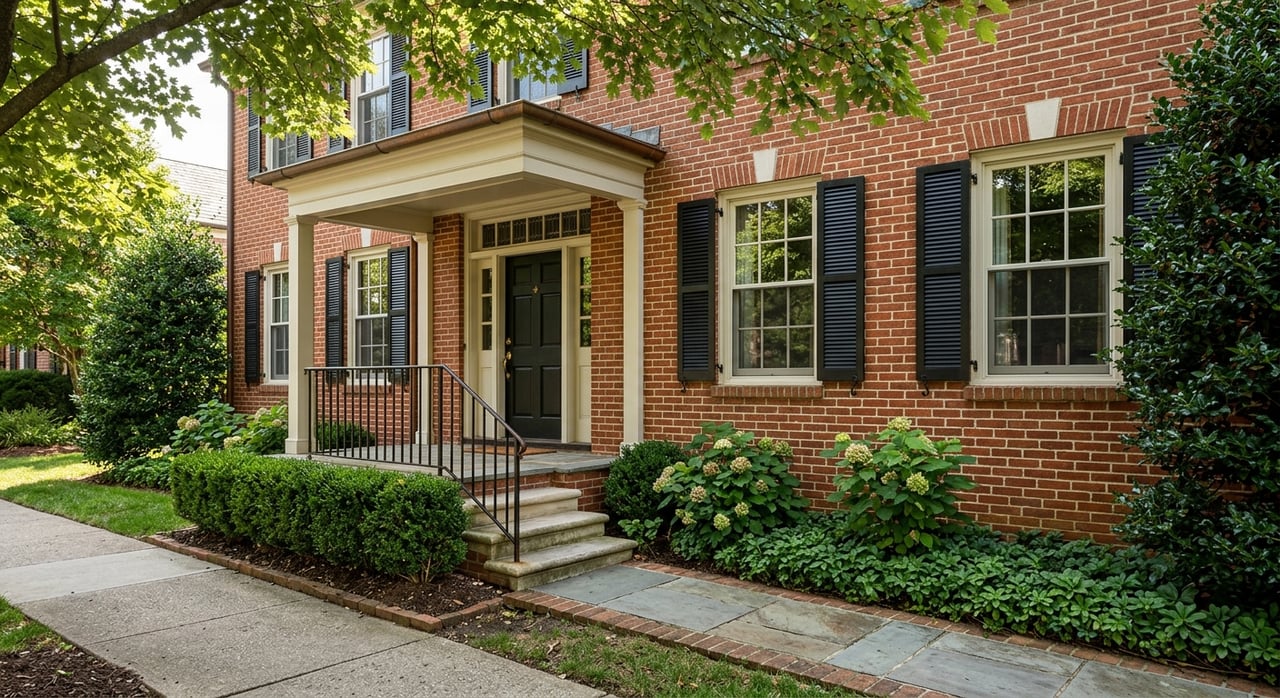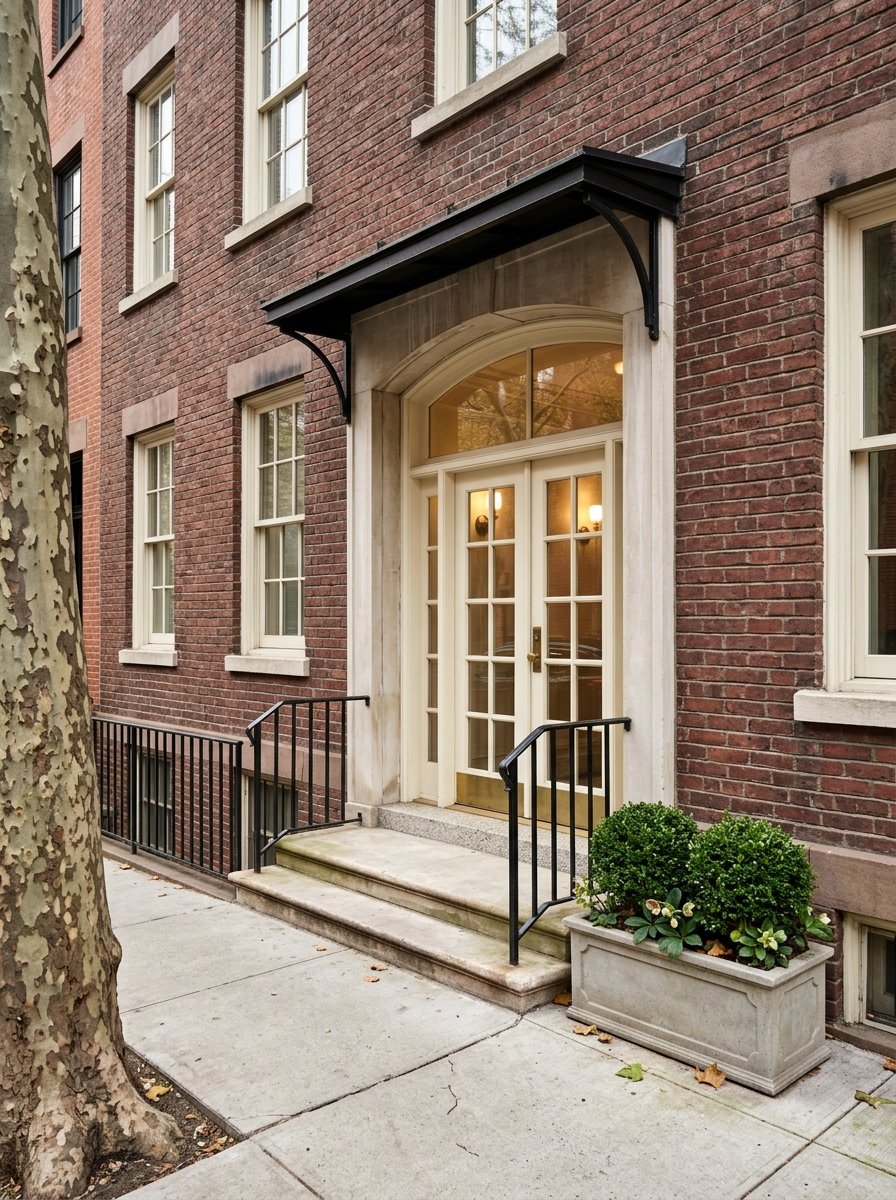
If you are drawn to character, scale, and a strong sense of place, Dupont Circle’s historic apartments and condos offer a version of city living that feels hard to replicate. Here, older buildings are not just backdrops. They shape how you live, from the proportions of the rooms to the feel of the lobby and the rhythm of the block. If you are considering a purchase in this part of Washington, understanding the neighborhood’s architectural history, ownership structures, and preservation rules can help you buy with more confidence. Let’s dive in.
Dupont Circle’s Historic Housing Story
Dupont Circle has long been one of Washington’s most architecturally layered neighborhoods. According to the National Park Service’s overview of Dupont Circle, the area sits at the intersection of Massachusetts, Connecticut, and New Hampshire Avenues and has served as an anchor for diplomats, government officials, and the city’s LGBTQ community.
The Dupont Circle Historic District documentation shows just how broad that architectural mix is. You will find Victorian and Beaux-Arts mansions, Queen Anne and Richardsonian rowhouses, early apartment buildings, and 1920s commercial structures, all within a district whose period of significance runs from 1875 to 1931.
That mix matters if you are shopping for a home. In Dupont Circle, apartment and condo living is not a recent overlay on a historic neighborhood. It is part of the neighborhood’s story, especially in buildings that reflect its transition from an elite residential district into a more mixed-use urban setting.
Why Historic Buildings Feel Different
One of the clearest examples is The Cairo, the landmark apartment building at 1615 Q Street NW. The Library of Congress describes it as the District’s tallest residential building, while SAH Archipedia identifies it as an 1894 building with Richardsonian Romanesque and Chicago-school traits, steel-frame construction, vertical bays, and a richly ornamented entrance and roofline.
The Cairo also helps explain why Dupont Circle’s skyline looks the way it does today. Its height helped spur Washington’s building-height limits, a lasting influence that still shapes the city’s generally mid-rise profile rather than a tower-dominated one.
For you as a buyer, the appeal is often tactile as much as visual. Historic buildings in Dupont Circle tend to feature masonry facades, strong architectural massing, decorative stonework, and shared spaces with real presence. In a landmark property like The Cairo, that can translate into tall ceilings, a central courtyard, marble floors, a dramatic lobby, and rooftop views that feel tied to the building’s history rather than added as a modern afterthought.
What Floor Plans Often Look Like
Historic apartment and condo living in Dupont Circle does not follow one standard format. Instead, floor plans often reflect the era in which a building was constructed, and many have evolved over time.
A good example is The Presidential, an eight-story 1923 cooperative at 16th and L Streets. Its fact sheet notes 46 residences, some of which have been combined over time, along with amenities such as central air conditioning, a front desk, a doorman, laundry, basement storage bins, and limited parking.
That kind of building often suggests a more compartmentalized prewar layout. You may find distinct rooms, more formal circulation, and homes that have been reconfigured over the years to meet current needs while keeping much of the original structure intact.
By contrast, The Cairo’s current condominium format shows how historic character and modern updates can coexist. The building highlights secure entry, a front desk, a rooftop deck, a stone garden courtyard, common laundry, tall ceilings, exposed brick, and updated kitchens and baths.
Newer infill in Dupont Circle can feel quite different. The Pacifica Condominiums were designed to complement the surrounding historic streetscape, but the homes themselves lean more contemporary, with open kitchen, living, and dining areas, private outdoor terraces, parking, bike storage, and rooftop common space.
For buyers, the takeaway is simple: in Dupont Circle, vertical living ranges from classic prewar apartments and combined units to newer open-plan condos. It is worth looking beyond bedroom and bath count to understand how a home actually lives day to day.
Condo vs Co-op in Dupont Circle
In Dupont Circle, two homes may feel similarly historic and elegant but operate very differently from a legal and financial standpoint. That is especially true when comparing condos and co-ops.
Under DC law governing condominiums, a condominium unit is a separate parcel of real estate. You own the unit itself in fee simple along with an undivided interest in the building’s common elements.
Those common elements under DC law can include spaces and systems that matter a great deal in older buildings, such as lobbies, roofs, stairways, elevators, and central service systems like central air conditioning. In practical terms, that means the quality and management of shared spaces can be just as important as the layout inside your unit.
A cooperative is different. Under DC’s cooperative housing definition, a co-op is owned and operated by an association, and residents occupy their homes through stock or membership certificates plus a proprietary lease or occupancy agreement. You are not buying a separately deeded unit in the same way you are with a condo.
This is not just a technical distinction. It affects your ownership documents, your voting structure, and how the building functions financially. In Dupont Circle, The Presidential is a co-op, while The Cairo is a condo, which makes them useful examples of how similar architectural charm can come with different ownership models.
Monthly Costs Matter as Much as Price
If you are comparing historic apartments or condos, the purchase price is only part of the picture. Monthly carrying costs can have a major effect on affordability and long-term comfort.
The Consumer Financial Protection Bureau notes that condo and co-op fees are usually paid directly to the association rather than being included in your mortgage payment. Those dues can range from a few hundred dollars to more than $1,000 per month.
That is especially relevant in Dupont Circle’s older buildings, where shared spaces, central systems, front desk coverage, and building services can play a larger role in daily life. When you review a property, it helps to look at the whole monthly picture, not just the asking price.
Preservation Rules and Daily Ownership
One of the benefits of buying in a historic district is that the neighborhood’s architectural character is protected. At the same time, preservation rules can shape what you are allowed to change.
According to the DC Office of Planning’s guidance on work requiring HPRB review, major exterior work, new or altered front openings, roof decks visible from the street, and significant changes to windows or decorative architectural features generally require review. If you are buying with plans to modify an exterior feature, this is an important step to understand early.
The rules are often more flexible inside the home. The Office of Planning also notes that ordinary interior alterations are generally exempt from preservation review unless they affect a specifically designated historic interior.
For many buyers, that balance is reassuring. You can often update kitchens, baths, and other interior spaces while the broader streetscape and architectural fabric remain protected.
How to Evaluate a Historic Dupont Building
When you tour historic apartments and condos in Dupont Circle, it helps to focus on a few practical questions.
- What type of ownership is it? Determine whether the property is a condo or co-op, since that changes your legal interest and monthly obligations.
- How strong are the shared spaces? In older buildings, lobbies, roofs, elevators, central systems, and courtyards can be central to the ownership experience.
- How has the home evolved? Some residences have been combined or updated over time, which can improve livability while preserving original character.
- What changes might require review? If you are thinking about exterior alterations, window changes, or a visible roof deck, preservation rules matter.
- Does the layout match your lifestyle? Some buyers prefer formal prewar room separation, while others want a more open plan.
Historic living in Dupont Circle is rarely about checking generic boxes. It is about finding the right relationship between architecture, ownership structure, and your day-to-day needs.
The Value of Informed Guidance
Buying in a historic Washington neighborhood often requires more nuance than a simple online search can provide. Buildings may share the same general location and architectural appeal, yet differ significantly in legal structure, amenity profile, carrying costs, and future flexibility.
That is where experienced local guidance matters. If you are considering a historic apartment, condo, or co-op in Dupont Circle, the Nancy Taylor Bubes Team offers the kind of neighborhood fluency and discreet advisory approach that can help you evaluate these properties with clarity and care.
FAQs
What makes Dupont Circle apartment living historic?
- Dupont Circle’s historic district includes late 19th- and early 20th-century buildings such as mansions, rowhouses, and early apartment houses, with a documented period of significance from 1875 to 1931.
What is the difference between a Dupont Circle condo and a Dupont Circle co-op?
- In DC, a condo is a separately deeded unit with a share of the common elements, while a co-op involves membership or shares in an association plus a proprietary lease or occupancy agreement.
What are common features in historic Dupont Circle buildings?
- Depending on the building, you may see tall ceilings, masonry facades, decorative stonework, formal lobbies, courtyards, rooftop spaces, front desk service, and layouts that reflect prewar design.
Do exterior renovations in Dupont Circle require historic review?
- Major exterior work, visible roof decks, front facade changes, and significant alterations to windows or decorative features generally require preservation review, while many ordinary interior changes do not.
Why do monthly fees matter in Dupont Circle condos and co-ops?
- Condo and co-op dues are typically paid directly to the association and can materially affect your monthly cost of ownership, especially in buildings with shared amenities and central systems.