What does a perfect weekend look like when you live in Georgetown? For many buyers, the answer is not just beautiful architecture or a well-known address. It is the ease of stepping out your door and finding waterfront paths, historic streets, everyday errands, and dinner plans all within a compact, walkable setting. If you are thinking about life in this part of Washington, Georgetown offers a clear picture of how home and neighborhood can work together. Let’s take a closer look.
Georgetown life starts with proximity
Georgetown is part of Northwest Washington, D.C., and the Georgetown BID describes it as the city’s original neighborhood. Founded in 1751 as a tobacco port town, it still carries that deep sense of history while functioning as a lively residential and commercial district today. That blend is a big part of its appeal.
The neighborhood is not defined by one single experience. You have preserved residential streets, a dense shopping and dining core, and access to the waterfront, all within a relatively compact area. For homeowners, that means your weekend often feels less like planning a trip across town and more like choosing which direction to walk.
Mornings feel grounded and outdoors
Canal walks set the tone
One of Georgetown’s most distinctive features is its connection to the C&O Canal. The towpath begins at Georgetown’s zero-mile marker and forms the start of the 184.5-mile route to Cumberland, Maryland. According to the National Park Service, the towpath is used year-round for biking and hiking.
For residents, that creates an easy weekend rhythm. You can start the day with a quiet walk, a run, or a bike ride before the retail streets get busier. It is a simple luxury to have that kind of outdoor access woven into daily life.
Waterfront Park adds open space
Georgetown Waterfront Park gives the neighborhood another layer of breathing room. The park includes 10 acres of open space, a fountain, kayak and paddleboard rentals, and access to water taxis and river cruises. The Georgetown BID also notes that the waterfront connects to three biking trails.
That matters if you want a neighborhood that feels active without feeling rushed. A weekend morning can be as relaxed or as energetic as you want it to be. You might spend an hour by the water, meet friends for a stroll, or turn a quick outing into a longer loop along the trails.
Midday is easy to do on foot
M Street and Wisconsin Avenue anchor errands
Georgetown’s commercial core is unusually concentrated. The Georgetown BID identifies M Street as one of the country’s best shopping streets and calls the intersection of M Street and Wisconsin Avenue the heart of the neighborhood. This concentration helps make Georgetown feel highly functional for day-to-day weekend life.
Instead of driving between scattered stops, you can often handle several things in one outing. Pick up a gift, browse for home pieces, pause for coffee, and meet someone for lunch, all without leaving the neighborhood. That kind of convenience shapes how a place feels when you live there full time.
Shopping variety supports a lived-in routine
Georgetown is the region’s largest outdoor shopping district, with more than 150 clothing and fashion stores. Cady’s Alley adds more than 40 design and home-furnishings spaces, while Book Hill on upper Wisconsin Avenue offers boutiques, galleries, antique stores, and restaurants. These are not just visitor amenities. They are part of what makes the neighborhood practical as well as polished.
If you enjoy a home-centered weekend, this mix stands out. You can browse design stores, explore antiques, or simply walk through a district that feels curated and layered rather than generic. For buyers who care about both architecture and daily experience, that combination is part of Georgetown’s lasting draw.
Dining gives you options without leaving home base
The Georgetown BID reports that the neighborhood has more than 100 restaurants representing over 50 ethnicities. That range supports the kind of flexible weekend many homeowners want. A casual lunch, an easy coffee stop, or a more polished dinner can all happen close to home.
This matters because convenience is not only about errands. It is also about spontaneity. In Georgetown, it is easy to decide on plans as the day unfolds rather than building your weekend around travel time.
Evenings shift naturally to the waterfront
Washington Harbour changes the mood
On the neighborhood’s southern edge, Washington Harbour anchors much of Georgetown’s waterfront evening activity. The area includes waterfront dining, river cruises, water taxis, and in winter, what Georgetown’s official materials describe as D.C.’s largest outdoor ice-skating rink.
For homeowners, that gives the neighborhood a second rhythm later in the day. Morning may feel calm and residential, while evening can feel lively and social without requiring a change of neighborhood. That contrast helps Georgetown feel full and layered rather than one-note.
Music, dining, and nightlife stay nearby
Official Georgetown materials also highlight places such as Blues Alley and Martin’s Tavern as part of the local evening scene. The practical takeaway is simple: dinner can easily turn into live music or a late drink while staying close to home. That kind of continuity is part of what people mean when they talk about neighborhood lifestyle.
You are not choosing between charm and activity here. Georgetown offers both, often within a few blocks. For many buyers, that is what makes the area feel so established and so livable.
Events keep the neighborhood active
Georgetown is not static, even with all of its historic character. Local event calendars include traditions such as the Spring Art Walk, Flower Tour, Summer Art Walk, Fall Market, Book Hill Tree Lighting, French Market, and Fête de la Musique. Georgetown Waterfront Park also hosts recurring programs such as Sunset Fitness and Sunset Cinema.
These events add another layer to the at-home weekend experience. Even if you are not planning a big outing, there is often something seasonal or community-oriented happening nearby. That steady cadence helps the neighborhood feel engaged and active throughout the year.
Getting around is walkable, with options
Georgetown is car-light, not car-free
One of the most useful ways to think about Georgetown is as a neighborhood that supports walking while still relying on a mix of transportation options. Georgetown does not have its own Metro station, but the Georgetown BID says Foggy Bottom-GWU is about a 15-minute walk away, and Rosslyn is a short walk across the Key Bridge.
That setup works well for many residents. You can do a great deal on foot, but you also have the flexibility to mix in driving, ride-share, buses, biking, or even a water taxi depending on your plans. It is a practical kind of convenience rather than a one-mode lifestyle.
Parking and transit support flexibility
The Georgetown BID’s getting-around information lists 20 parking lots and garages with more than 3,800 total spaces, along with Metrobus lines, bike parking, and the water-taxi connection between Washington Harbour and The Wharf. For homeowners, this range of options can make day-to-day living feel more manageable.
That matters especially if your weekend includes guests, multiple stops, or a trip beyond the neighborhood. Georgetown supports a walkable routine, but it also gives you different ways to move through the city when needed. That flexibility is part of its real-world appeal.
Historic character comes with stewardship
Preservation shapes ownership
Georgetown’s charm is closely tied to its preservation framework. DC Planning notes that the Georgetown Historic District was created in 1950, making it the first historic district in Washington and the sixth in the United States. Exterior work in the district follows special review procedures under the Old Georgetown Act.
For buyers, this is an important part of the ownership story. The same framework that helps protect the neighborhood’s character can also affect how exterior renovations and visible changes are handled. If you are considering a Georgetown property, understanding that balance is essential.
The tradeoff is part of the appeal
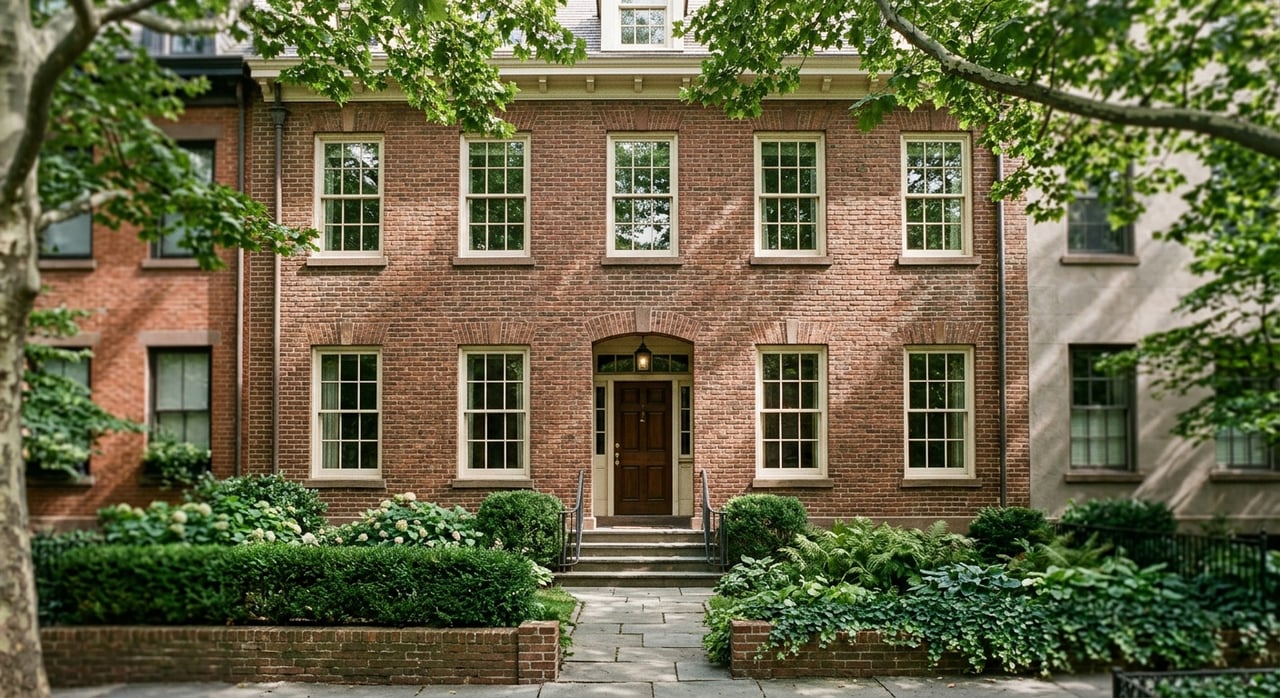
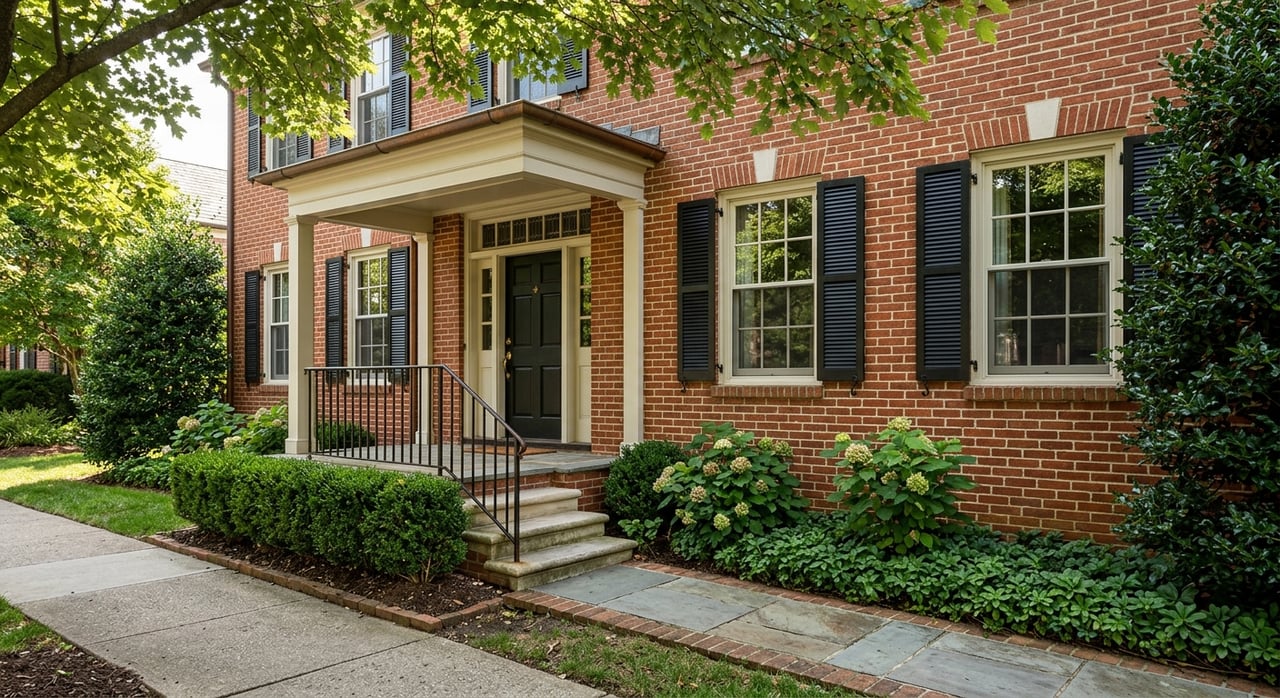
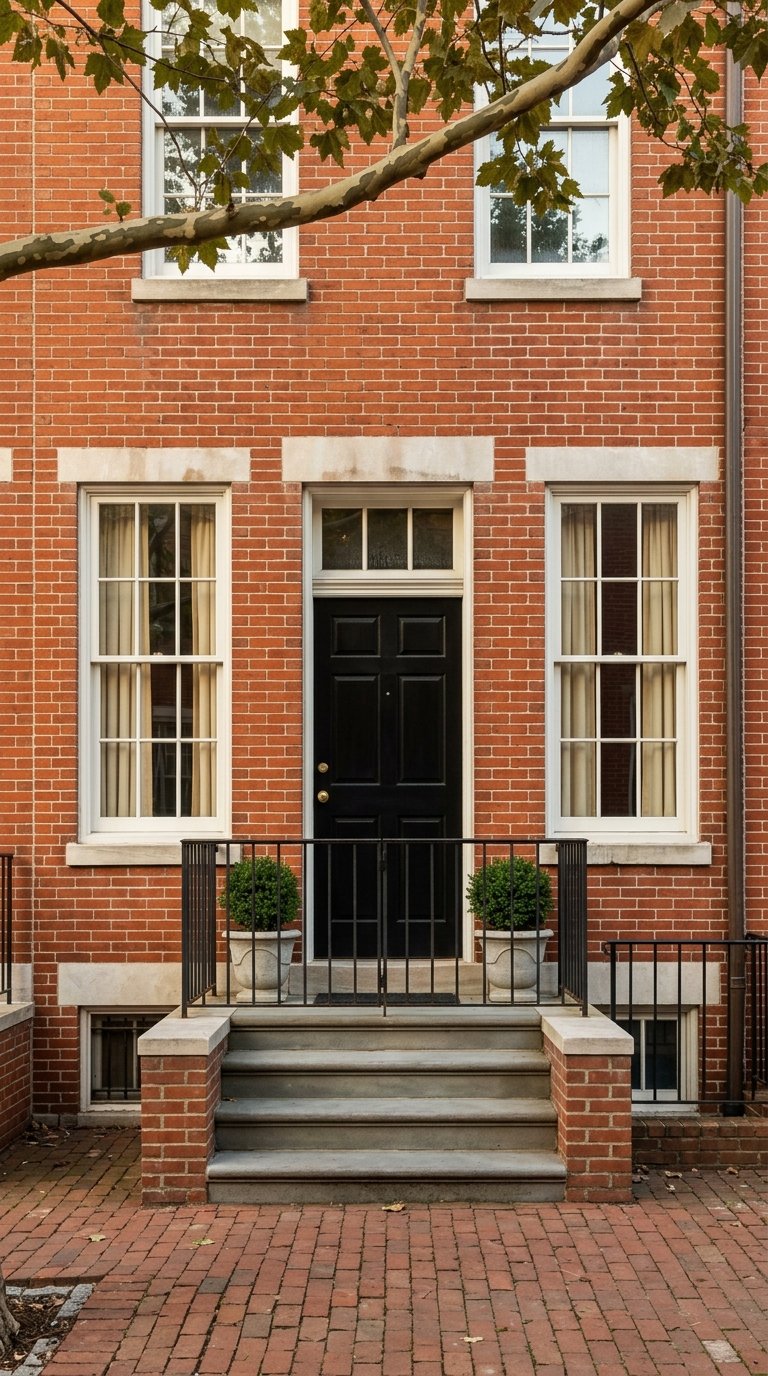
In many ways, Georgetown asks homeowners to think like stewards as much as residents. The preserved streetscape, historic architecture, and visual continuity do not happen by accident. They are part of a structure designed to maintain the neighborhood’s identity over time.
For the right buyer, that is not a drawback. It is part of what makes living here feel meaningful and distinct. A Georgetown address often offers not only a home, but also a place within one of Washington’s most established historic settings.
Why a weekend at home matters
A neighborhood reveals itself in the in-between moments. A morning coffee before a canal walk, an unplanned stop in Book Hill, a waterfront dinner that does not require a car, or a seasonal event close to home all tell you something important about daily life. Georgetown stands out because those moments are unusually easy to create.
That is why the idea of a weekend at home works so well here. Georgetown offers historic architecture, a compact commercial core, outdoor access, and year-round activity in a way that feels connected rather than scattered. If you are searching for a home that supports both beauty and everyday convenience, Georgetown continues to make a compelling case.
If you are considering buying or selling in Georgetown and want guidance shaped by long experience in Washington’s most distinctive neighborhoods, the Nancy Taylor Bubes Team would be glad to help.
FAQs
What makes Georgetown, DC appealing for weekend life at home?
- Georgetown combines historic residential streets, a walkable shopping and dining core, waterfront access, and seasonal events within a compact neighborhood.
Can you do weekend errands on foot in Georgetown?
- Yes. Georgetown’s main commercial areas, including M Street, Wisconsin Avenue, Book Hill, and Cady’s Alley, are close enough to support a walkable weekend routine.
Does Georgetown, DC have outdoor recreation close to home?
- Yes. The C&O Canal towpath, Georgetown Waterfront Park, trail connections, and kayak and paddleboard access all support an active outdoor lifestyle.
Is Georgetown easy to navigate without a car?
- Georgetown is walkable, but most residents use a mix of walking, driving, buses, biking, ride-share, and nearby Metro access depending on the day.
How does historic preservation affect Georgetown homeownership?
- Exterior work in the Georgetown Historic District follows special review procedures under the Old Georgetown Act, so visible changes may involve added oversight.
What is the overall feel of Georgetown, DC?
- Georgetown offers a mix of canal history, historic architecture, boutique retail, waterfront activity, and established residential streets in one compact district.