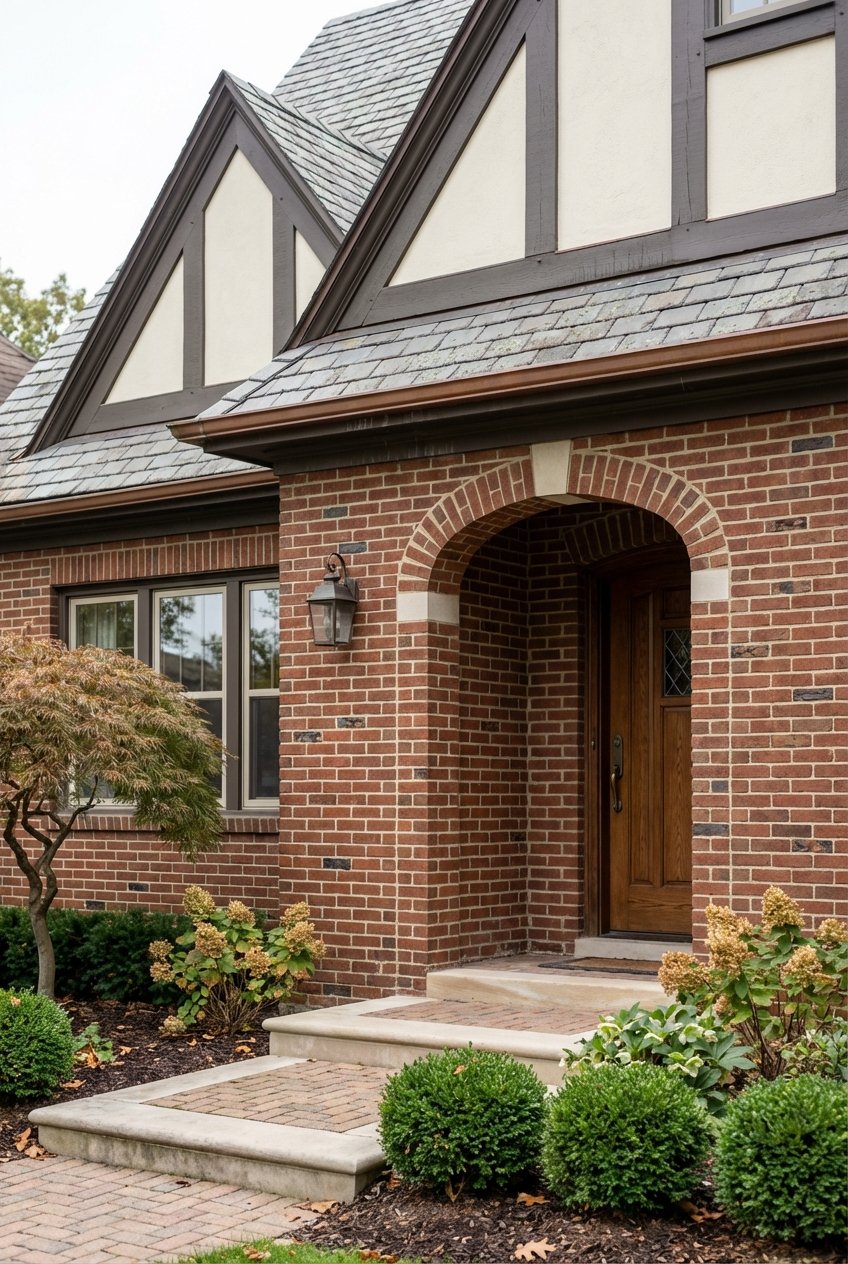
If you have ever admired Cleveland Park’s leafy streets and character-rich homes, you’re not alone. The neighborhood is a visual guide to American residential architecture from the 1880s through the early 1940s, layered with details that reveal how people lived then and how these homes live today. Whether you are buying, selling, or simply refining your eye, you can learn to spot each style and understand what it means for daily life and long-term stewardship. Let’s dive in.
Cleveland Park at a glance
Cleveland Park is a designated local historic district and is listed on the National Register of Historic Places. The district spans roughly 280 acres with about 1,100 resources and a period of significance from the 1880s into the early 1940s. The result is an unusually intact streetscape where late Victorian houses mix with early 20th-century bungalows, foursquares, and revival styles. You can see the full historical context in the Cleveland Park Historic District nomination, a detailed, block-by-block resource for owners and enthusiasts.
Two phases of development shaped what you see today. The area began as an upland summer-house retreat, then matured into a classic streetcar suburb as the Rock Creek line reached upper Connecticut Avenue. Hilly topography, generous setbacks, and frequent use of local Rock Creek granite for foundations give many streets a park-like feel and a sense of quiet order.
Key home styles to know
Below are the most common styles you’ll spot in Cleveland Park, with quick cues for identification, how each lives day to day, and where to look for local examples.
Queen Anne
This late 19th-century favorite is all about varied forms and handcrafted detail.
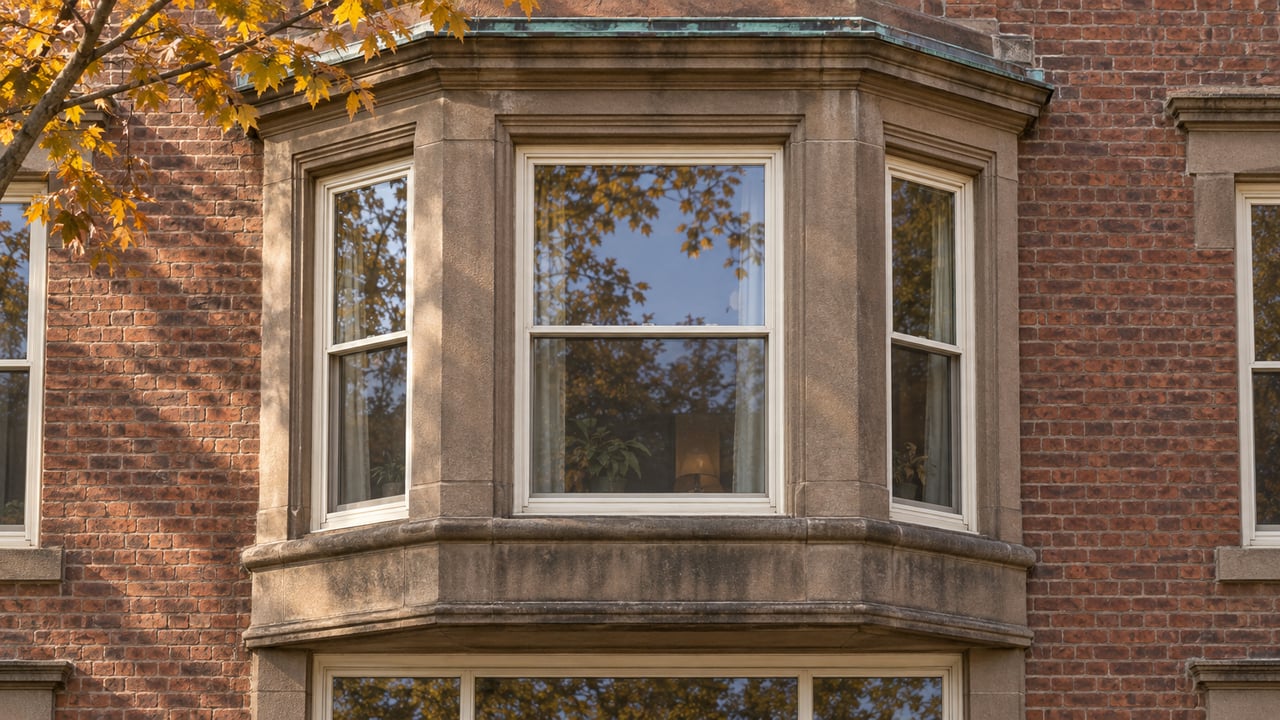
- Visual cues: asymmetrical facades, cross gables, patterned shingles, bay windows, wraparound or deep porches, and occasional corner towers.
- How it lives: rooms unfold as a sequence of formal and semi-formal spaces, with tall ceilings, decorative staircases, mantels, and built-ins. Expect more compartmentalization than later plans.
- Where to look: examples on Newark Street include 2941 Newark St. NW; another is 3315 Highland Place. These make great anchor points for a personal photo tour.
Mission Revival and Mediterranean
Introduced around the turn of the 20th century and into the 1920s, these houses offer warmth and simplicity.
- Visual cues: smooth stucco walls, low-pitched tile roofs or parapets, arched openings, and restrained ornament such as tile or ironwork.
- How it lives: interiors often feel solid and serene, with arched openings and deep window reveals. Stucco and clay tile bring a distinctive material character and call for attentive maintenance.
- Where to look: early Mission-influenced examples include 3432 Newark Street (c. 1897) and 3433 34th Street (1919).
Prairie-influenced American Foursquare
An early 20th-century workhorse that pairs clean lines with efficient plans.
- Visual cues: cubic, two-story massing with hipped roofs and wide eaves, porches on sturdy square piers, and a gentle horizontal emphasis. In Cleveland Park, think foursquares with Prairie flavor rather than high-style Prairie houses. For broader district context on these forms, see this overview of the Cleveland Park Historic District.
- How it lives: typically four practical rooms on each floor, with better circulation and simpler finishes than Victorian predecessors. They are well suited to modernized kitchens and attic or basement expansions.
- Where to look: common across side streets as the neighborhood moved toward simpler, standardized houses in the early 1900s.
Colonial Revival and Georgian Revival
A defining suburban idiom of the early 1900s to 1920s, these homes favor balance and restraint.
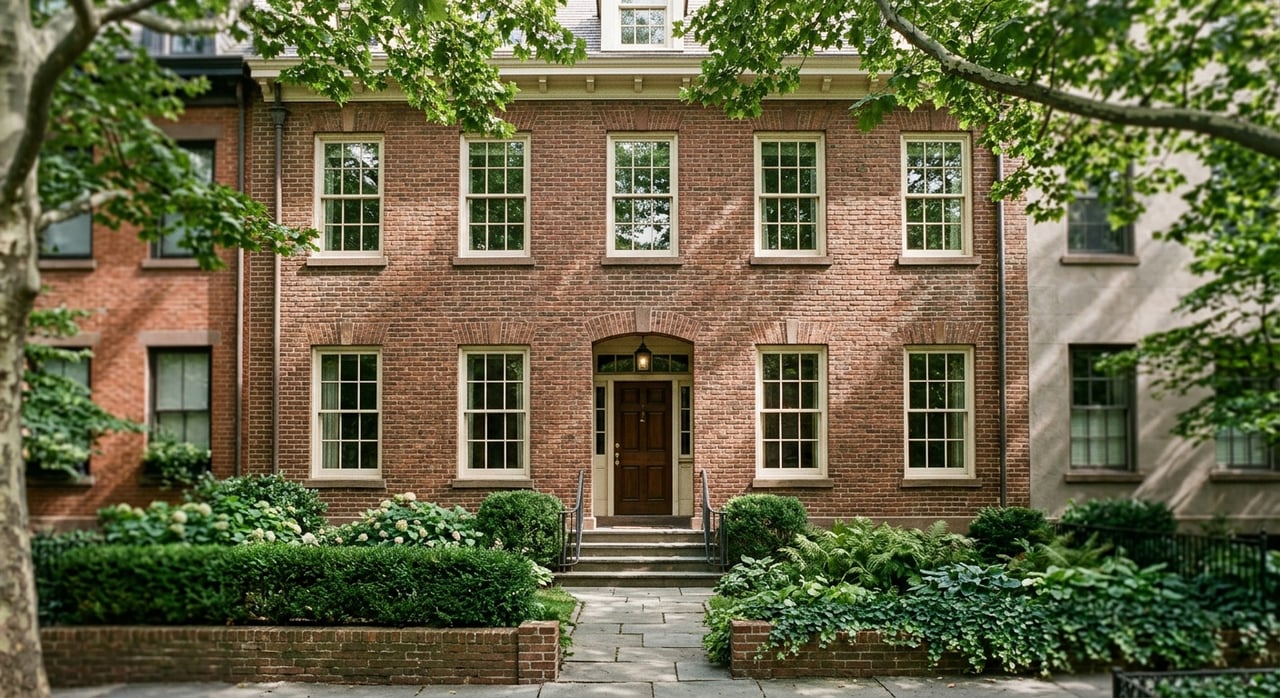
- Visual cues: symmetrical facades, centered entries with pediments or small columned porticos, multi-pane double-hung windows, and brick or clapboard exteriors.
- How it lives: formal central halls and balanced public rooms make gracious entertaining easy. The style’s enduring appeal also supports tasteful, period-appropriate updates.
- Where to look: broadly distributed across the neighborhood, often on generous lots with mature trees.
Tudor Revival
Quintessential 1920s and 1930s charm with storybook rooflines.
- Visual cues: steeply pitched cross gables, decorative half-timbering with stucco infill, tall chimneys, and narrow, grouped windows.
- How it lives: cozy rooms and cottage-like nooks lend intimacy. Steep roofs create atmospheric upper floors but can limit full-height attic conversions.
- Where to look: single-family examples appear on many side streets, and the Tudor-flavored Tilden Gardens apartments at 3000 Connecticut Avenue (built 1927–30) offer a landmark multi-unit reference within the district.
Craftsman and Bungalow
Comfort-forward design from the 1910s and 1920s that prizes natural materials and built-ins.
- Visual cues: low-pitched gable roofs, exposed rafter tails, tapered porch posts, and handcrafted details.
- How it lives: open or semi-open main floors with built-in bookcases and window seats. Often found on quieter streets and more modest lots, these homes live larger than they look.
- Where to look: scattered throughout the district, especially on side streets below Connecticut Avenue.
Wardman rowhouses, Art Deco, and Modern
Cleveland Park’s residential fabric blends seamlessly into a distinct commercial corridor along Connecticut Avenue, where you’ll find apartment buildings and early auto-era retail.
- Rowhouses and apartments: Developer Harry Wardman and contemporaries built brick rowhouses and low-rise apartments with rhythmic facades and projecting bays, adding urban texture along main and side streets.
- Landmark retail: The Park and Shop, designed by Arthur B. Heaton in 1930, is a nationally noted early auto-oriented neighborhood shopping center.
- Art Deco: Sedgwick Gardens (Mihran Mesrobian, 1931) showcases streamlined ornament and a memorable lobby.
- International/Modern: The district even includes modernist highlights such as I. M. Pei’s William L. Slayton House, underscoring the neighborhood’s stylistic range.
Materials, setting, and notable names
A few consistent elements tie the neighborhood together visually. Many frame houses rise from foundations of local Rock Creek granite. Curving side streets follow the natural terrain, and deep setbacks with mature trees create a calm, green backdrop. The development history also brings notable names: early developer John Sherman; architect Robert T. Head; Waddy B. Wood, who introduced Shingle and Mission variants; prolific builder-developer Harry Wardman; and modernist I. M. Pei.
If you want to go deeper, the Cleveland Park Historic District nomination is the definitive source for dates, addresses, and style inventories.
Preservation and permits in a historic district
Because Cleveland Park is a designated historic district, visible exterior changes typically require review before permits are issued. Porch reconstruction, primary-facade window replacement, new front dormers, or roofline changes usually go through the Historic Preservation Review Board and the DC Historic Preservation Office. Locally, the Cleveland Park Historical Society’s Architectural Review Committee provides valuable pre-application feedback and owner guidance.
- Start here: review the Cleveland Park Historical Society’s preservation guidance for how the process works and what to prepare.
- Know the city rules: DC’s Historic District Guidelines outline how the city approaches design in historic districts.
- Plan early: for any facade work, contact HPO and the neighborhood ARC early in your design phase. This saves time and helps align expectations.
Smart, sensitive upgrades for comfort
Owners often balance preservation with performance. DC’s sustainable retrofit guidance for older and historic buildings encourages reversible, visibility-sensitive upgrades.
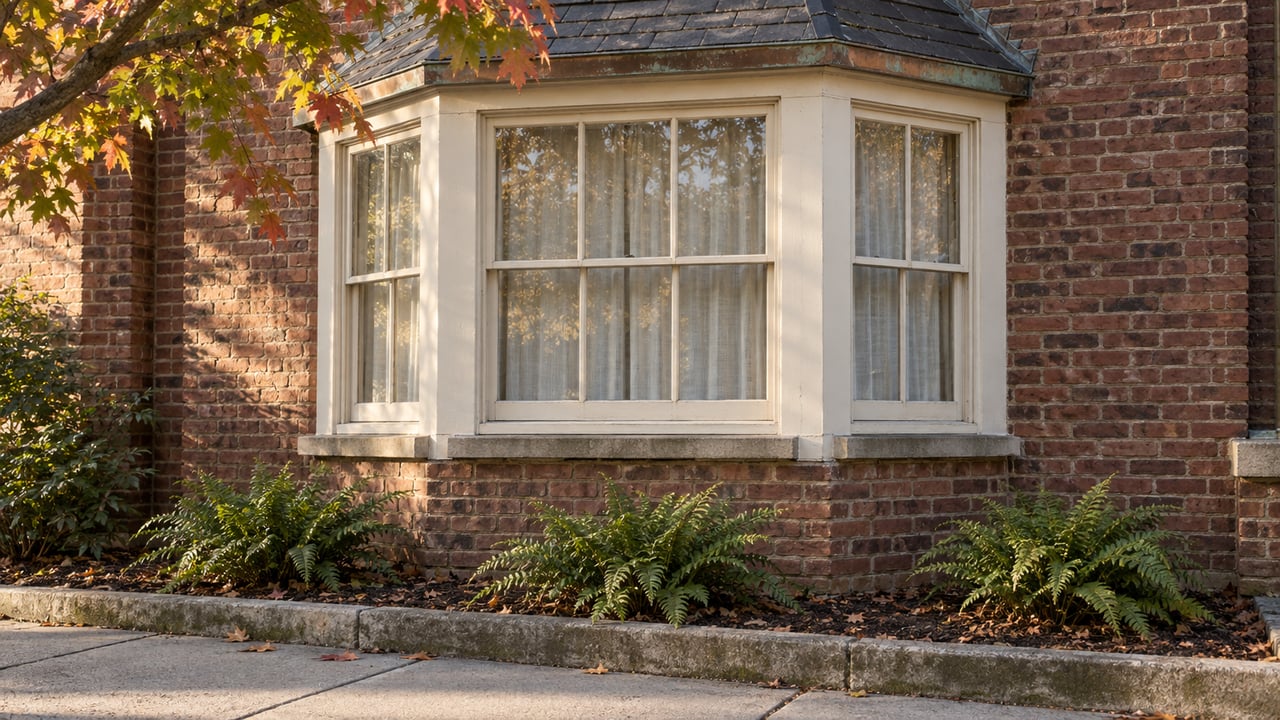
- Windows: repair original sashes and add storm windows instead of replacing primary facade windows.
- Solar: place panels on rear roof slopes or additions where they are less visible from the street.
- Insulation and air sealing: focus on targeted, reversible measures that do not compromise historic fabric.
For specifics, the Cleveland Park Historical Society’s sustainability guidelines are practical and detailed, with examples tailored to historic homes.
Maintenance cues by style and material
Attention to original materials pays off in both longevity and value. As you evaluate a home or plan work, consider the following:
- Wood-frame Queen Anne and Shingle: inspect porches, decorative millwork, and painted wood shingles. Maintain and weatherstrip original wood sashes where feasible.
- Stucco and tile (Mission/Mediterranean): watch for hairline cracking, check flashing at roof transitions, and budget for specialist clay tile roof care when needed.
- Slate or historic shingles: anticipate longer lifespans with higher maintenance costs, common on high-style Victorians and Tudors.
- Half-timbered Tudor: monitor wood-to-stucco junctions for moisture and ensure proper drainage.
- Brick and mortar: use compatible mortar for repointing. Hard, Portland-cement mortars can damage older, softer brick.
What to look for at a showing or in photos
A quick, trained eye can tell you a lot about condition and authenticity.
- Roof and flashing: note the primary roof covering, overall profile, and any patchwork that hints at past leaks.
- Porches: check sills, posts, and whether decorative elements look original or like later replacements.
- Windows: test operation where possible and look for paint-seized sashes or added storms.
- Moisture clues: scan basements and around chimneys for staining, bubbled paint, or prior repairs.
- Apartments and storefronts: along Connecticut Avenue, look for original lobby or facade details. Sedgwick Gardens is a great Art Deco reference, and the Park and Shop illustrates early auto-era retail planning.
Partner with local expertise
Choosing or presenting a home in Cleveland Park is as much about architecture as it is about strategy. If you are weighing updates before selling, seeking a period-correct renovation plan, or scouting for a particular style on a quiet side street, experienced guidance makes the difference. For discreet advice, curated buying and selling strategies, and nuanced positioning of historic properties, connect with the Nancy Taylor Bubes Team. Request a private consultation.
FAQs
What makes Cleveland Park a historic district in DC?
- It is a designated local and National Register historic district covering about 280 acres with 1,100 resources and a significance period from the 1880s to early 1940s, as documented in the district nomination.
Which Cleveland Park home styles feel most adaptable for modern living?
- American Foursquares and Craftsman/Bungalows often offer efficient plans, easier kitchen modernizations, and flexible attic or basement conversions compared with more formal Victorian layouts.
Do I need approval to replace front windows in Cleveland Park?
- Yes, primary-facade changes typically require historic review; owners are encouraged to repair original sashes and add storms, and to contact HPO and the neighborhood ARC early in the process.
Are solar panels and energy upgrades allowed on historic homes in Cleveland Park?
- Yes, when sensitively placed and reversible; guidance recommends locating panels on rear roofs and favoring repairs and storm windows over visible replacements on front elevations.
Where can I see Art Deco architecture in Cleveland Park, DC?
- Sedgwick Gardens on Connecticut Avenue is a noted Art Deco apartment building, and the commercial corridor includes the early auto-era Park and Shop; both are useful visual touchpoints.