Looking for rare estate-scale privacy without leaving the city? If you are considering an address near the Washington National Cathedral, Massachusetts Avenue Heights belongs on your short list. You want clear facts on location, lot profiles, architecture, market scale, and the due diligence that protects a high-end purchase. This guide distills what matters so you can move forward with confidence. Let’s dive in.
Location and footprint
Tucked along the high ridge around the National Cathedral, Massachusetts Avenue Heights is a compact residential wedge in upper Northwest DC. It is commonly described as bounded by Woodley Road to the north, Massachusetts Avenue to the south and southwest, 34th Street NW to the east, and Wisconsin Avenue to the west. You can confirm this neighborhood context through published overviews of Massachusetts Heights.
The Cathedral Close dominates the area’s northern footprint. The campus is widely reported as roughly 57 to 59 acres and shapes local traffic and access patterns. For a sense of scale and activity, review the Cathedral grounds and visitor information.
Civically, the enclave sits in Ward 3 within Advisory Neighborhood Commission 3C, which covers Cleveland Park, Massachusetts Heights, and nearby areas. Local projects and public space matters often benefit from early engagement with ANC 3C.
Street pattern and daily rhythm
The residential section is not a cut-through grid. Expect a small network of winding, wooded streets, limited through traffic, and few internal commercial uses. Shopping and dining are concentrated in Cleveland Park, Woodley Park, and Cathedral Commons. Neighborhood profiles often highlight this secluded feel; see the Massachusetts Heights local guide for a broad primer.
Estate profiles: lots, homes, and amenities
Parcels here tend to be larger than the DC norm. Many lots range from roughly a quarter acre to a half acre, with some larger. Irregular shapes, grade changes, and mature tree canopy are common, which can enhance privacy and influence landscaping, drainage, and foundation planning. The local guide overview offers a useful orientation on lot characteristics.
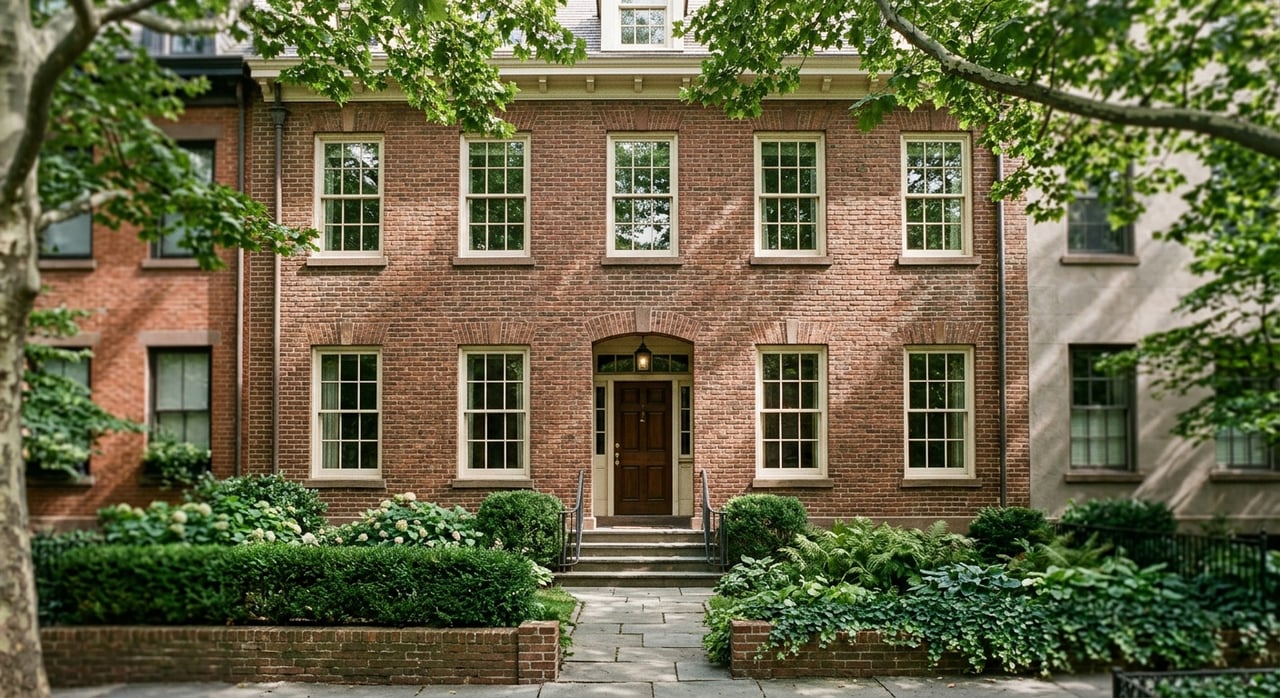
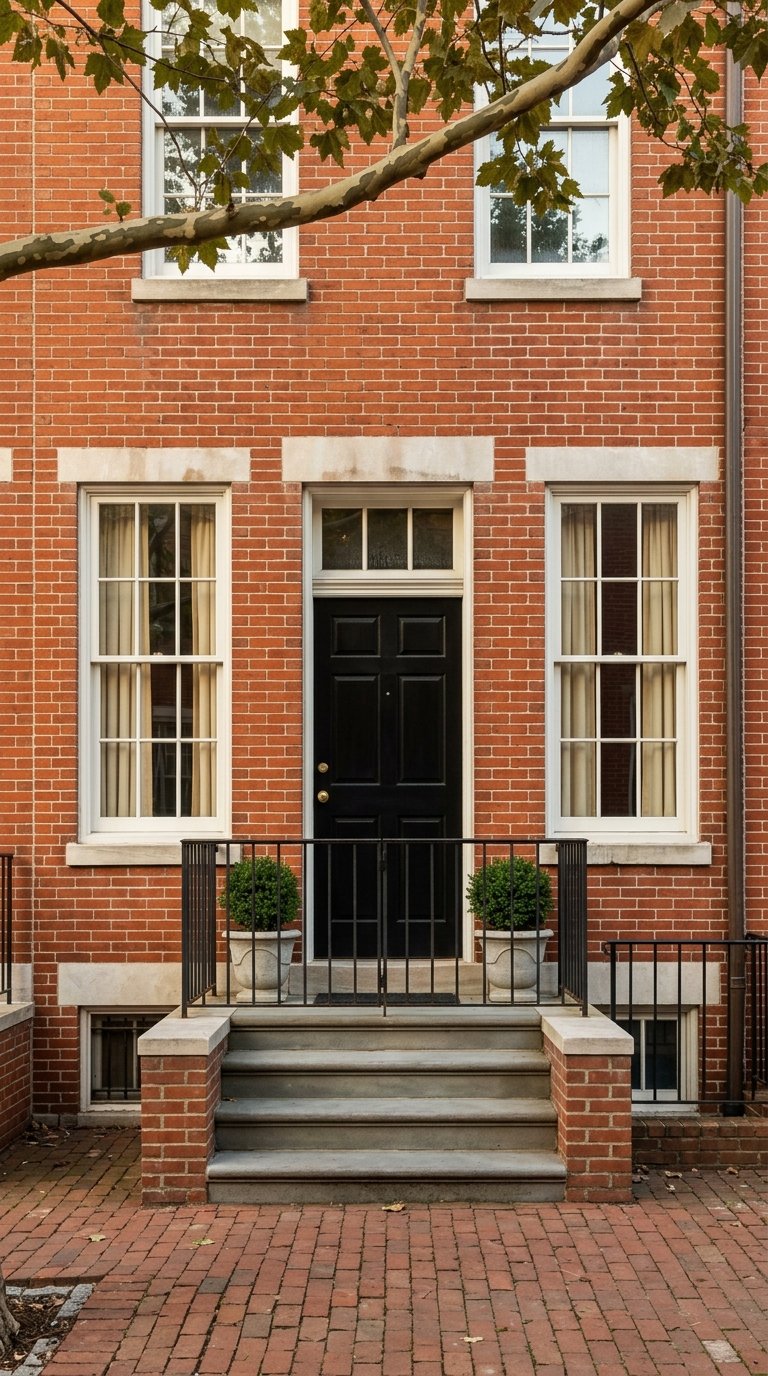
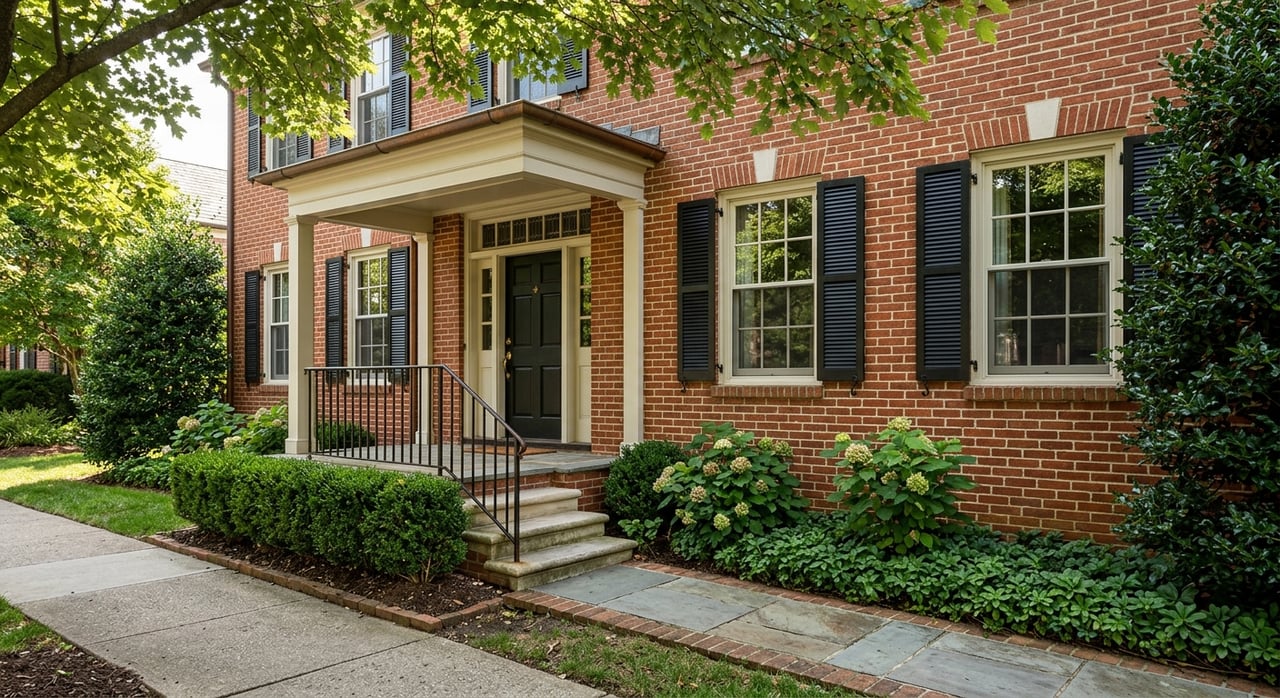
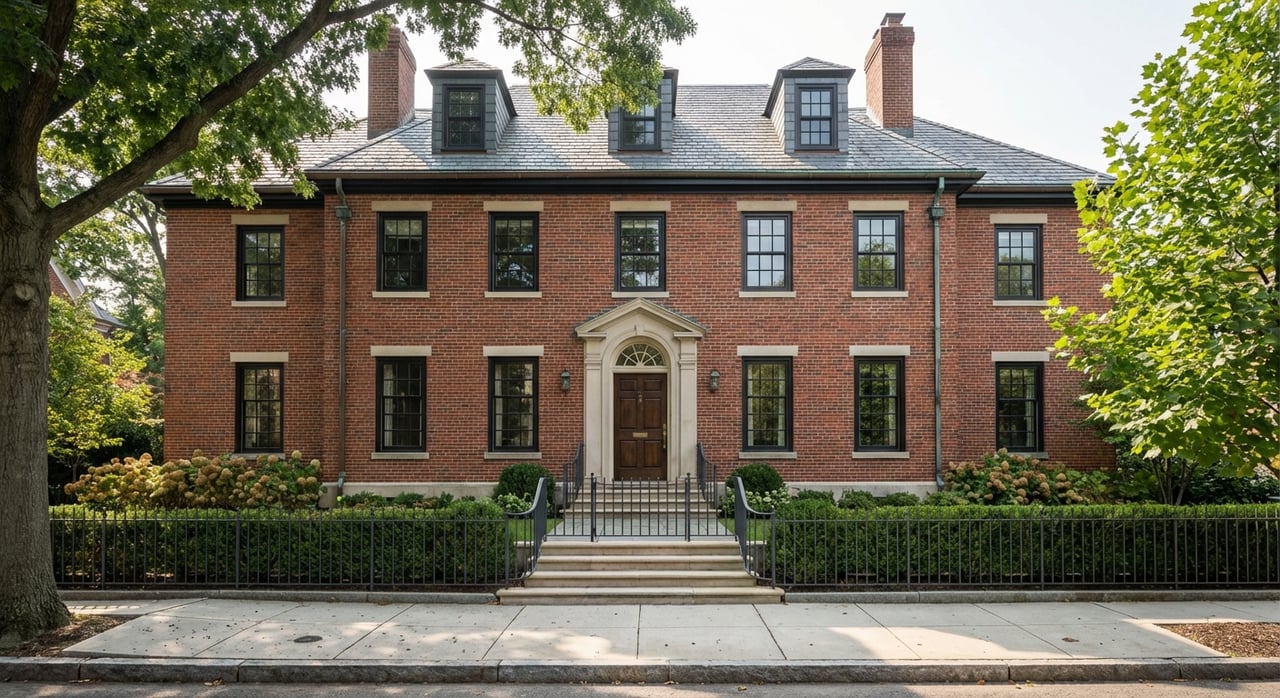
Most properties are substantial detached single-family estates, often 3,000 to 8,000+ square feet across multiple levels. Much of the housing stock predates 1930, with later renovations and select newer construction on larger parcels. Architectural character skews historic revival, including Colonial and Georgian Revival, Tudor Revival, Beaux-Arts and Neoclassical mansion forms near Massachusetts Avenue, plus Mediterranean and French Normandy influences. You can survey style patterns in this architectural styles overview for Massachusetts Avenue Heights.
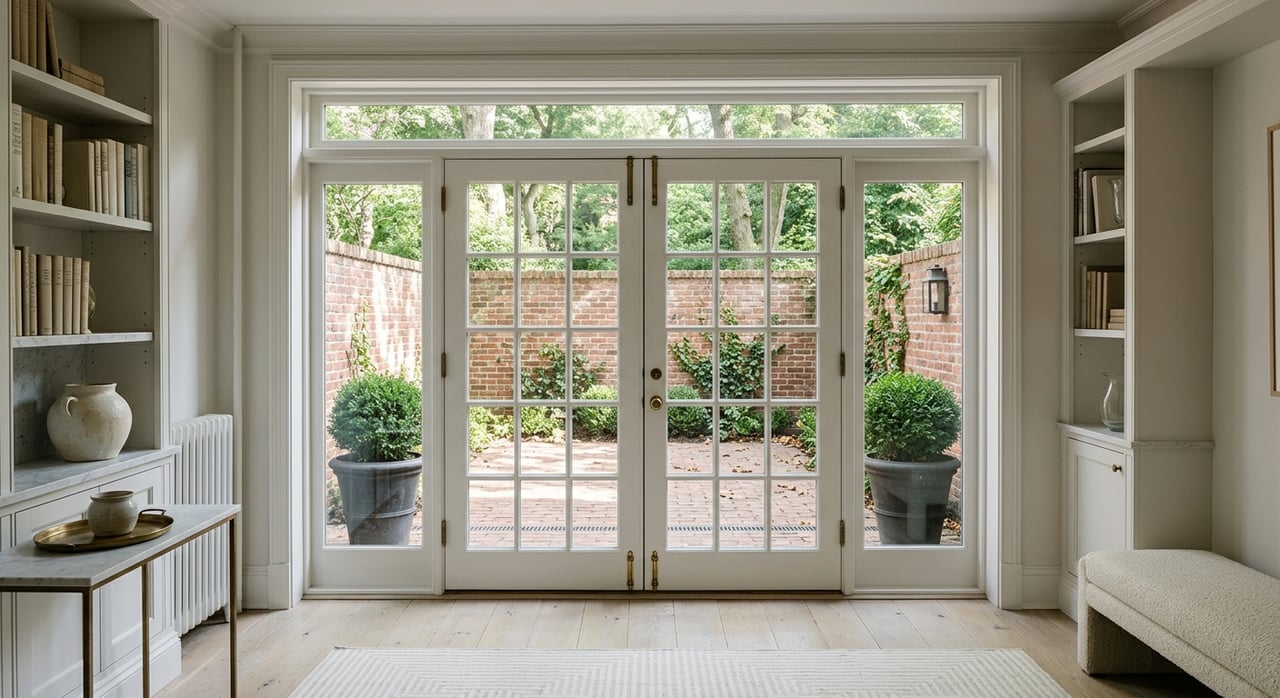
On-site amenities often include gated drives or deeper setbacks, mature landscaping, terraced gardens, screened porches, rear terraces, pools, and in some cases separate guest or carriage houses. Recent listing photography in the neighborhood illustrates these features well, such as this renovated 1920s Colonial with a pool at 3503 Fulton St NW.
Market snapshot and examples
Turnover is limited in this small enclave, and individual sales can shift neighborhood medians. Reported recent examples include a renovated 1920s Colonial on Fulton Street closing around $5.1 million in 2024, a large 1920s property on 35th Street trading around the high $3 millions in 2024, and another sizable single-family sale on 35th Street reported in the mid to high $2 millions in 2025. Inventory runs from the low to high millions, with exceptional properties on or near Massachusetts Avenue reaching higher price points.
Because parcels are heterogeneous, best practice is to confirm true comparables with a Bright MLS pull tailored to the exact property and ANC squares. Public portals can illustrate general scale, but small differences in architecture, siting, and lot specifics can materially affect value.
How it differs from nearby areas
Massachusetts Heights vs. Cleveland Park. Massachusetts Heights offers a tiny, private, estate-scale wedge with heavier tree cover and limited internal retail. Cleveland Park is a larger historic district with a Connecticut Avenue commercial corridor, varied housing types, and a different review environment for exterior changes. The local guide captures this contrast well.
Massachusetts Heights vs. Observatory Circle. The Observatory Circle area has a more pronounced diplomatic and government presence, including embassy residences and the Vice President’s official residence, which can influence access and neighborhood temperament. Massachusetts Heights sits adjacent yet retains a residential, park-like estate character. For context on the broader diplomatic corridor, see the summary of Massachusetts Avenue and Embassy Row.
Due diligence checklist for estate buyers
Before you write an offer, prioritize these checks to avoid surprises:
Boundaries and survey. Order a current ALTA/NSPS survey to verify lot lines, acreage, and topography. Irregular shapes and slopes can affect terracing, retaining walls, and drainage.
Zoning and FAR. Confirm zoning, FAR, and any overlays using the official D.C. Zoning Map. If you plan changes, consult the Office of Zoning and engage ANC 3C early.
Historic status. Verify with the Historic Preservation Office whether the property is individually landmarked or within a district, and plan for design review lead times where applicable. Start with HPO’s public resources, such as this HPO information page.
Structure and systems. Many homes predate 1930 and have seen phased renovations. Use inspectors experienced with older estates to evaluate foundations, historic masonry, roof framing, and HVAC distribution, and to screen for possible asbestos or lead paint where relevant.
Trees and stormwater. The ridge and canopy can drive site-work needs. Consider a tree assessment and plan for downspout routing, drainage improvements, and potential root-zone considerations. The Cathedral Close grounds provide useful context for the area’s mature landscape.
Event and traffic overlays. The Cathedral and nearby diplomatic institutions host events that can temporarily influence traffic, parking, or security presence. Ask sellers about typical patterns and review public event calendars.
Schools and services. Private schools on the Cathedral Close are adjacent and valued by many buyers. For public schools, confirm assignments directly with DCPS for the specific address and year, since boundaries can change.
Security and access. Proximity to embassy properties and the Naval Observatory can mean occasional security measures or parking adjustments during events. Check with local ANC and MPD contacts for typical patterns.
Market and comps. Rely on a buyer’s agent who knows high-end NW DC estates and can produce a Bright MLS report tailored to the immediate area. Public portals are helpful for examples but are not a substitute for a formal CMA.
Local civic process. Introduce yourself early to the appropriate ANC 3C representative for your single-member district. Their input often matters for exterior projects and public space uses. Start with ANC 3C’s boundaries and contacts.
Lifestyle and green space
You are close to cathedral grounds, neighborhood parks, and major park systems while still being minutes to established retail corridors nearby. For weekend recreation, consult the National Park Service page for Rock Creek Park to explore trails, nature areas, and programing.
Smart buying strategy
In a neighborhood this small, preparation is everything. Work with an advisor who knows the enclave, monitor micro-level comparables, and be ready with a survey and inspections early in your contingency period. If you plan changes, line up an architect and contractor who understand older DC estates, and confirm zoning and any preservation requirements before you finalize your renovation scope.
Ready to explore private or coming-soon options and map a plan for your purchase? Connect with the Nancy Taylor Bubes Team to Request a private consultation.
FAQs
What and where is Massachusetts Avenue Heights in DC?
- It is a small residential enclave near the National Cathedral, commonly bounded by Woodley Road, Massachusetts Avenue, 34th Street NW, and Wisconsin Avenue. It sits within Ward 3 and ANC 3C.
What types of estates are typical in Massachusetts Avenue Heights?
- Expect larger lots than the DC norm, substantial detached homes often 3,000 to 8,000+ square feet, and historic revival architecture with mature landscaping, terraces, and occasional pools or guest houses.
How active is the market and what do homes cost?
- Turnover is limited, and prices span the low to high millions, with exceptional properties trading higher. Individual sales can shift medians, so rely on a tailored Bright MLS comparable set.
What due diligence should I complete before offering?
- Verify a current ALTA/NSPS survey, confirm zoning and any historic status, order specialized inspections for older homes, and review event, traffic, and parking patterns tied to nearby institutions.
How does Massachusetts Avenue Heights compare to Cleveland Park?
- Massachusetts Avenue Heights offers a more secluded, estate-scale setting with limited internal retail. Cleveland Park is larger with a commercial corridor and a broader mix of housing types and historic-district considerations.