Kalorama or Dupont Circle: which one feels like home to you? Both are central, coveted corners of Northwest DC, yet the day-to-day experience could not be more distinct. If you are weighing quiet prestige against energetic convenience, you are asking the right question. In this guide, you will compare setting, housing, lifestyle, transit, and renovation considerations so you can choose with clarity. Let’s dive in.
Kalorama at a glance
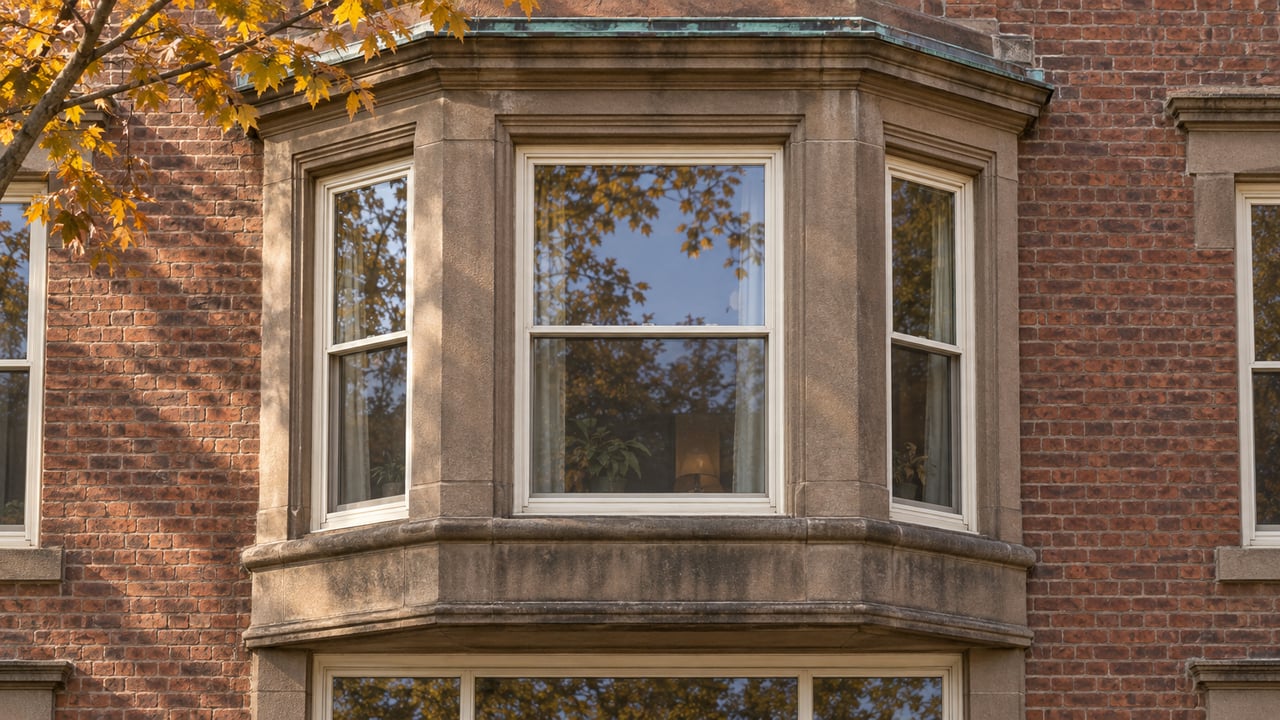
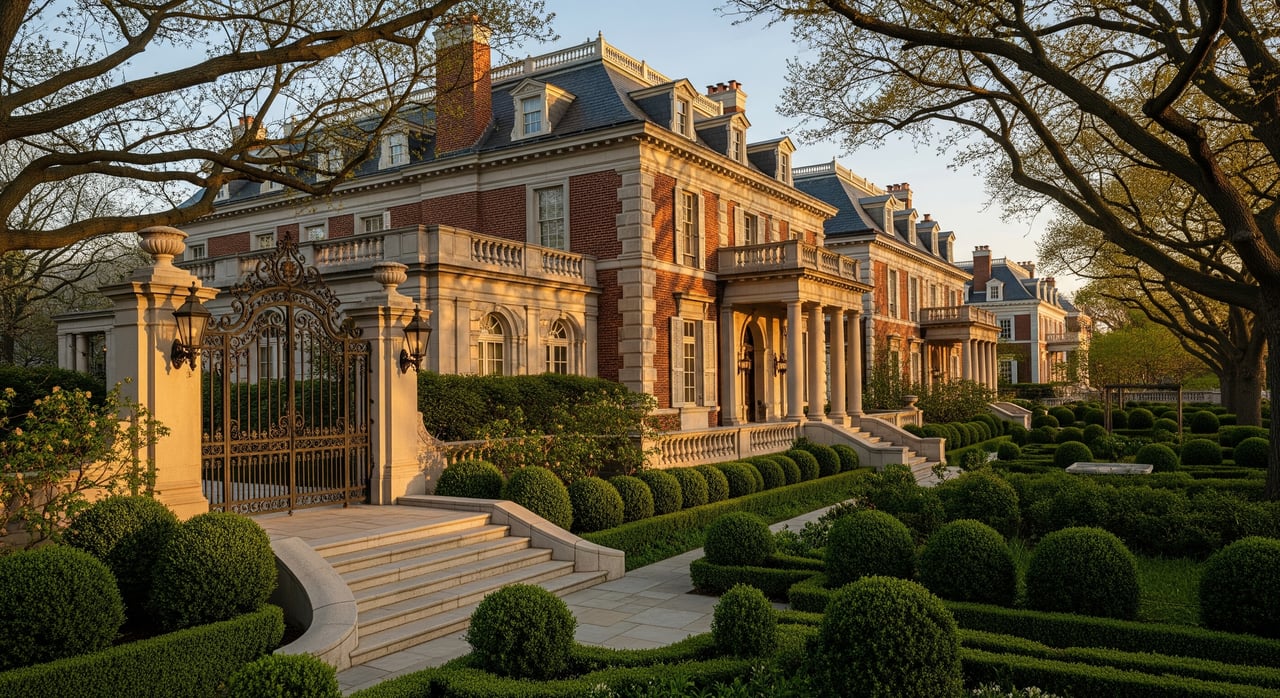
Kalorama is known for elegant streets, historic mansions, and a calm, residential rhythm. You will see Beaux-Arts and Georgian Revival architecture, embassy residences along Massachusetts Avenue, and leafy blocks that feel removed from the commercial bustle.
Many properties sit within the Sheridan-Kalorama or Kalorama Triangle historic districts. That heritage helps preserve the neighborhood’s character. You are also close to Rock Creek Park and the National Zoo, with the Woodrow Wilson House highlighting the area’s history.
There is no Metro station within Kalorama. Depending on where you live, you will walk or ride to Dupont Circle or Woodley Park on the Red Line. That extra step is part of why the streets stay quiet.
Dupont Circle at a glance
Dupont Circle is active and mixed-use, centered on its namesake park and the commercial corridors along 17th Street, Connecticut Avenue, and the nearby 14th Street spine. You will find restaurants, bookstores and galleries, coffee shops, and a steady urban hum throughout the day and evening.
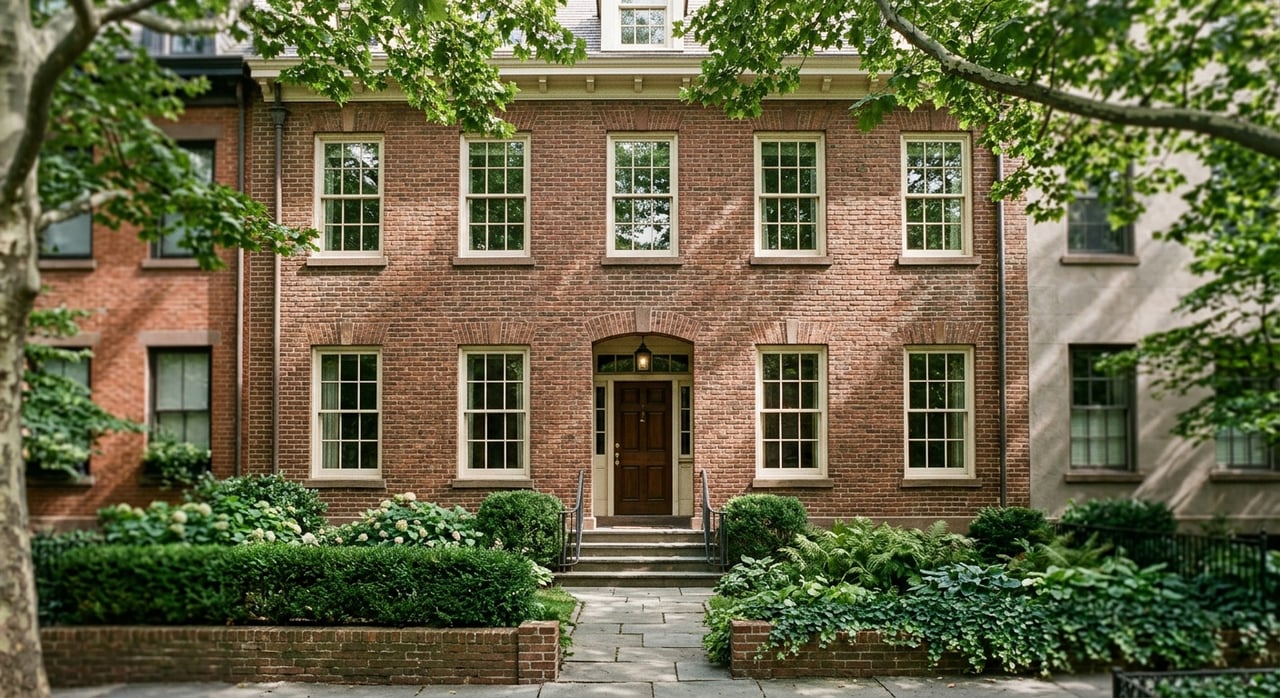
Architecture here ranges from late-19th-century rowhouses to low- and mid-rise apartment buildings and many condominium conversions. Street-level retail is common, so daily errands are within an easy walk.
Transit is a standout. The Dupont Circle Metro station on the Red Line anchors the neighborhood and simplifies commutes across the city and region.
Housing and market dynamics
Both neighborhoods are desirable, but the mix of homes and the way they trade differ in meaningful ways.
What you will find in Kalorama
- Large single-family mansions, freestanding homes, and embassy residences.
- High-end condos, often within converted historic buildings, plus occasional carriage houses.
- A higher share of owner-occupied properties and longer ownership tenures, which means fewer listings at any given time.
- Unique homes that can require more nuanced pricing, appraisal, and financing strategies due to limited comparable sales.
What you will find in Dupont Circle
- Brick rowhouses and townhomes in varied sizes and conditions.
- Walk-up apartments and mid- to high-rise condominiums, including many conversions of older buildings.
- A larger pool of condos and rentals that creates higher turnover and more frequent listings.
- Generally faster-moving inventory and broader liquidity, which can simplify financing and appraisals.
Affordability and selection
- Kalorama ranks among DC’s most expensive areas on a per-property basis because of its larger single-family homes and embassy-scale residences. Selection is limited at any one time.
- Dupont Circle spans a wider range of price points, from studio condos to substantial townhomes, which can help you match budget with location and lifestyle.
Lifestyle and amenities
You can live car-light in either neighborhood, but the feel on the street is different.
Walkability and daily errands
- Dupont Circle has a concentrated retail core, so groceries, pharmacies, gyms, and services are often within a few blocks of home.
- Kalorama is more residential. You will rely on nearby corridors such as Connecticut Avenue, 16th Street, and Dupont’s edges for dining and shopping.
Dining, culture, and nightlife
- Dupont Circle offers a wide mix of restaurants, bars, coffee shops, and galleries, plus the Phillips Collection and frequent cultural activities.
- Kalorama keeps evenings quieter. Dining options cluster just outside the neighborhood, which helps maintain its calm within the residential blocks.
Green space and quiet
- Kalorama borders larger green corridors. Rock Creek Park and the Zoo trails are close, and many streets are tree-lined with a serene feel.
- Dupont Circle Park is a lively focal point with regular activity and a seasonal farmers market nearby. It is great for people-watching and quick breaks.
Embassies and activity
- Kalorama’s embassy presence brings prestige and a visible security posture, along with occasional diplomatic activity that can affect traffic on select streets.
- Dupont Circle has some diplomatic properties too, yet the neighborhood reads as more commercial and event-oriented overall.
Transit and parking
Metro and commute
- Dupont Circle: The Red Line station is central, which can cut commute times and reduce reliance on rideshares.
- Kalorama: You will use nearby Red Line stations in Dupont Circle or Woodley Park. Plan for a short walk or ride, especially in inclement weather.
Car ownership and parking
- Both neighborhoods have residential permit zones and limited street parking. Always read block-specific signage and understand DC’s Residential Parking Permit rules before you buy.
- Some Kalorama properties, especially larger single-family homes, include private driveways or garages. Many rowhouses or condo conversions in both areas do not.
- Dupont’s commercial blocks include meters and busier curbside turnover, which affects guest parking and loading.
Historic districts and renovations
Many properties in both neighborhoods fall within local and national historic districts. If you are considering exterior changes, additions, or demolition, you should expect review by DC’s Historic Preservation Office and possibly the Historic Preservation Review Board. Interior updates are common, but exterior alterations and streetscape elements are closely managed to protect neighborhood character.
Plan for added time and design costs if your project touches the exterior envelope, visible roofs, windows, or façades. If you are exploring a condo in a converted mansion, confirm what the association controls versus what is yours to modify.
Ownership costs to plan for
- Condos in Dupont Circle: Monthly association fees vary and typically cover building maintenance, reserves, and services. These fees affect your overall carrying cost and mortgage qualification.
- Larger homes in Kalorama: Expect higher ongoing maintenance for roofing, masonry, HVAC, and landscaping. Insurance and specialized contractors for historic materials can also influence your budget.
- Financing and appraisal: Condos and conventional townhomes in Dupont Circle often appraise and underwrite more easily. One-of-a-kind properties in Kalorama sometimes require more time and documentation due to limited comparable sales.
Which neighborhood fits you
Use this quick, buyer-focused lens to test your priorities.
You may prefer Kalorama if you
- Want a quiet, prestigious, residential address with architectural significance.
- Value privacy, embassy-adjacent streets, and quick access to Rock Creek Park.
- Plan to purchase a larger home or a distinctive condo and are comfortable with historic-district guardrails.
- Do not require a Metro station at your doorstep and prefer calmer streets.
You may prefer Dupont Circle if you
- Want immediate Metro access and short, straightforward commutes.
- Prefer a wide range of homes, from studios to townhomes, with more active inventory.
- Enjoy a lively dining, cultural, and nightlife scene within a few blocks.
- Like the energy of mixed-use streets and the convenience of daily errands on foot.
On-the-ground checklist
Before you decide, test the neighborhoods the way you plan to live.
- Walk sample blocks at different times, including a weeknight and a weekend morning, to feel street life, noise, and parking availability.
- Explore representative homes: a Kalorama single-family, a Dupont rowhouse, and condos in both areas, so you understand layouts, light, and finishes common to each.
- Map your typical commute using Metro and bus routes, then repeat it during rush hour.
- Confirm historic-district status for any property you are considering and outline what changes are subject to review.
- Review building documents if you are buying a condo, including reserves, pending assessments, and rules on renovations or pets.
- Check public school assignment for a specific address and review nearby private school options if those are in your plan.
- Review recent neighborhood crime data for the blocks you are evaluating and note any patterns tied to nightlife or events.
- Study residential parking permit rules and curb regulations on your target streets.
Next steps
Choosing between Kalorama and Dupont Circle is less about which is better and more about which aligns with how you live. If you want privacy, architectural pedigree, and park-side calm, Kalorama stands out. If you prioritize transit, variety, and a vibrant street scene, Dupont Circle is hard to beat. The right purchase blends place, property type, and timing.
When you are ready, we can tailor a search to your criteria, preview on- and off-market options, and advise on the nuances that matter most, from historic review to appraisal strategy. For a discreet, data-informed plan that fits your goals, connect with the Nancy Taylor Bubes Team.
FAQs
What is the key difference between Kalorama and Dupont Circle for daily life?
- Kalorama offers quiet, residential streets with fewer storefronts, while Dupont Circle delivers a lively, mixed-use environment with more retail, dining, and cultural options within a short walk.
How does Metro access compare between Kalorama and Dupont Circle in DC?
- Dupont Circle has a central Red Line station that simplifies commutes. Kalorama residents typically walk or take a short ride to the Red Line at Dupont Circle or Woodley Park.
What renovation rules should I expect in Kalorama and Dupont Circle historic districts?
- Exterior changes, additions, or demolition often require review by DC’s Historic Preservation Office or the Historic Preservation Review Board, so plan for design approvals and longer timelines.
What home types are most common in Kalorama versus Dupont Circle?
- Kalorama features large single-family homes, embassy residences, and high-end condo conversions, while Dupont Circle offers rowhouses, walk-up apartments, and many condominiums across a range of sizes.
How do noise and activity levels differ in Kalorama and Dupont Circle at night?
- Dupont Circle’s nightlife corridors draw more late-evening foot traffic and sound, while Kalorama’s residential blocks are generally quieter, with occasional diplomatic activity affecting select streets.
Is parking typically easier in Kalorama or Dupont Circle for residents and guests?
- Both areas rely on residential permits and have limited curb space. Some larger Kalorama homes include driveways or garages, while Dupont’s commercial blocks include meters and higher turnover.
What is the resale outlook for condos in Dupont Circle versus unique homes in Kalorama?
- Dupont condos and conventional townhomes tend to have broader buyer pools and faster liquidity, while singular properties in Kalorama can retain long-term value but may require longer marketing periods and specialized pricing.