Thinking about selling in Wesley Heights and wondering if a pre‑listing inspection is worth it? You are not alone. In a neighborhood with many early‑to‑mid‑20th‑century homes and refined buyers, knowing your home’s condition can shape your strategy and your final outcome. In this guide, you will learn what a pre‑listing inspection covers, how it can help or hinder your sale, what it costs, and a simple framework to decide if it is right for you. Let’s dive in.
What a pre‑listing inspection is
A pre‑listing inspection is a home inspection you order before your home goes on the market. It mirrors a standard buyer’s inspection and gives you an objective picture of your home’s condition.
A typical general inspection reviews the roof, foundation, framing, exterior, interior, plumbing, electrical, HVAC, attic, and insulation. You receive a written report with photos and a list of defects categorized by severity, plus recommendations for repairs or further evaluation.
You can also add targeted tests based on your home’s age and systems:
- Sewer scope
- Pest and wood‑destroying insect inspection
- Radon test
- Chimney inspection
- HVAC or boiler service inspection
- Roof evaluation
- Mold or moisture assessment if indicated
- Lead‑based paint risk assessment for pre‑1978 homes, along with the required federal lead disclosure
Benefits for Wesley Heights sellers
A pre‑listing inspection can offer meaningful advantages, especially with older or distinctive properties.
- Fewer surprises and renegotiations. You learn about issues buyers will likely find, so you can choose repairs, credits, or pricing adjustments before offers arrive.
- Faster, cleaner closings. Addressing problems early can shorten inspection periods and reduce last‑minute delays.
- Pricing with support. An inspection report helps you set realistic expectations and justify your pricing strategy.
- Marketing confidence. Sharing a report can demonstrate transparency and build trust, which is helpful with higher‑price or unique homes.
- Control over repairs. If you decide to fix items, you choose the contractors and schedule, rather than rushing under contract pressure.
- Early identification of major defects. Structural, roofing, or safety items can be evaluated and bid properly, including permits if needed.
- Strategic clarity. You can decide to sell “as is” or invest in targeted improvements to maximize proceeds.
Potential drawbacks and risks
Pre‑listing inspections are not always the right move. Consider the trade‑offs.
- Upfront cost. Whole‑house inspections commonly run about $300 to $700, and each add‑on test can add $100 to $400. Larger or older homes in Washington, DC, often fall toward the higher end.
- Disclosure obligations. Once you know about a defect, you will need to decide whether to repair it, credit it, or disclose it and proceed. District of Columbia sellers have disclosure duties, and federal law requires lead disclosures for pre‑1978 housing.
- Buyer reaction risk. A report that lists major defects may deter some buyers or invite larger credit requests.
- Time to coordinate. Scheduling inspections and repairs can delay your listing if you want everything complete before going live.
Local factors in Wesley Heights
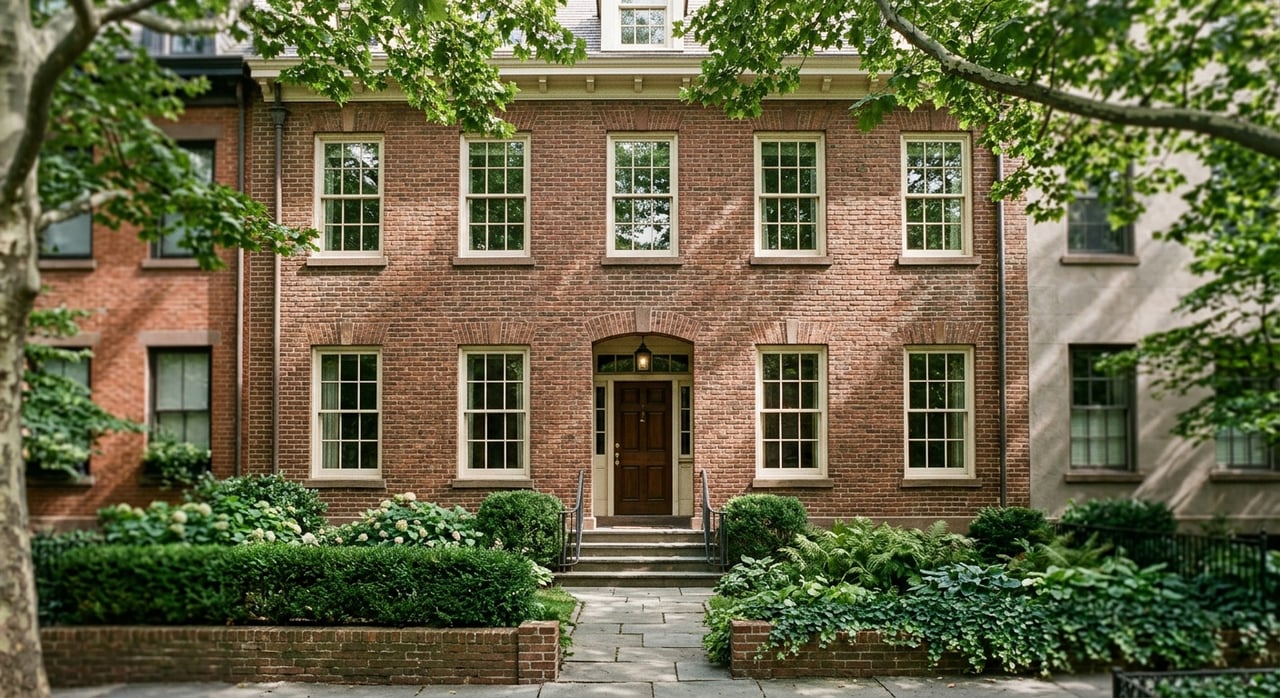
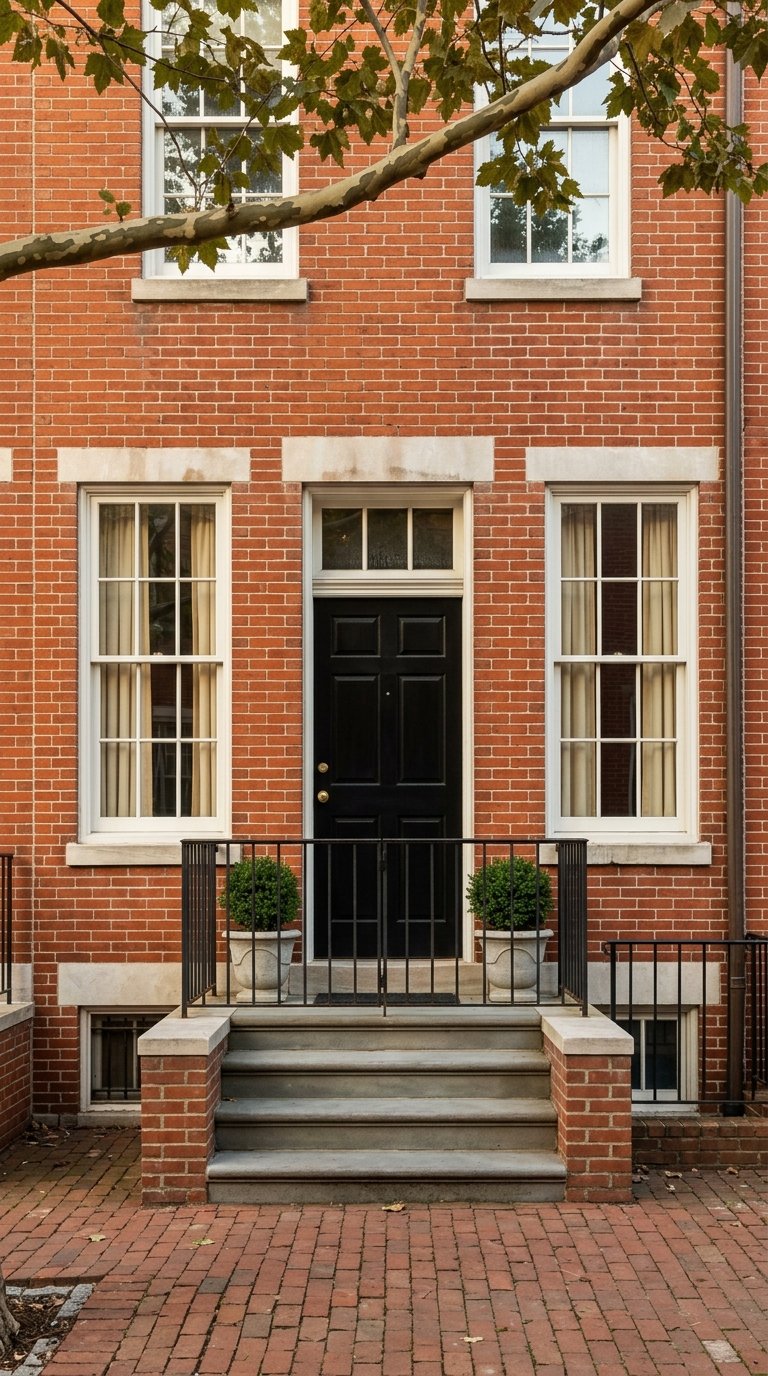
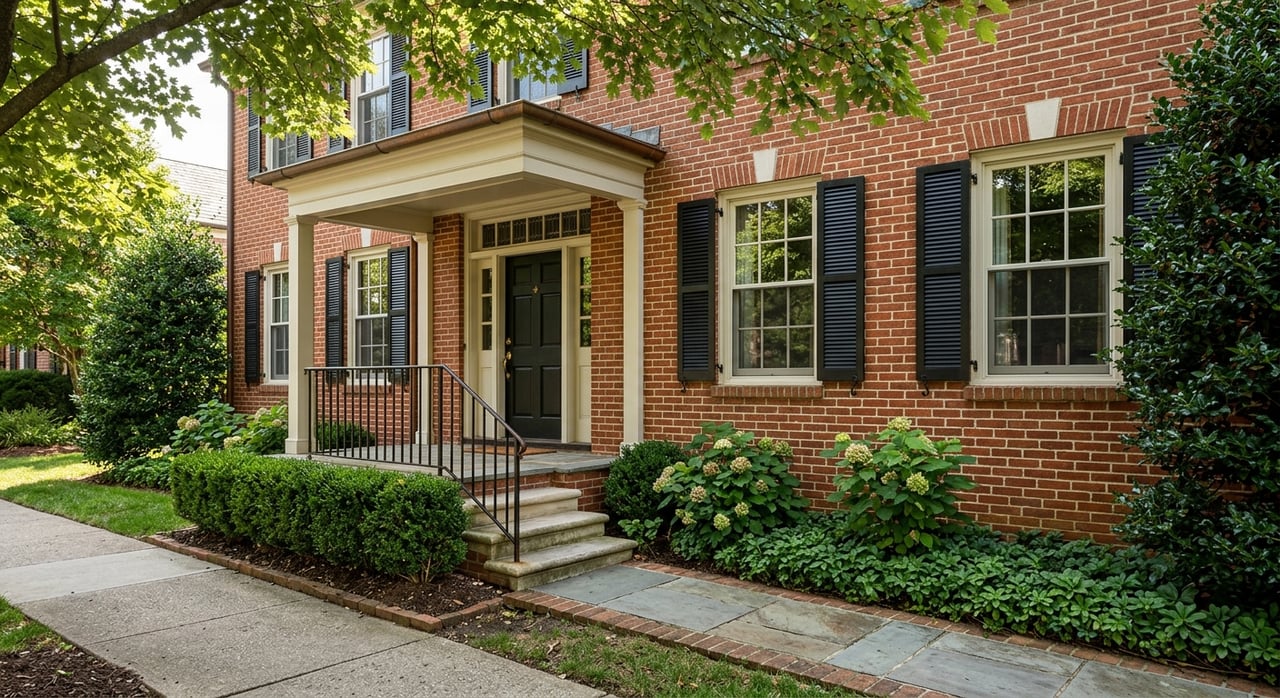
Wesley Heights includes a mix of larger, established single‑family homes and some multifamily properties. Older construction can bring common inspection findings such as aging roofs, vintage plumbing or electrical systems, older heating equipment, and localized moisture or foundation concerns. Mature trees can affect roofs, gutters, and drainage.
If your home was built before 1978, federal rules require you to deliver a lead‑based paint disclosure and the approved lead safety pamphlet to buyers. District of Columbia seller disclosure requirements also apply. Your listing strategy should account for these obligations and for any repairs that may require permits with the DC Department of Buildings.
Market tempo matters. In a fast seller’s market with multiple offers, you may elect to skip a pre‑listing inspection to avoid highlighting issues that buyers might otherwise overlook. In a slower market or when marketing a high‑value or unique property, transparency can help you stand out and keep negotiations on track.
When a pre‑listing inspection is worth it
You are more likely to benefit if one or more of these apply:
- The home is older or shows deferred maintenance.
- You expect buyers who value transparency and documentation.
- You plan to price at the top of the range and want condition support.
- You prefer to control repair quality, costs, and timing.
- You suspect red‑flag systems like an aging roof, older wiring, or moisture issues.
When to skip or scale back
Consider holding off or limiting scope if:
- The market is extremely hot and buyers are waiving inspections.
- You intend to sell “as is” and address condition through pricing.
- The likely repair bill outweighs the return on investment.
- Your timeline cannot accommodate inspections and follow‑up.
Costs and timing in DC
Knowing the ballpark helps you plan. Typical ranges include:
- General home inspection: about $300 to $700, higher for larger or older homes
- Sewer scope: about $150 to $400
- Radon test: about $100 to $200 for a short‑term test
- Pest inspection: about $75 to $200
- Specialty inspections such as chimney, HVAC, mold, or lead: about $150 to $500+ each
Scheduling usually takes a few days to two weeks depending on availability. Most reports arrive the same day or within 48 hours. Minor repairs may take a day or two, while larger systems or permitted work can take weeks.
Who to hire
Choose inspectors credentialed by respected associations such as ASHI or InterNACHI. Ask for proof of insurance, references, and sample reports. For repairs, use licensed DC contractors and check permit requirements with the DC Department of Buildings.
Documentation to keep
Organize inspection reports, contractor bids, invoices, and permits. Having this ready for buyers reinforces transparency and can streamline the contingency period.
Buyer reactions and negotiation effects
Many buyers feel more confident when they see a recent inspection report and completed repairs. That can reduce requests for minor credits and help keep the deal moving. If a report highlights significant items, buyers may ask for larger credits or choose to walk under an inspection contingency.
A pragmatic approach works well in Wesley Heights: address safety and code items, document what you did, and consider offering credits for cosmetic or discretionary fixes. This balances confidence with flexibility.
A quick decision checklist
Use this to align your plan with your goals:
- Age and condition: Is your home older than about 30 years or showing deferred maintenance?
- Market conditions: Is buyer demand strong enough that a report could be more risk than reward?
- Financials: Are repair costs likely to increase your net proceeds or prevent larger credits later?
- Timing: Can you schedule inspections and any repairs without missing your ideal launch window?
- Strategy: Would transparency support your pricing and marketing story?
Next steps for Wesley Heights sellers
- Contact two to three credentialed inspectors for quotes and availability.
- Decide on targeted tests based on age and risk, such as sewer, radon, chimney, or lead.
- If major issues arise, obtain contractor bids and confirm permit needs with the DC Department of Buildings.
- Align with your listing agent on disclosure strategy, pricing, and whether to present the report to buyers.
- If repairs are warranted, schedule work and keep all documentation organized for buyer review.
Final thought
A pre‑listing inspection is a tool, not a rule. In Wesley Heights, where properties often have character and history, the right move depends on your home’s age, the current market, your timeline, and how you want to position the property. Done thoughtfully, a pre‑listing inspection can reduce friction, strengthen buyer confidence, and help you protect your price.
If you are weighing the decision, schedule a private conversation with the Nancy Taylor Bubes Team. We can help you evaluate whether a pre‑listing inspection fits your goals, coordinate trusted inspectors, and integrate findings into a refined, full‑service marketing plan.
FAQs
What does a pre‑listing inspection include for DC homes?
- A general review of roof, structure, exterior, interior, plumbing, electrical, HVAC, attic, and insulation, plus an illustrated report with recommended next steps.
How much does a pre‑listing inspection cost in Wesley Heights?
- General inspections often run about $300 to $700, and optional tests such as radon, sewer, or pest typically add $100 to $400 each, with larger or older homes on the higher end.
Do I have to fix everything the inspection finds before listing?
- No; you can repair major safety or code items, offer credits, adjust price, or disclose issues and sell “as is,” depending on strategy and budget.
What should I know about lead‑based paint in pre‑1978 homes?
- Federal law requires providing buyers with a lead disclosure and approved pamphlet for pre‑1978 properties; consider a lead risk assessment if condition or renovation history is uncertain.
Will a pre‑listing inspection replace a buyer’s inspection?
- Not always; some buyers will still conduct their own inspection, but your report can reduce surprises, speed timelines, and frame negotiations.
How long does the pre‑listing inspection process take?
- Scheduling is often a few days to two weeks, reports arrive within 48 hours, and repairs can range from a day for minor fixes to several weeks for larger or permitted work.