Heard whispers about homes in Cleveland Park that sell quietly before anyone sees them online? If you value privacy as a seller or want less competition as a buyer, off-market listings can be a strategic path. You will learn what “off-market” really means in Washington, DC, how these deals unfold in Cleveland Park, the rules that guide them, and the practical steps to move forward confidently. Let’s dive in.
Off-market basics
An off-market listing is a property offered for sale without being placed on the local Multiple Listing Service or broadly advertised to the public. Access is limited to selected agents, broker networks, or a defined private audience.
Common variants include:
- Pocket listings marketed within one brokerage’s network.
- Broker-to-broker placements shared privately among cooperating agents.
- For Sale By Owner sales handled directly by the owner.
- Withdrawn or temporarily off-market listings that test private channels after leaving the MLS.
- Quiet or teaser marketing that precedes a public launch.
Why sellers choose private
Cleveland Park sellers often favor off-market strategies for clear reasons:
- Privacy and discretion, especially for public figures or sensitive circumstances.
- The ability to test price or interest before a wider release.
- Fewer showings and less disruption to daily life.
- Confidential handling of estate or divorce matters.
- A controlled process that avoids broad bidding dynamics.
Why buyers pursue off-market
Buyers focused on Cleveland Park turn to private channels to:
- Find unique or architecturally significant homes with limited public exposure.
- Face less competition than a full open-market scenario.
- Negotiate terms with fewer bidders in the mix.
Cleveland Park context
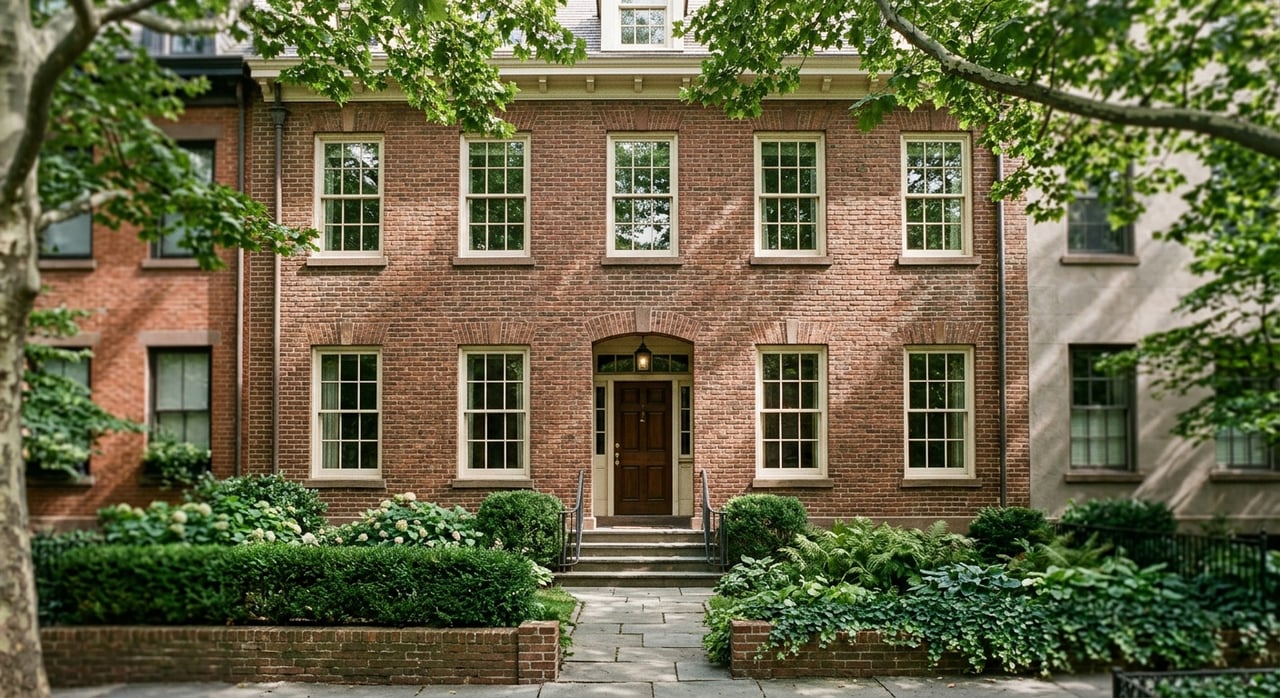
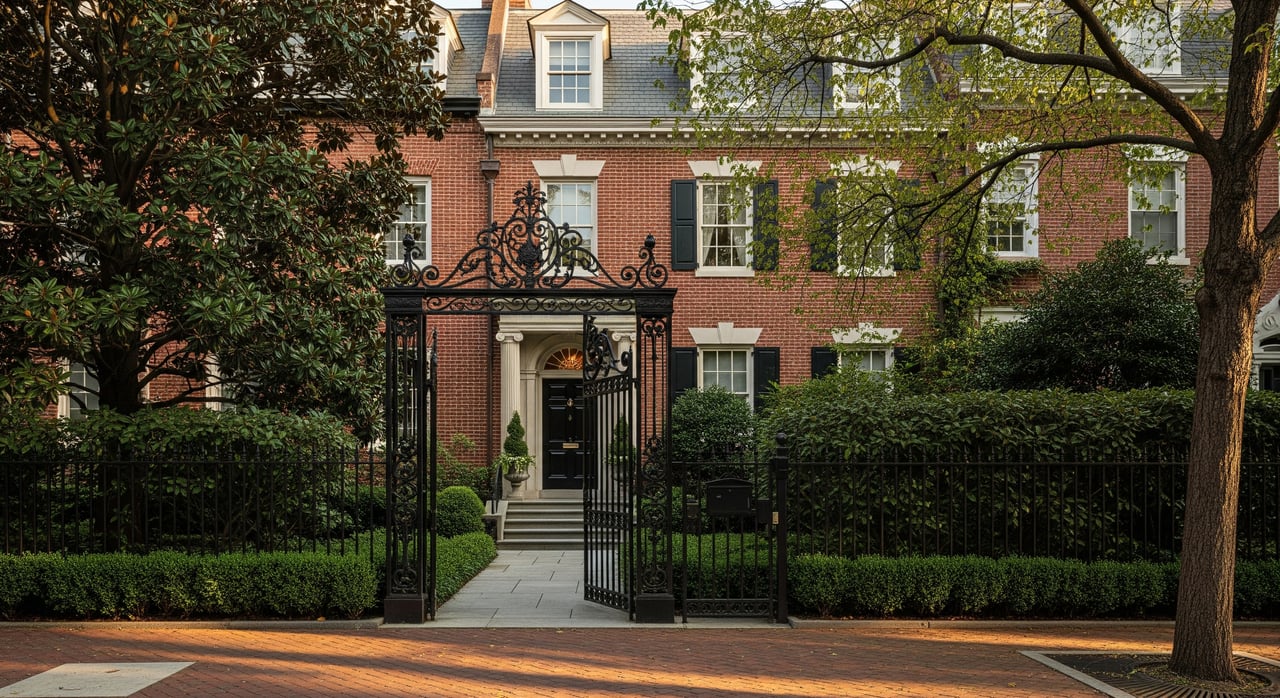
Cleveland Park is a historic, residential neighborhood in Northwest DC with a mix of detached homes, rowhouses, and condominiums, including architecturally notable properties. Parts of the neighborhood are within local or national historic districts, so exterior changes may require approvals. Inventory can be tight, and private transactions are a known part of the landscape in such established, high-demand areas.
Rules and responsibilities in DC
- MLS policies: Bright MLS is the DC region’s primary MLS. Clear cooperation–style rules generally require that if a property is publicly marketed, it must be entered into the MLS within a short window. Private marketing must follow your brokerage’s policies and MLS rules.
- Brokerage duties: Licensed agents owe fiduciary duties such as loyalty, confidentiality, and reasonable skill whether a sale is public or private. Sellers should document authorization and the marketing plan in writing.
- Fair housing: All marketing must comply with federal and DC anti-discrimination laws. Access to information cannot be restricted in a way that disadvantages protected classes.
- Disclosures and closing: DC seller disclosure requirements apply to off-market transactions. Title, transfer, and recordation taxes still apply, and a local title or settlement professional will guide exact steps.
- Historic districts: Off-market status does not change preservation rules. If a property is landmarked or within a historic district, factor potential approval timelines into your plans.
How it works for sellers
Seller workflow
- Define goals. Be clear on privacy needs, timing, price testing, and the buyer pool you want to reach.
- Choose representation. Confirm your agent’s firm policy on pocket listings and put the private marketing plan and commission terms in writing.
- Set price strategy. With limited exposure, pricing may need to be more conservative to motivate qualified buyers without a broad bidding environment.
- Launch private marketing. Expect targeted emails to agent networks, invitation-only tours, and direct outreach to specific buyer segments.
- Handle offers. You may still see multiple offers within broker networks, evaluated confidentially and on your timeline.
- Complete due diligence and closing. Inspections, title, disclosures, and settlement follow the same standards as a public sale.
Pricing and exposure
Because fewer buyers will see the property, you and your agent should review a comparative market analysis and consider a pre-listing appraisal. Align on minimum acceptable terms, including price, contingencies, and closing window. If demand is strong in private channels, you can proceed off-market. If not, you can move to a full public launch.
Negotiation and closing
Private deals are still rigorous. Buyers typically conduct inspections, lenders may require appraisal coordination, and title and recordation steps are identical to public sales. Keep timelines clear in writing and reinforce confidentiality instructions across all parties.
How it works for buyers
Access and readiness
- Work with an agent embedded in neighborhood networks and experienced with private placements.
- Secure lender preapproval or proof of funds so you can move quickly.
- Ask directly about upcoming pocket listings, probate or estate-driven opportunities, and owner outreach.
- Prepare for streamlined timelines and negotiate essential contingencies up front.
Financing and appraisal
- Lenders finance off-market purchases subject to standard underwriting.
- Limited comparable sales can complicate appraisals, so coordinate with your lender early and use the best recent neighborhood comps.
- If valuation is tight, discuss appraisal contingencies or pricing adjustments.
Due diligence
- Do not skip key inspections simply to be competitive.
- Confirm full DC seller disclosures and past permits for material renovations.
- Engage a local title company to run searches and coordinate transfer and recordation steps.
Benefits and risks at a glance
Benefits for sellers
- Privacy and a controlled showing schedule.
- Streamlined process with a focused buyer pool.
- Potentially faster path to closing.
Drawbacks for sellers
- Limited exposure can reduce price discovery and competitive pressure.
- Risk of missteps if MLS or brokerage rules are not followed.
Benefits for buyers
- Less competition and a clearer negotiation path.
- Access to unique homes that may never hit the open market.
Drawbacks for buyers
- Risk of overpaying without broad market comparison.
- Appraisal and financing challenges if comps are scarce.
- Pressure to accept faster timelines or narrowed contingencies.
Cleveland Park factors to weigh
- Historic-district oversight can affect exterior changes after purchase, so build that into your due diligence.
- The neighborhood’s mix of detached homes, rowhouses, and condos includes properties with notable architectural value. Private channels often surface these opportunities first.
- Off-market frequency varies with market conditions, so lean on your agent’s current neighborhood read before choosing a path.
Checklists you can use now
Seller checklist
- Get a written private marketing plan and authorization.
- Confirm your brokerage’s pocket-listing policy and applicable MLS rules.
- Request a comparative market analysis and consider a pre-listing appraisal.
- Review DC disclosure requirements and engage a real estate attorney if your situation is complex.
- Align on price, minimum terms, contingencies, and timeline.
Buyer checklist
- Obtain mortgage preapproval or assemble proof of funds.
- Ask your agent about their off-market track record in Cleveland Park.
- Confirm inspection rights and full title review.
- Discuss appraisal risks and your lender’s valuation approach.
- Request seller disclosures and prior permit records for major work.
Questions to ask your agent
- What is your firm’s policy on pocket listings?
- How will you ensure compliance with MLS and fair housing rules?
- Who will see the property if we market privately, and for how long?
- What timelines and negotiation norms are typical in Cleveland Park off-market deals?
- Which recent comparable sales support our price or offer strategy?
Is an off-market path right for you
If you want discretion, control, and a tailored process, an off-market strategy can be a smart fit in Cleveland Park. If your top priority is maximum exposure and price discovery, a full public launch may be wiser. The best approach is grounded in your goals, the property’s profile, and current neighborhood conditions.
For confidential guidance and a plan calibrated to your goals, connect with the Nancy Taylor Bubes Team. Our boutique advisory pairs discretion with deep neighborhood relationships to help you decide the right path.
FAQs
Are off-market listings legal in Washington, DC?
- Yes. Off-market sales are permitted, but agents must follow MLS and brokerage policies and comply with federal and DC fair housing laws.
How do Bright MLS rules affect private listings in DC?
- If a listing is publicly marketed, MLS rules generally require timely entry into the system, so truly private marketing must follow brokerage and MLS policies.
Will I risk leaving money on the table by selling off-market?
- Possibly, since limited exposure can reduce competitive bidding; weigh privacy and control against potential price discovery benefits.
Can I get a mortgage for an off-market home in Cleveland Park?
- Yes, lenders finance off-market purchases, though limited comparable sales can complicate appraisal and may require careful coordination.
How can I find off-market homes in Cleveland Park as a buyer?
- Work with a neighborhood-connected agent, secure financing, and ask about pocket listings, estate channels, and owner outreach in targeted micro-areas.
Do commission terms differ in off-market transactions?
- Commission arrangements are negotiable and depend on broker agreements; always get the terms in writing before proceeding.