Buying or selling in Logan Circle? Closing costs can be the line item that surprises you most. You want clarity before you write an offer or accept one, especially with condos and townhomes where HOA and resale-related fees can add up. In this guide, you will learn what closing costs include in Washington, DC, who typically pays what, how to estimate your number by price point, and smart ways to keep cash-to-close in check. Let’s dive in.
What closing costs include
Closing costs are the fees and taxes needed to complete the transfer of a home. They come from several buckets. Your exact total depends on your price point, financing, property type, and what you negotiate in the contract.
Buyer costs
- Lender fees and third-party loan charges. These can include application or origination, underwriting, credit report, appraisal, and any points you choose to pay. Costs vary by lender and loan program.
- Prepaids and escrows. You may prepay portions of property taxes, homeowners insurance, interest due at closing, and the initial escrow deposits your lender requires.
- Title and settlement. Expect a lender’s title insurance policy if you finance, plus title search, closing or escrow fee, and recording fees for loan documents.
- Government charges. These include mortgage-related recordation taxes and recording fees. Any buyer share of transfer or recordation taxes depends on the contract.
- Condo or HOA items. Move-in or transfer fees, resale packet costs, and any condominium capital contribution if assessed by the association.
- Inspections. Home inspection, pest inspection, or other checks as needed. Some loans require specific inspections.
- Mortgage insurance. If applicable, you may pay an upfront premium for certain loan types or private mortgage insurance.
- Owner’s title policy. Local practice varies. Confirm early whether the buyer or seller will pay.
Seller costs
- Brokerage commissions. This is often the largest seller expense. The total commission is negotiated. The seller typically pays the total, which is then split between the listing and buyer agents.
- Owner’s title insurance. Who pays can vary by local custom. Confirm with your title company or contract.
- Transfer and recordation taxes. In DC these are often negotiated between buyer and seller. Check your contract and confirm with your title company.
- Payoffs and prorations. This includes mortgage or lien payoffs, prorated property taxes or condo fees, and any utilities or adjustments through the closing date.
- Condo or HOA documents. Many sellers pay for the condominium resale packet, but this is contract dependent.
- Closing or escrow fee. This fee is often split.
DC taxes and recording basics
Washington, DC imposes transfer and recordation taxes on real estate transfers, plus recording fees for deeds and mortgages. Rates can change and can depend on factors like property type or buyer status. Responsibilities are negotiable and should be set in the contract. For exact rate tables and current rules, verify with the DC Office of Tax and Revenue and the title company handling your closing.
Transfer and recordation taxes
These are assessed when property changes hands and when documents are recorded. In many DC deals, the parties split these taxes or negotiate another arrangement. Always confirm with your title company and your contract.
Mortgage recordation
If you are financing, DC typically charges a recordation tax based on the mortgage amount. Cash buyers avoid this cost.
Recording fees
Recording fees for deeds and mortgage documents are usually modest flat fees. Your title company will include these on your itemized estimate and your Closing Disclosure.
Condo and townhome specifics in Logan Circle
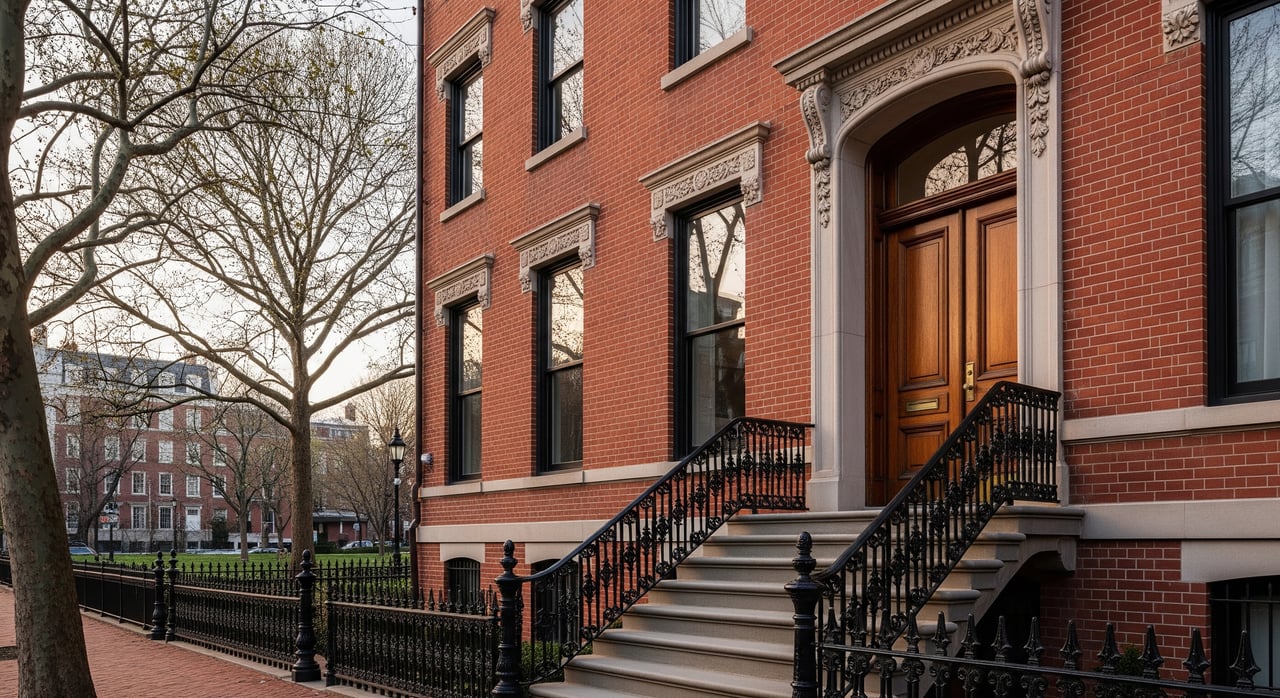
Logan Circle features a mix of boutique condominiums, converted flats, and fee-simple townhomes. That mix affects your closing line items.
Resale packets and transfer fees
Most DC condo associations require a resale certificate or disclosure packet for buyers. Providers charge for preparing these documents. In many cases, sellers pay for the packet, but it can be negotiated. Some associations also charge a transfer fee at settlement. Always request the fee schedule early to avoid surprises.
Capital contributions and move-in fees
Some associations collect a one-time capital contribution at transfer to fund reserves. There can also be scheduled move-in or elevator reservation fees for condos. These amounts vary by building. Confirm with the condo association or property manager.
Inspections and assessments
Standard home inspections, additional specialty inspections, and checks for pests are common. If your building has a special assessment, your contract will outline how that obligation is handled between buyer and seller.
Who pays what in DC
Local customs exist, but most items are negotiable. Your contract governs the final allocation.
- Broker commission. Usually paid by the seller, and the total is negotiated.
- Owner’s title insurance. Responsibility varies by local practice. Confirm early.
- Lender’s title insurance. Paid by the buyer when there is a loan.
- Transfer and recordation taxes. Frequently negotiated or split between parties. Confirm with your title company.
- Resale packet and HOA transfer fees. Often paid by the seller, but terms can vary by building and contract.
- Recording costs and filing fees. Allocated per contract and handled by the title company.
- Prorations. Property taxes and condo fees are prorated to the closing date.
How much to budget
Every transaction is different, but planning ranges help you set expectations.
- Buyers. Budget approximately 2 percent to 5 percent of the purchase price for closing costs, excluding your down payment. This range includes lender charges, title and settlement, prepaids and escrows, inspections, government recording, and possible HOA or condo fees.
- Sellers. Budget approximately 6 percent to 10 percent of the sale price. This often includes brokerage commissions, owner’s title policy if applicable, transfer or recordation taxes if you agree to pay a share, prorations, and closing or escrow fees.
Why the range is wide: lender pricing and credits vary, title insurance rates follow premium tables, taxes depend on contract allocation, and condo fees differ by association. Larger price points can show lower percentages due to tiered pricing, even though absolute dollars increase.
Illustrative examples
The following examples are for education and budgeting only. They use simple percentages to show how costs scale. Always verify your numbers with your lender, your title company, and DC OTR before you finalize a budget.
- Example A: $600,000 Logan Circle condo. Buyer closing costs at 3 percent would be about $18,000. Seller closing costs at 8 percent, including a hypothetical 6 percent commission, would be about $48,000.
- Example B: $900,000 townhome. Buyer closing costs at 3 percent would be about $27,000. Seller closing costs at 7.5 percent would be about $67,500.
- Example C: $1,500,000 luxury townhome. Buyer closing costs at 2.5 percent would be about $37,500. Seller closing costs at 7 percent would be about $105,000.
To estimate your cash-to-close, multiply your price by a realistic percentage for your situation, then add known fixed fees from your lender’s Loan Estimate and your title company’s quote.
Reduce your cash to close
You can often lower or smooth your out-of-pocket costs with a few strategies.
- Shop lenders. Compare Loan Estimates. Ask about origination options, points, and potential lender credits.
- Negotiate concessions. In some situations, a seller may agree to cover a portion of your closing costs in exchange for other favorable terms.
- Trade rate for credits. Some lenders let you choose a slightly higher rate in exchange for credits that offset closing costs.
- Request itemized title quotes early. Title and escrow fees can vary. Get a detailed estimate as soon as your offer is accepted.
- Explore assistance programs. Eligible buyers may qualify for down payment or closing-cost assistance through DC homebuyer programs. Confirm eligibility with your lender and the program administrator.
- Verify condo fees upfront. Ask for the estimated resale packet cost, transfer fee, and any capital contributions before you finalize an offer price.
Timeline and checklist
Move through the process with clear checkpoints.
- Before making an offer:
- Ask for a seller net sheet and discuss how transfer and recordation taxes are typically handled with the listing agent.
- Contact the condo or HOA for resale packet timing and fees, and ask about any pending assessments.
- After ratification:
- Obtain your lender’s Loan Estimate and a title fee quote from your local settlement company.
- Confirm the current DC transfer and recordation tax rates with your title company.
- Clarify who pays for the owner’s title policy under your contract.
- Review draft settlement statements early to avoid last-minute changes.
- At closing:
- Bring certified funds as instructed and two forms of ID.
- Review prorations and payoff statements carefully before you sign.
Logan Circle price dynamics
Logan Circle properties often trade at mid six-figure to low seven-figure price points. That raises absolute closing cost dollars even if the percentage stays within typical ranges. Financing increases costs through lender fees and mortgage recordation taxes. Paying cash can reduce your total because you avoid mortgage-related items.
Ready to plan your numbers?
Closing costs in DC are predictable once you break them into categories and confirm who pays what. If you are weighing a purchase or sale in Logan Circle, a brief conversation can align your budget with local practice and your goals. For discreet, senior-level guidance tailored to your property and timeline, connect with the Nancy Taylor Bubes Team.
FAQs
How much should a Logan Circle buyer budget for closing costs?
- Most buyers plan for 2 percent to 5 percent of the purchase price, excluding the down payment, then confirm specifics with a lender and title company.
Who pays DC transfer and recordation taxes in Logan Circle sales?
- It is negotiable and set in the contract; many DC deals split some taxes, but you should confirm your allocation with the title company.
Are Logan Circle condo resale packets expensive?
- Fees vary by building and timing, often several hundred dollars or more, and sellers commonly pay, though the contract can assign costs differently.
Can I roll closing costs into my mortgage in DC?
- Some expenses can be financed or offset by lender credits, but many third-party fees and taxes must be paid at closing.
What do I need to bring to settlement in DC?
- Bring certified funds as instructed by the title company and two forms of identification, and review your Closing Disclosure before the appointment.