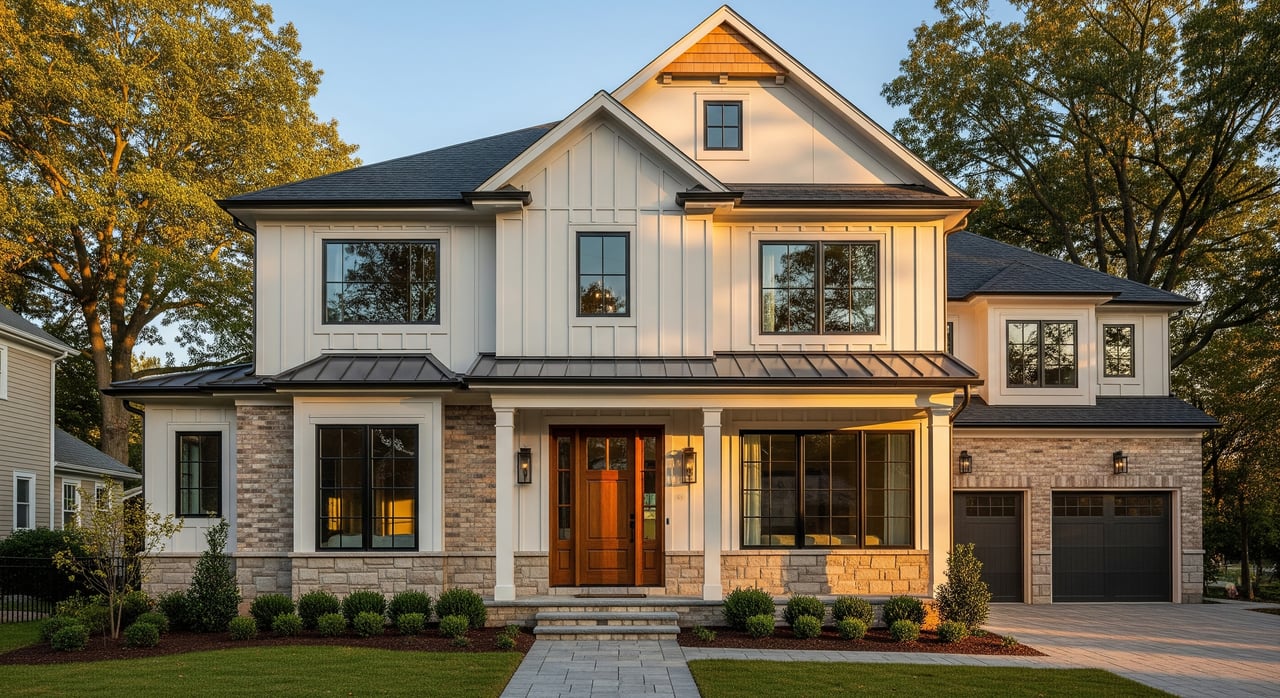
Thinking about buying a new construction home in Falls Church? You are not alone. New builds offer modern layouts, energy efficiency, and low maintenance, but they also require more due diligence than a typical resale. With the right plan, you can enjoy the benefits while protecting your investment.
This guide gives you a clear, step-by-step path tailored to Falls Church. You will learn how jurisdiction affects permits and taxes, how to vet a builder, what to negotiate in a builder contract, financing options, inspections, costs, and local resources to tap. Let’s dive in.
New construction basics in Falls Church
City vs. Fairfax County
“Falls Church” can mean two places. There is the independent City of Falls Church, and there are nearby parts of Fairfax County that use a Falls Church mailing address. Rules, fees, inspections, and taxes vary by jurisdiction. Confirm the property’s location before you rely on any local rule.
Inside the city, planning and permits run through the City of Falls Church. For county addresses, planning and zoning run through the Fairfax County Department of Planning and Development. This matters because permit timelines, inspection steps, and impact fees can differ. It also affects local services and HOA structures.
Project types you will see
You will find a mix of infill teardowns with new single-family homes, narrow-lot detached homes, townhome and stacked-flat developments along key corridors, and some larger subdivision projects farther out. Each type comes with its own permit steps, site constraints, and HOA considerations. In older neighborhoods, expect more infill activity and tight sites that require careful drainage planning.
Your step-by-step buying process
1) Search and builder selection
Start by comparing production builders and local custom builders. Verify the builder’s license and complaint history with the Virginia DPOR license lookup. Ask for recent references, local sales, and examples of warranty follow-up. Request contact info for two recent buyers so you can ask about timelines, communication, and quality.
Talk through process and scope. Learn what is included in the base price, how upgrades are priced, and what the typical build timeline looks like in Falls Church. Ask about site-specific issues such as tree preservation, stormwater control, and utility connections. These can affect cost and schedule.
2) Reservation and contract review
Most builders use their own contract. Have an experienced agent and, for complex or custom projects, a real estate attorney review it before you sign. Discuss these negotiable points:
- Deposit amount, how it is held in escrow, and when it becomes nonrefundable.
- Construction timeline with clear milestones and remedies if the builder misses dates. Some buyers seek liquidated damages for delays.
- Detailed specifications and allowances for finishes and fixtures. Clarify what is included versus upgrade options.
- Change-order rules and approval thresholds so you can control costs.
- Warranty terms, service procedures, and response times in writing.
- Dispute resolution terms, such as arbitration versus court.
Get all promises in writing, including model-home features you expect to receive. If a closing could occur before minor items are finished, consider an escrow holdback until punch list items are complete.
3) Financing and timing
You have several financing paths:
- Construction-to-permanent loan. One closing that converts to a standard mortgage at completion. The Consumer Financial Protection Bureau offers guidance on comparing loan options and disclosures.
- Two-close approach. A separate construction loan followed by your end loan at completion.
- Traditional purchase mortgage. Common with production builders who deliver finished homes.
- FHA or VA. These can work for new construction but have specific lender and appraisal requirements. Review current rules with HUD’s FHA Single Family Housing Policy Handbook and the U.S. Department of Veterans Affairs home loan resources.
Compare builder-lender incentives with independent lenders to confirm the true net benefit. Understand construction draws, inspections, and when interest or fees start. Your lender will likely use a draw schedule tied to milestones, so ask how that affects your monthly costs during the build.
4) Inspections and quality control
Municipal inspections confirm code compliance, but they are not a full quality review. Protect yourself with independent inspections at key stages:
- Pre-pour foundation, where applicable.
- Pre-drywall, while systems are still visible.
- Final inspection before closing, followed by the builder’s punch list walkthrough.
Keep written records of change orders, upgrade approvals, and selections. During the final walkthrough, ask for dates when punch list items will be completed and confirm who schedules warranty visits after move-in.
5) Closing, Certificate of Occupancy, and move-in
Before you occupy, a final municipal Certificate of Occupancy or equivalent sign-off is required. In some cases, closing may happen while minor items are pending. If so, use written commitments and, when appropriate, escrow holdbacks to motivate timely completion. If there is an HOA, collect the formation and transfer documents, budgets, and any reserve studies. Also request all equipment manuals and warranty details at closing.
Costs, taxes, and incentives
Upfront costs beyond the base price
Expect the following costs in addition to the list price:
- Lot premiums based on location and features.
- Structural options and finish upgrades. Allowances can be exceeded if you choose higher-end materials.
- Site preparation, including grading, tree removal, and erosion control on infill lots.
- Utility tap and connection fees, and stormwater improvements, which vary by jurisdiction and builder.
- Permit and inspection fees charged by the city or county.
Ask for a written options worksheet so you can track these costs early and avoid surprises.
Ongoing costs after closing
New homes are assessed on their completed value, so taxes can increase after construction. Review assessment and billing schedules with the Fairfax County Department of Tax Administration for county parcels or the City’s finance and tax resources on the City of Falls Church site for properties inside the city. If your home is part of an HOA, review projected dues and reserves, and ask about any planned special assessments.
Incentives and rebates to explore
- Builder incentives. These may include price adjustments, closing cost credits, rate buydowns, or upgrade packages.
- Energy-efficiency rebates. Utility programs can offset costs for high-efficiency equipment. Explore current options through Dominion Energy Virginia’s energy efficiency programs.
- Local tax incentives. Some redevelopment zones or programs may offer benefits. Verify availability with the city or county offices.
Run the numbers on incentives against loan terms and total project costs to confirm your true net savings.
Due diligence and risk management
Builder reputation and legal protections
Start with licensing and complaint history through the Virginia DPOR. Ask for warranty documents in writing. Many builders provide limited warranties that cover workmanship and systems for a set period, with longer structural coverage. Ask for two recent buyer references, then call to confirm delivery timelines and warranty responsiveness.
Clarify deposit rules and where your funds are held. Confirm whether deposits are refundable and under what conditions. Review any broad arbitration clauses that limit your legal remedies and discuss them with your attorney.
Site and environmental checks
For infill lots, drainage and tree preservation can be critical. Ask how the builder will manage water on site and how neighbors’ existing drainage could affect your property. Review any easements that govern stormwater systems or access. Check federal flood designations through the FEMA Flood Map Service Center and consult local floodplain data before you finalize your purchase.
Resale and market fit
New construction often carries a premium. As you choose a lot and floor plan, consider neighborhood composition, lot size, commute patterns, and parking. If there is an HOA, review any rules that could affect long-term value, such as rental restrictions or exterior modification guidelines. Think about how the home will show in five to ten years when you are the seller.
Your Falls Church new-build checklist
- Confirm jurisdiction: City of Falls Church or Fairfax County. Then pull the correct permit and inspection details from the appropriate office.
- Verify builder licensing and reputation using the Virginia DPOR database, recent references, and warranty documents.
- Have an experienced agent and, for custom builds, a real estate attorney review the contract and warranty.
- Clarify allowances, upgrade pricing, and change-order rules in writing.
- Compare financing options, including any builder-lender incentives, and confirm draw schedules and when interest begins.
- Schedule independent inspections at pre-pour, pre-drywall, and final walkthrough stages.
- Verify the Certificate of Occupancy process and that all municipal approvals will be complete before move-in.
- Review HOA documents, budgets, and reserve studies if applicable.
- Check flood maps, easements, and site drainage plans before you remove contingencies.
Next steps
Buying new construction in Falls Church can be both exciting and complex. When you take a structured approach and rely on local resources, you reduce risk and gain confidence at every step. If you want private, senior-level guidance from search through closing, the Nancy Taylor Bubes Team is here to help. Request a private consultation and we will tailor a plan for your goals.
FAQs
How do I confirm if a Falls Church address is in the city or Fairfax County?
- Check the jurisdiction with local planning offices and tax sites, starting with the City of Falls Church for city parcels or Fairfax County Planning and Development for county parcels.
What inspections should I order during construction?
- At minimum, schedule independent pre-pour (foundation), pre-drywall, and final inspections in addition to municipal code inspections.
Should I use the builder’s preferred lender?
- Compare the total cost and terms to an outside lender; incentives can be helpful but sometimes offset by higher rates or fees.
What are common new-build costs beyond the list price?
- Expect lot premiums, structural options, finish upgrades, site work, utility connections, and permit or inspection fees, which vary by jurisdiction.
How are property taxes handled on new construction?
- New homes are assessed on completed value; review schedules with the Fairfax County Department of Tax Administration or the City’s finance resources on the City of Falls Church site.
Where can I verify a builder’s license and complaint history in Virginia?
- Use the Virginia DPOR License Lookup to confirm licensing and review complaint records.
Can I use FHA or VA financing for a new build?
- Yes, with specific requirements; check current rules via HUD’s FHA handbook and VA home loan resources.
Are there energy-efficiency rebates for new homes in northern Virginia?
- Explore current programs through Dominion Energy Virginia’s energy efficiency programs and discuss federal incentives with your lender or tax advisor.