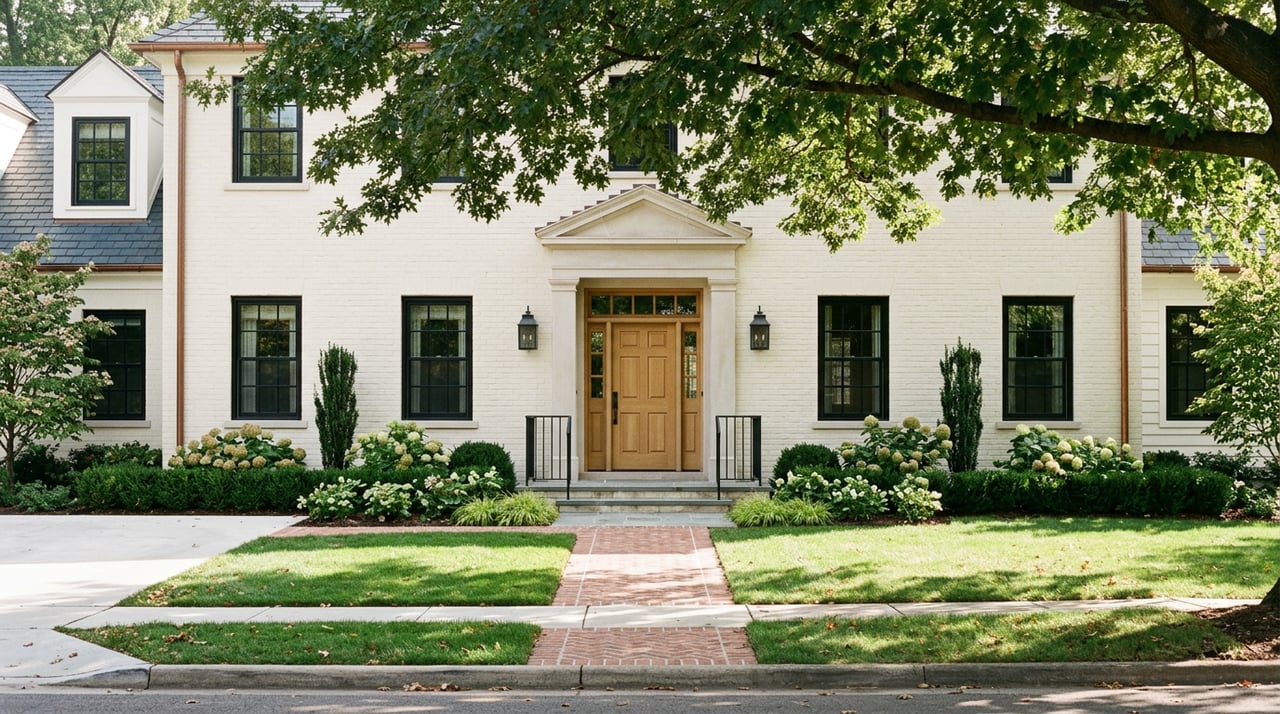
You have a clear vision for life in Bethesda, but the path might feel split: a sleek newer build or a classic estate with timeless character. Both options are compelling, and both come with tradeoffs in layout, maintenance, zoning, and resale. In this guide, you will learn how each choice lives, what it costs to steward, how local rules shape your lot, and what matters for long-term value. Let’s dive in.
Bethesda luxury market at a glance
Bethesda’s luxury segment is active, with prices that reflect strong buyer demand. The typical home value for Bethesda hovered near $1.13 million as of February 28, 2026, according to the Zillow Home Value Index, which offers a broad measure of value across the area (Zillow Bethesda market snapshot). Redfin’s Bethesda page, which tracks closed sales, shows a February 2026 median sale price around $1.505 million, a different lens focused on recent transactions (Redfin Bethesda housing data). Taken together, these snapshots help you frame pricing pressure for luxury and near-luxury single-family homes.
What you get in newer builds
Layout and systems today
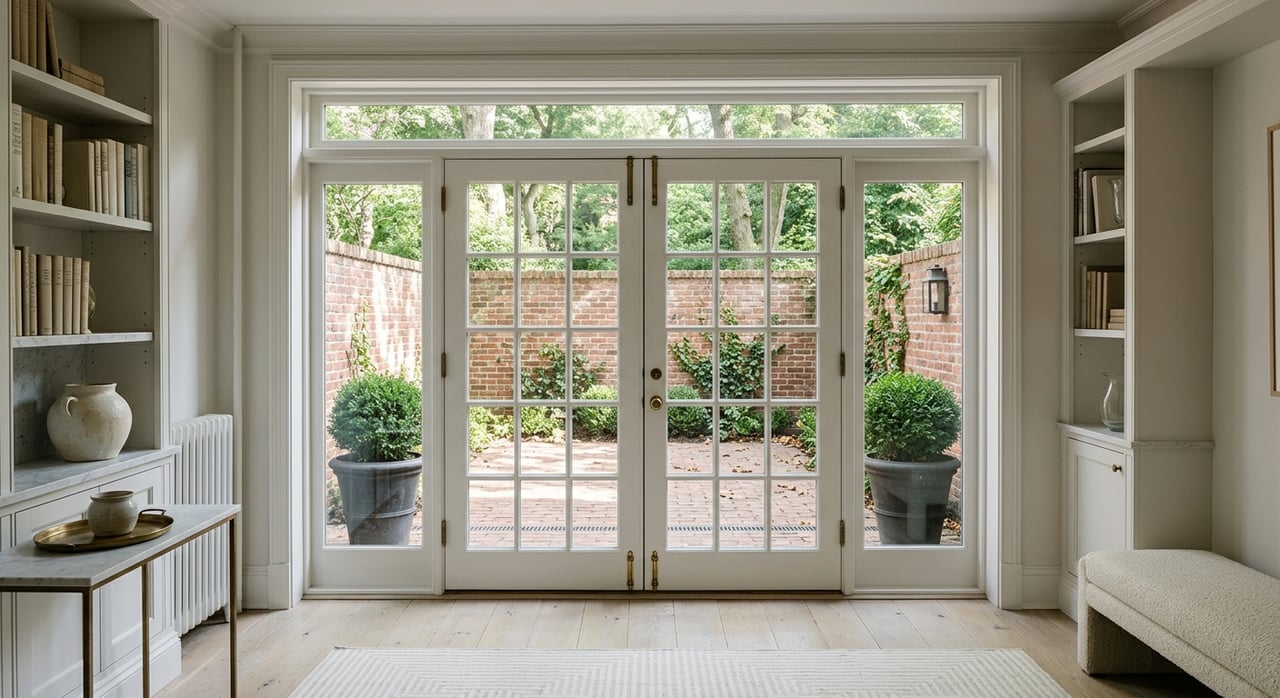
Most newer builds in Bethesda are replacement or infill homes. You often see open main levels that connect kitchen, dining, and family spaces, multiple ensuite bedrooms, and first-floor guest or flex suites. Behind the walls, you typically get high-efficiency HVAC, modern electrical capacity with EV readiness, upgraded insulation and windows, and integrated smart-home infrastructure. New construction must meet current county code standards, which are enforced through permitting and inspections (Montgomery County demolition and permitting overview).
Lot use and zoning limits
In many Bethesda neighborhoods, smaller single-family zones such as R-60 and R-90 shape the footprint and height of replacement homes, while larger-lot areas, like R-200, allow more spacious setbacks and side yards. If you are evaluating a rebuild or major addition, the zoning category determines lot coverage, setbacks, and overall scale. Always confirm a parcel’s zone and dimensional standards before assuming what you can build (Montgomery Planning zoning legend).
Buyer advantages
- Turnkey ease. Newer builds are easier to live in on day one and usually require fewer near-term capital projects.
- Modern flow. Open layouts, large kitchens, and finished lower levels fit everyday life and entertaining.
- Energy and tech. Better building envelopes and modern systems can improve comfort and efficiency.
What you get in classic estates
Architecture and setting
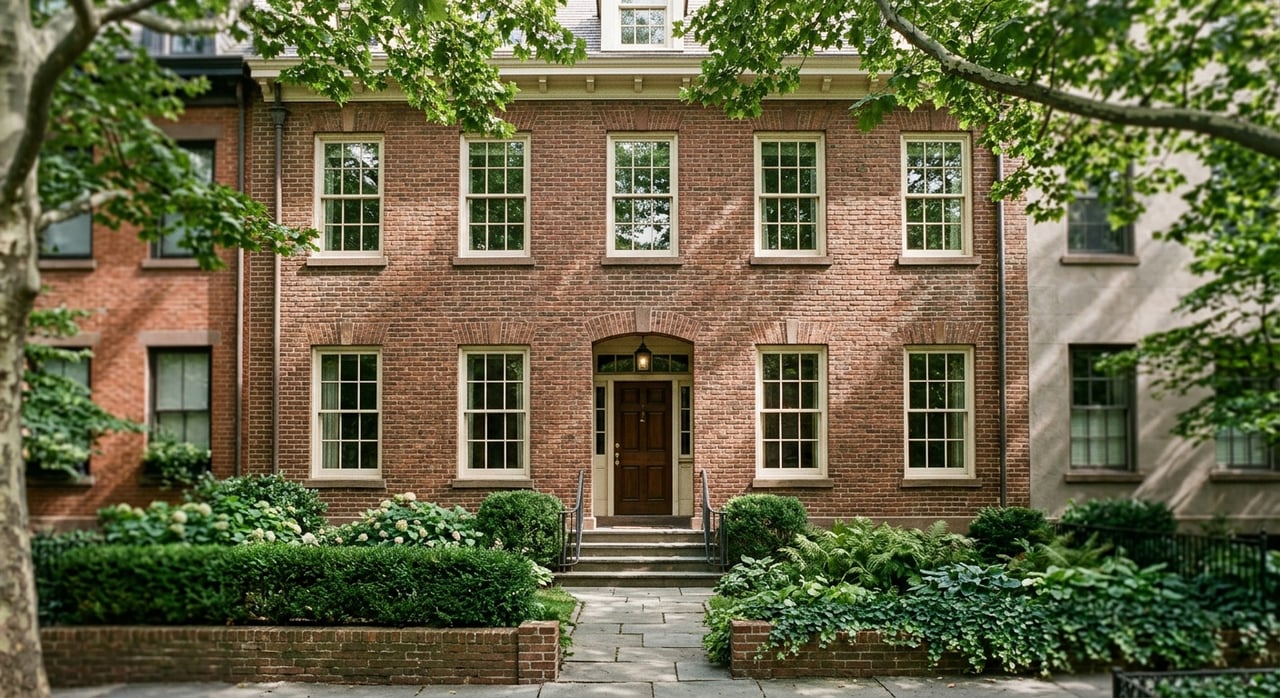
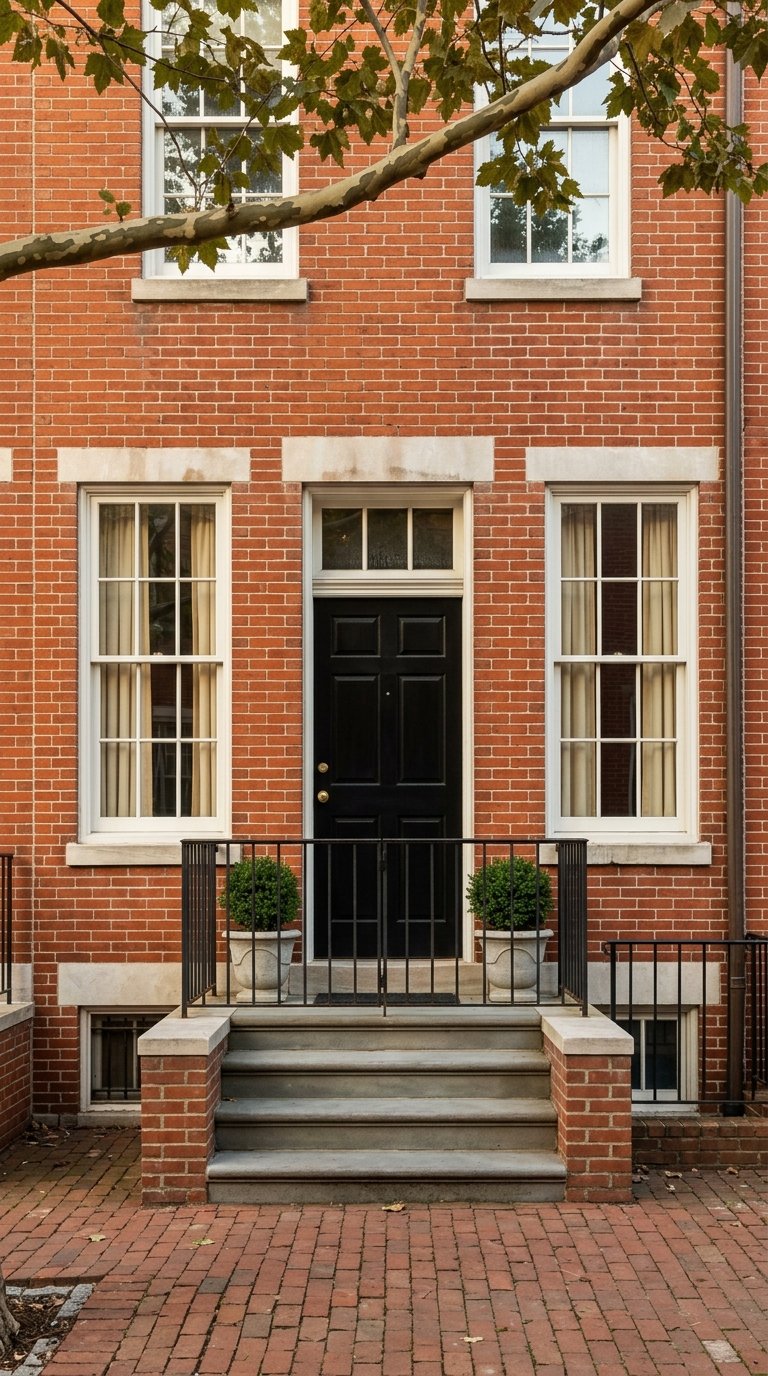
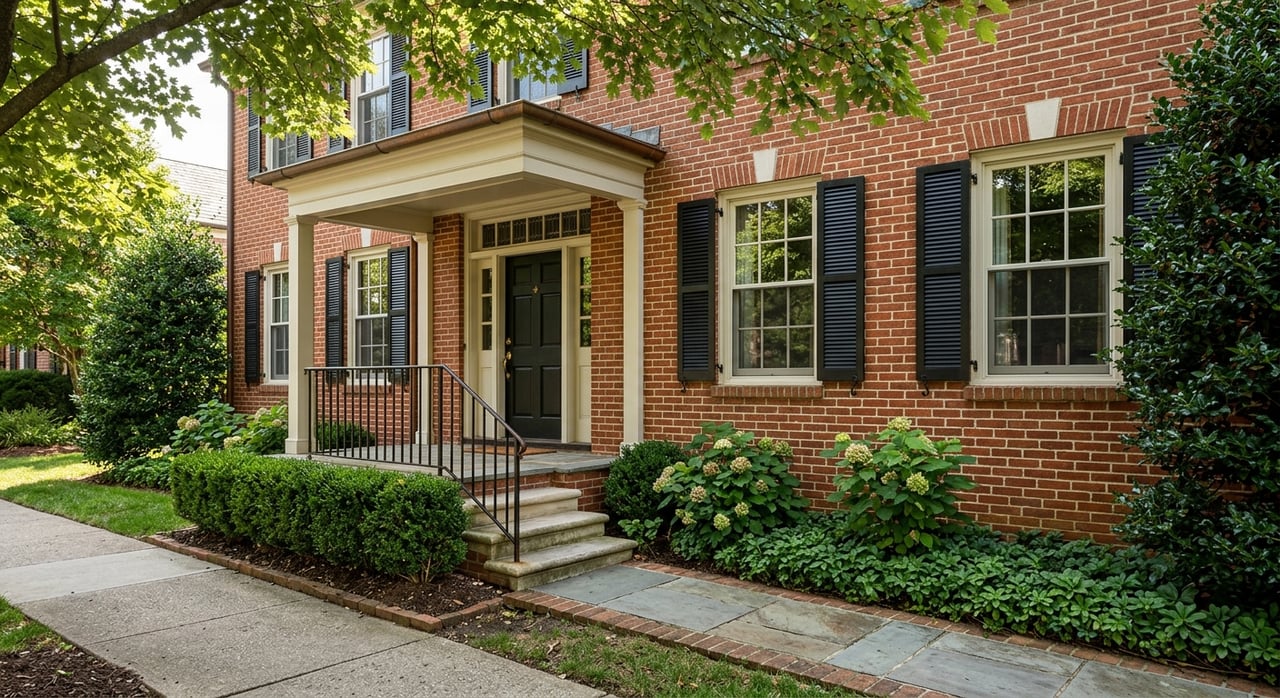
Classic estates in Bethesda often feature early to mid-20th-century architecture, mature landscaping, and larger, more private lots. You may see formal living and dining rooms, stone or brick exteriors, original millwork, and hardwoods. Many buyers prioritize the lot, tree canopy, and privacy, which can all be central to value.
Systems, hazards, and upkeep
Older homes can include aging wiring, plumbing, and mechanicals. Homes built before 1978 may include lead-based paint; renovations that disturb painted surfaces must follow federal guidance, and sellers have specific disclosure duties for pre-1978 housing (EPA lead safety guidance). Some vintage systems, like knob-and-tube wiring, can also affect insurance availability or cost until upgraded (Insuring older homes with vintage wiring). Expect periodic projects over your hold period, such as roof replacement, panel upgrades, replumbing, and window repair.
Buyer advantages
- Character and provenance. Original materials and architectural detail are difficult to replicate.
- Land and landscape. Mature trees and established gardens create presence and privacy.
- Long-view value. Distinct homes on great lots often hold appeal across market cycles.
Lot size, zoning, and lifestyle fit
Zoning categories set the tone for how a property lives outside as much as inside. Many in-town Bethesda neighborhoods fall under R-60 or R-90, which means tighter spacing and homes that often maximize the buildable envelope. Larger-lot zones such as R-200 accommodate greater setbacks, expansive lawns, and long driveways. If you want more acreage or estate-scale parcels, nearby Potomac and Chevy Chase commonly offer larger minimum-lot areas. Always review the county’s zoning legend and confirm the exact zone for any property under consideration (Montgomery Planning zoning legend).
Environmental overlays can also shape options. Lots near steep slopes or stream valleys may trigger stormwater and sediment-control approvals, while forest and tree protections can limit clearing or require mitigation plantings. Understanding these overlays early keeps surprises off your critical path (Montgomery County Forest Conservation Law overview).
Permits, teardowns, and timeline
If your plan is a raze-and-rebuild, Montgomery County requires a residential demolition permit that includes a notification period, utility cutoffs, and inspections. Depending on site complexity, expect several weeks for demolition approvals and contractor scheduling, followed by months for building permits and any required environmental reviews. A common range, from initial permit submission to move-in, is 6 to 18 months or more for complex sites (County demolition permit process).
Tree and forest rules can add design steps and costs if your project disturbs certain thresholds of land area or regulated trees. The county’s Forest Conservation Law often requires on-site planting, easements, or fees in lieu, which can shift both schedule and budget (Forest Conservation Law summary).
At the policy level, county leaders have debated whether to add impact or demolition fees to fund infrastructure and affordable housing. Teardowns have been concentrated in Bethesda, so watching these proposals helps you anticipate long-term redevelopment economics (teardown fee debate background).
Resale and investment signals
Buyers who want turnkey living often favor newer builds, while buyers who value land, privacy, and architectural character gravitate to classic estates. Nationally, most buyers still purchase existing homes rather than new construction, which supports demand for well-presented classics and renovated properties (NAR Profile of Home Buyers and Sellers highlights). In Bethesda, trends in the broader market help set pricing context. The Zillow Home Value Index and Redfin median-sale metrics, cited above for February 2026, show a strong baseline that both newer builds and classic estates can outperform when thoughtfully positioned.
For classic estates, targeted improvements often carry the best return. Strategic upgrades, such as kitchen and bath updates or system replacements that remove insurance or lending friction, can unlock value. For newer builds, condition and finishes weigh heavily, but lot quality and outdoor spaces also move the needle at resale.
Smart due diligence checklist
- Verify zoning and overlays. Confirm the property’s zone, setbacks, and any historic or environmental overlays before planning additions or a rebuild.
- Review permit history. Ask for permits, warranties, and contractor invoices for major systems and recent work. Check county records to confirm scope and sign-offs.
- Order a current survey. An updated ALTA survey will map lot lines, easements, and buildable area, which is crucial for pools, additions, and accessory structures.
- Inspect, then specialize. Start with a thorough home inspection, then add specialists for electrical, plumbing, radon, termite, structural, and lead paint testing for pre-1978 homes (see federal guidance for lead risk and disclosures) (EPA lead safety guidance).
- Assess trees and grading. Request a tree inventory and ask about any prior forest-conservation approvals. Tree removal and grading can require mitigation.
- Budget for systems. For classic estates, plan for lifecycle replacements of roofs, HVAC, panels, and piping. Note that certain legacy systems can affect insurance underwriting until upgraded (Insuring older homes with vintage wiring).
- Understand demolition steps. If considering a teardown, plan for the county’s raze-permit requirements, notifications, and any sediment-control or asbestos sign-offs (County demolition permit process).
- Confirm historic status. If a property may be historic, ask about designation, review requirements, and potential tax-credit programs. Local reporting outlines how preservation processes work in the county (historic preservation context).
Choosing between a newer build and a classic estate in Bethesda comes down to how you want to live and what you want to steward. If you prefer seamless, modern living and minimal near-term projects, a newer build may be the right fit. If you value land, trees, and craftsmanship, a classic estate can be a rewarding long-view choice. When you are ready to evaluate options privately and strategically, connect with the Nancy Taylor Bubes Team for a confidential consultation tailored to your goals.
FAQs
In Bethesda’s luxury market, is a newer build always the better buy?
- Not always; lot quality, location, and unique character often keep classic estates competitive, while newer builds appeal to buyers seeking turnkey living.
How long does a raze-and-rebuild take in Montgomery County?
- Plan for several weeks for demolition approvals, then months for building and environmental permits, with many projects running 6 to 18 months from submittal to move-in.
How do tree and forest rules affect Bethesda properties?
- Forest conservation requirements can limit clearing and add mitigation or planting costs, which can affect design, schedule, and budget.
If a home is historic in Montgomery County, can I renovate it?
- Exterior changes in designated historic contexts often require review, while many interior upgrades are possible; confirm status and guidelines early.
What inspections should I order for a classic Bethesda estate?
- Start with a general inspection, then add electrical, plumbing, structural, radon, termite, and lead testing for pre-1978 homes to clarify scope and risk.